
Introduction
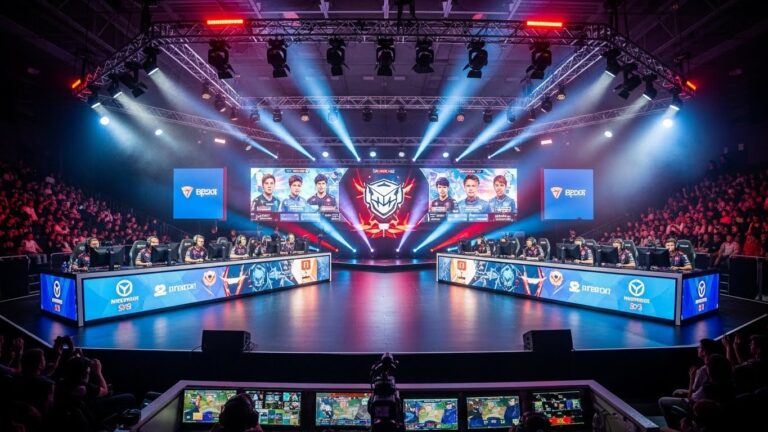
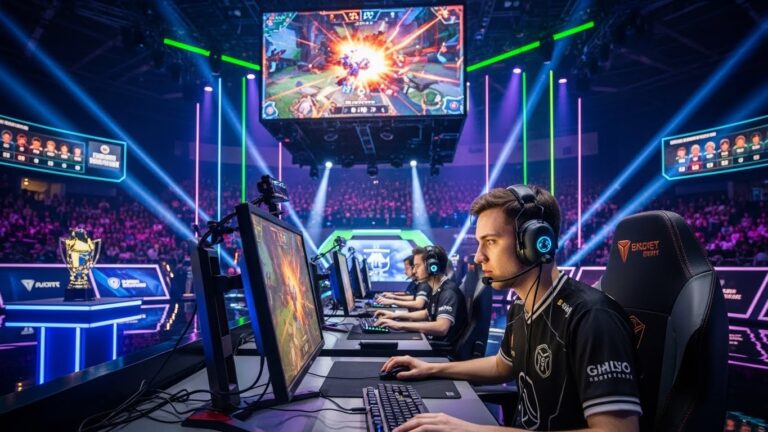
Esports, short for electronic sports, has evolved from a niche hobby into a global entertainment phenomenon. What once began as informal competitions among friends has transformed into multi-billion-dollar industry, with professional players, massive tournaments, dedicated fan bases, and a growing cultural presence across the globe. Today, esports isn’t just about playing video games; it’s about strategy, teamwork, and community, with millions tuning in to watch live streams, attend events, or even place bets on the outcome of matches.
This article will take you on a journey through the history of esports, explore the different types of competitive gaming, examine the economics and cultural impact, and look at where the industry might be headed in the future.
The Early Days of Esports
Esports has a long history, dating back to the early days of gaming itself. The roots of competitive gaming can be traced to the 1970s and 1980s when arcade games like Pong, Space Invaders, and Asteroids sparked the idea of challenging others for high scores. However, the first true esports competition began in 1972, when Stanford University hosted the “Intergalactic Spacewar Olympics” featuring the game Spacewar. It may seem modest by today’s standards, but this was the beginning of competitive gaming culture.
Throughout the late 1980s and early 1990s, the competitive gaming scene began to take shape, with titles like Street Fighter and Doom creating tournaments where players could compete for prize money or just for the thrill of victory. Doom (1993) and its sequel, Quake (1996), were instrumental in pushing esports into the mainstream, as they featured multiplayer modes that allowed players to compete against one another online, laying the foundation for the modern esports ecosystem.
The Golden Age of Esports (2000-2010)
The 2000s marked the golden age of esports, where it began to gain significant traction. One of the most important events during this period was the release of StarCraft in 1998. The game’s combination of strategy, skill, and real-time tactics made it ideal for competitive play, particularly in South Korea, where it became a national sensation. The Korean scene played a pivotal role in shaping modern esports, with television channels dedicated to broadcasting tournaments and professional leagues. StarCraft tournaments like the World Cyber Games (WCG) became global events.
As the internet became more accessible in the 2000s, online gaming exploded in popularity, leading to the formation of large-scale esports events. Games like Warcraft III, Counter-Strike, and League of Legends created vibrant competitive scenes with tournaments like the Electronic Sports World Cup (ESWC) and the World Cyber Games growing in prominence.
In 2003, the first World Cyber Games was held, an event that would become one of the biggest competitive gaming tournaments in the world. By the time the event was held in 2008, the WCG had become a massive global event, attracting thousands of participants and millions of viewers. The prize money for these tournaments, initially modest, began to rise steadily during this time, with some tournaments offering over $1 million in prizes.
One of the most defining moments in the history of esports came in 2009 with the release of League of Legends by Riot Games. This free-to-play multiplayer online battle arena (MOBA) game quickly became a cornerstone of esports, forming the foundation for one of the most lucrative esports ecosystems in the world. League of Legends still stands as one of the most popular esports titles, with its annual World Championship drawing millions of viewers.
The Explosion of Esports in the 2010s
The 2010s marked the period where esports went mainstream. It was no longer just a fringe activity for gaming enthusiasts; esports had become a legitimate career path, with sponsorship deals, dedicated media coverage, and a growing professional infrastructure. During this decade, esports saw an explosion in both viewership and revenue.
One of the biggest milestones of this era was the launch of Twitch in 2011. Originally a platform for streaming video game content, Twitch became the de facto home for esports broadcasts, allowing players and fans alike to connect in real-time. It wasn’t just about watching games; it became a hub for esports communities, where fans could watch their favorite players and teams compete in tournaments, interact with them via live chats, and get involved in the culture surrounding the games.
Esports leagues and tournaments began to take on a more professional structure in the 2010s. Games like Dota 2, Counter-Strike: Global Offensive, Hearthstone, and Overwatch each hosted huge tournaments with multi-million-dollar prize pools. Dota 2’s International tournament, for example, grew to offer the largest prize pool in esports history, surpassing $30 million in 2018.
With the increase in professional teams and organizations, esports began to mirror traditional sports in many ways. Teams had coaches, analysts, and staff; players signed contracts; sponsorships from big brands like Coca-Cola, Intel, and Red Bull flooded into the scene. Popular organizations like Team Liquid, Cloud9, and Fnatic helped further legitimize esports by establishing a professional atmosphere.
Moreover, traditional sports leagues took notice of the phenomenon, with investors from the NBA, NFL, and other major industries entering the esports market. The Overwatch League (OWL), launched in 2018 by Blizzard Entertainment, was a major step toward making esports as structured and commercialized as traditional sports leagues. The OWL created city-based teams, similar to professional sports franchises, with players signed to long-term contracts and large-scale stadium events.
The 2010s also saw a huge growth in sponsorships and partnerships between esports organizations and major brands. The involvement of these companies helped esports players and teams thrive, pushing esports into the global spotlight.
Esports and its Economic Impact
One of the most impressive aspects of esports is its rapidly growing economic ecosystem. According to industry reports, the global esports market generated over $1.1 billion in revenue in 2020, and that number is expected to continue rising. Revenue in esports comes from several sources, including sponsorships, media rights, advertising, ticket sales for live events, and merchandising.
The biggest chunk of revenue comes from sponsorships and advertising. Brands from every corner of the business world, from tech companies like Nvidia and Razer to lifestyle brands like Monster Energy and Adidas, have poured millions into esports sponsorships. For example, in 2018, Intel signed a multi-year deal with ESL, one of the largest esports event organizers, worth $100 million. These sponsorships have allowed esports to flourish, providing teams, players, and event organizers with the funding they need to thrive.
Another revenue source that has surged in popularity is media rights. As esports broadcasts become more mainstream, media companies like ESPN, TBS, and YouTube have begun airing major esports events. The value of media rights continues to grow as more fans tune in to watch these events, creating a cycle that perpetuates the industry’s growth.
Esports has also become a breeding ground for esports-related jobs. Players, of course, earn salaries, but the industry also requires coaches, analysts, broadcasters, event organizers, content creators, and social media managers. All of these professions have become integral to the esports ecosystem, creating thousands of new jobs worldwide.
The Role of Streaming and Social Media
The role of platforms like Twitch, YouTube Gaming, and Facebook Gaming cannot be understated when discussing the success of esports. These platforms have provided esports players with the ability to build personal brands and connect directly with their fan bases. Streaming has become a major source of revenue for many esports professionals, with top streamers earning money from ads, donations, subscriptions, and sponsorships.
Social media has also played a huge role in amplifying the reach of esports. Platforms like Twitter and Instagram allow teams and players to engage with their audience, keeping fans updated on events, match results, and behind-the-scenes content. Esports teams have become brands in their own right, with social media serving as a key tool for driving engagement and attracting new fans.
The rise of social media and streaming platforms has made it easier than ever for people to discover esports and become part of the community. This has contributed to the steady growth of esports’ fan base, which continues to expand into new regions and demographics.
The Global Impact of Esports
Esports is not just a phenomenon in North America and Europe. Its impact is felt worldwide. In South Korea, esports is regarded as a legitimate career path, with games like StarCraft and League of Legends being broadcast on national television and attracting millions of viewers. China is also a major player in the esports industry, with Honor of Kings becoming one of the most popular mobile games in the world.
Other regions, like Southeast Asia, Latin America, and the Middle East, have also seen an explosion in esports participation and viewership. These regions have their own unique esports cultures, with local games, tournaments, and teams leading the charge.
Esports’ global appeal has resulted in major international tournaments, such as the League of Legends World Championship, The International (Dota 2), and the Fortnite World Cup, which attract players and fans from all over the world. These events are not only massive spectacles but also showcase the cultural exchange that esports fosters, as fans from different countries come together to celebrate their shared love for gaming.
The Future of Esports
Looking ahead, the future of esports seems incredibly bright. The industry is expected to continue growing at an exponential rate, with some estimates predicting it could reach $1.5 billion in revenue by 2023. Esports has already made its way into the mainstream, but its full potential is far from being realized.
One area where esports is poised to make a significant impact is in education. Some schools and universities are now offering esports scholarships, and many institutions are creating esports programs that offer students the opportunity to develop their gaming skills while pursuing their academic goals. Esports is also making its way into the Olympics, with discussions underway about potentially including esports as an official Olympic event.
Moreover, the rise of virtual reality (VR) and augmented reality (AR) could take esports to new heights. As these technologies develop, they could lead to more immersive gaming experiences and create new opportunities for esports players and fans alike.
Esports could also become even more integrated into the fabric of traditional sports. Already, traditional sports teams are investing heavily in esports, with major franchises like the NBA’s Dallas Mavericks and the NFL’s New England Patriots buying into esports teams. Over the next decade, esports could become a major part of the sports ecosystem, with potential crossovers in fan engagement, sponsorships, and broadcasting.
Conclusion
Esports has come a long way since its humble beginnings. From the early days of arcade games and local competitions to the billion-dollar industry we see today, esports has captured the imagination of millions of fans around the world. With its explosive growth, increasing media attention, and dedicated fan base, esports is poised to continue its ascent into the mainstream entertainment industry.
As esports continues to evolve, there’s no telling just how far it will go. What is certain is that esports is here to stay, and it will remain a vibrant and exciting part of the global entertainment landscape for years to come.
About the Author