Introduction: The Rise of a Digital Arena
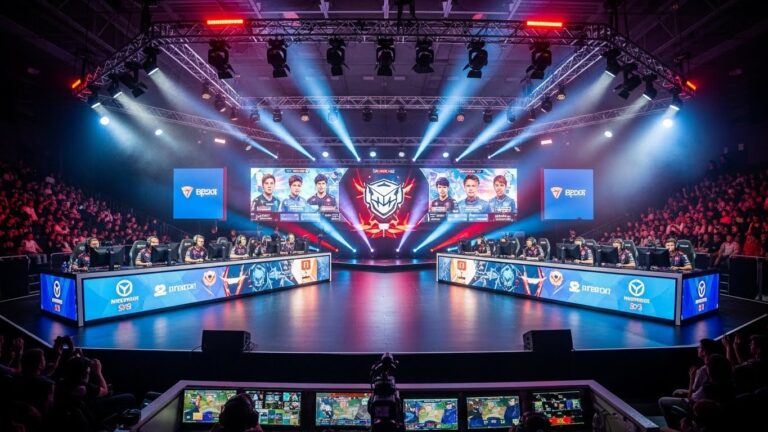
Once dismissed as a pastime for hobbyists, esports has evolved into a global phenomenon that rivals traditional sports in viewership, revenue, and cultural impact. Competitive gaming is no longer confined to bedrooms or internet cafés. It now fills massive arenas, commands millions of online viewers, and offers professional players careers that were unimaginable just two decades ago. Esports stands at the intersection of technology, entertainment, and human ambition, reshaping how competition is experienced in the modern age.
This blog explores the world of esports in depth, examining its origins, growth, ecosystem, cultural influence, and future potential. Far from being a trend, esports represents a fundamental shift in how people play, watch, and engage with competition.
The Origins of Esports: From Arcades to Global Stages
The roots of esports can be traced back to the early days of video gaming, when players competed for high scores in arcades. Informal competitions gradually evolved into organized tournaments as gaming technology advanced and home consoles became widespread. Early competitive games fostered communities that valued skill, strategy, and mastery.
The expansion of the internet was a turning point. Online multiplayer games allowed players from different regions to compete in real time, laying the groundwork for structured leagues and international tournaments. As streaming technology improved, spectatorship became central to the esports experience, transforming private matches into public spectacles.
What Defines Esports as a Sport
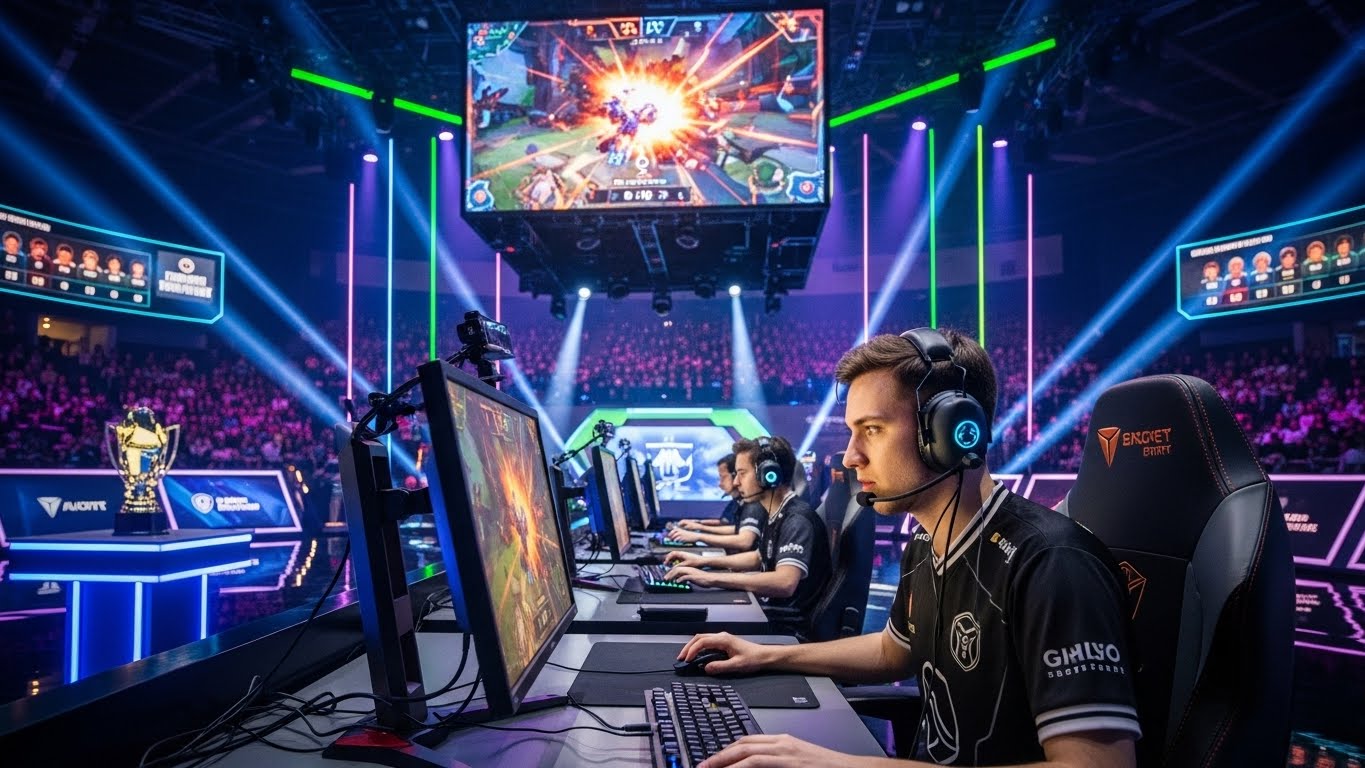
A common debate surrounding esports is whether it qualifies as a sport. While esports may not involve traditional physical exertion, it shares many defining characteristics of conventional sports. Professional players train for hours each day, honing reflexes, decision-making, and teamwork. Competitive integrity, rule sets, officiating, and structured leagues mirror established athletic systems.
Mental endurance plays a crucial role in esports performance. Players must maintain focus under pressure, adapt strategies in real time, and coordinate with teammates at an elite level. These demands position esports as a test of cognitive and psychological skill, expanding the definition of athletic competition for a digital era.
The Esports Ecosystem: More Than Just Players
Esports is supported by a complex ecosystem that extends far beyond the competitors themselves. Teams employ coaches, analysts, managers, psychologists, and fitness trainers to optimize performance. Tournament organizers handle logistics, production, and broadcasting, ensuring professional standards for live and online audiences.
Content creators, commentators, and streamers contribute to the narrative and entertainment value of esports. Their personalities help humanize players and make games accessible to broader audiences. Sponsors and advertisers fuel financial growth, recognizing esports as a powerful channel to reach younger, digitally native demographics.
Popular Esports Genres and Their Appeal
Esports encompasses a wide range of game genres, each attracting different audiences and skill sets. Strategy-based games reward long-term planning and tactical thinking. Shooter games emphasize precision, reaction time, and team coordination. Sports simulations blend traditional athletic concepts with digital mechanics, while fighting games focus on timing, prediction, and mastery of complex systems.
This diversity allows esports to appeal to varied interests and cultures. Fans often develop deep loyalty to specific games, teams, or players, creating passionate communities that rival those of traditional sports franchises.
The Role of Streaming and Fan Engagement
Streaming platforms have been instrumental in esports growth, enabling fans to watch matches live, interact with players, and participate in global conversations. Unlike traditional sports broadcasts, esports streams often feature real-time chat, fostering a sense of community and shared experience.
Fan engagement extends beyond watching matches. Viewers analyze gameplay, discuss strategies, create fan art, and support their favorite teams through merchandise and subscriptions. This interactive culture strengthens emotional investment and blurs the line between spectator and participant.
Esports as a Career Path
One of the most transformative aspects of esports is its potential as a career. Professional players can earn income through salaries, prize winnings, sponsorships, and content creation. While only a small percentage reach the highest competitive levels, many other roles support the industry.
Careers in coaching, broadcasting, event management, marketing, game development, and analytics are increasingly common. Educational institutions have begun offering esports programs and scholarships, legitimizing competitive gaming as a viable professional pursuit.
Challenges Facing the Esports Industry
Despite its success, esports faces significant challenges. Player burnout is a growing concern, driven by intense training schedules and high expectations. Career longevity can be short, making financial planning and post-competition transitions critical issues.
Regulation and governance also remain fragmented. Different games operate under separate rules and organizations, complicating standardization and dispute resolution. Issues such as cheating, match-fixing, and fair labor practices require ongoing attention to ensure long-term credibility and sustainability.
Cultural Impact and Global Influence
Esports has become a cultural force, influencing fashion, music, language, and social interaction. Gaming culture now shapes mainstream entertainment, with esports athletes achieving celebrity status and influencing trends beyond the digital world.
International competitions foster cross-cultural exchange, bringing together players and fans from diverse backgrounds. Esports transcends language barriers through shared gameplay experiences, creating a global community united by competition and creativity.
Technology and Innovation in Esports
Technological advancement continues to drive esports forward. Improvements in hardware, software, and connectivity enhance competitive integrity and viewing quality. Data analytics and artificial intelligence are increasingly used to analyze performance, refine strategies, and improve training methods.
Virtual and augmented reality may further transform esports, offering immersive experiences for players and spectators alike. As technology evolves, esports will likely continue pushing the boundaries of what competitive entertainment can be.
The Future of Esports
The future of esports appears promising, with continued growth in audience size, investment, and institutional recognition. As generational shifts occur, digital-native audiences will further normalize esports as a mainstream form of competition.
Collaboration between traditional sports organizations and esports entities is expected to increase, blending physical and digital competition. With thoughtful governance, player support, and technological innovation, esports has the potential to become one of the defining cultural institutions of the twenty-first century.
Conclusion: A New Era of Competition
Esports is more than a collection of video games played at a high level. It is a dynamic, evolving ecosystem that reflects broader changes in technology, media, and society. By redefining what competition looks like in a digital world, esports challenges traditional assumptions and opens new possibilities for participation, entertainment, and professional achievement.
As the industry matures, its influence will continue to expand, shaping how future generations understand sport, community, and excellence. Esports is not replacing traditional competition; it is expanding the arena, proving that human skill and passion can thrive both on the field and beyond the screen.
About the Author