
Introduction
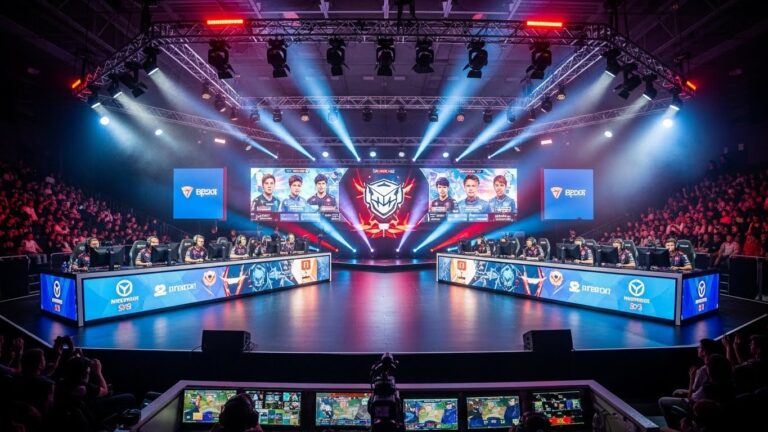
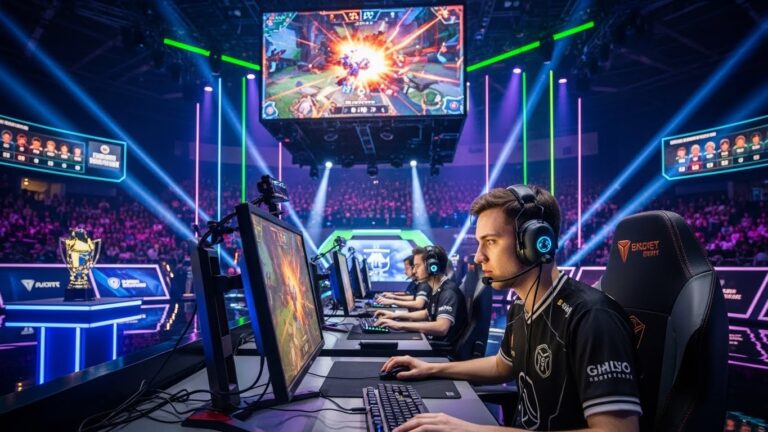
Esports has come a long way from its humble beginnings in the early days of video gaming. Once a niche hobby, competitive gaming has now blossomed into a global phenomenon that commands millions of viewers, huge sponsorship deals, and professional leagues across the world. Esports events are now broadcast on major platforms, live-streamed on social media, and even featured in mainstream media outlets. From small-scale local tournaments to massive international championships with multi-million-dollar prize pools, esports is no longer just for gamers. It has evolved into a mainstream entertainment industry that attracts attention from all corners of the globe.
In this blog, we’ll explore the meteoric rise of esports, the factors contributing to its global success, and how it is transforming the world of competitive sports and digital entertainment. We will also examine the careers it has created, the business opportunities it offers, and what the future holds for competitive gaming.
The Early Days: From Arcade Games to Professional Tournaments
The origins of esports date back to the late 20th century, when video gaming began to grow beyond single-player experiences. The first competitive gaming events were small, informal gatherings where players would compete against each other in games like Pong or Space Invaders. However, it wasn’t until the early 1990s that competitive gaming began to take on a more structured form.
Games like Street Fighter II and Doom became popular choices for tournaments. At this time, local competitions were held in arcades, where players could compete for high scores and bragging rights. The Cyberathlete Professional League (CPL), founded in 1997, is often regarded as the first true esports league, offering organized tournaments for competitive players.
As technology advanced, the internet allowed players to compete with others across the world. This brought new opportunities for larger, more organized competitions. By the early 2000s, games like StarCraft and Warcraft III had become staples of competitive gaming, particularly in South Korea. South Korea’s development of professional gaming leagues, such as the Korean e-Sports Association, and the rise of TV broadcasts for esports events helped lay the groundwork for esports as we know it today.
The Growth of Online Streaming and Global Reach
The real turning point for esports came with the rise of online streaming platforms in the mid-2000s. Twitch, which launched in 2011, revolutionized how fans could watch and interact with esports. Twitch quickly became the go-to platform for live streaming esports events, with players, teams, and even casual gamers streaming their gameplay for millions of viewers. This interaction between players and fans helped create a more immersive, community-driven experience that made esports feel more accessible and personal.
Through live-streaming, esports broke down geographical barriers. Fans no longer had to attend events in person; they could watch from anywhere in the world on their computers, smartphones, or smart TVs. The instant availability of content combined with the ability for players to communicate directly with their audiences helped boost esports’ popularity, especially among younger demographics who were already comfortable with digital media.
In parallel to Twitch, YouTube Gaming, Facebook Gaming, and other streaming platforms also gained traction, further fueling the growth of esports. As the technology improved, more viewers flocked to these platforms to watch their favorite players and teams compete. The accessibility of streaming platforms helped propel esports into the global spotlight, creating millions of fans worldwide and transforming esports into a legitimate entertainment industry.
The Rise of Professional Esports Leagues
As esports grew in popularity, so did the level of professionalism within the industry. The early days of gaming tournaments were often informal, with prize pools that were modest at best. However, by the mid-2010s, esports saw a shift toward more structured, league-based competition. Esports leagues began to model themselves after traditional sports leagues, offering salaried players, coaches, and support staff, as well as a regular season of play.
Games like League of Legends, Overwatch, and Dota 2 led the charge in creating professional leagues with global reach. The League of Legends Championship Series (LCS), launched in 2013, introduced the concept of regional leagues and promoted top teams to international events like the League of Legends World Championship. These tournaments, which offer prize pools of several million dollars, became major events in the esports calendar, attracting sponsorships, media coverage, and a global fanbase.
The Overwatch League (OWL), launched in 2018, took this model even further by introducing city-based teams, much like traditional sports leagues such as the NBA or NFL. OWL teams represent cities around the world, creating a new level of competition and fan engagement. Similarly, The International, an annual Dota 2 tournament, boasts the largest prize pool in esports history, often exceeding $30 million, making it one of the richest sporting events in the world.
The Impact of Esports on Gaming Culture
Esports has become deeply intertwined with modern gaming culture. The competitive nature of esports has influenced how players approach games. Casual gaming experiences are often enriched by competitive elements, with leaderboards, rankings, and tournaments available in many titles. Games like Fortnite, PUBG, and Apex Legends have brought the esports mindset to mainstream gaming, where casual players can compete in tournaments and events for cash prizes and prestige.
Beyond competition, esports has created a unique sense of community. Esports fans and players often form tight-knit groups based around games, teams, and streamers. Social media platforms like Twitter, Reddit, and Discord play an important role in creating communities where fans can interact with each other and with professional players. These platforms allow fans to discuss strategies, share content, and engage with their favorite esports figures.
Furthermore, the rise of esports personalities has added another dimension to gaming culture. Professional gamers and streamers like Ninja, Shroud, and Pokimane have built massive followings, becoming influencers in their own right. Their success has opened up new career paths for gamers and content creators, and has helped shift public perception of gaming from a solitary hobby to a legitimate and respected career choice.
Sponsorships, Branding, and the Business of Esports
Esports has become a highly profitable industry, attracting sponsorships from major global brands and investors. Companies like Coca-Cola, Intel, Mercedes-Benz, and Red Bull have all recognized the power of esports as a marketing tool. These brands not only sponsor events and tournaments but also team up with players and organizations to create exclusive content and experiences for fans.
Esports organizations and teams have become brand entities in themselves, with their own merchandise, fan clubs, and sponsorships. Some top-tier teams have lucrative partnerships with tech companies, apparel brands, and even energy drink companies. With large audiences across multiple digital platforms, esports offers unparalleled exposure and opportunities for sponsors to reach younger, tech-savvy demographics.
The business model of esports goes beyond sponsorships. Many esports organizations operate in much the same way as traditional sports teams, with players signed to long-term contracts, coaches, analysts, and other support staff. With massive global audiences watching live broadcasts of esports tournaments, teams can generate significant revenue from broadcasting rights, ticket sales, and online subscriptions. The growth of esports has also led to the creation of esports arenas and stadiums where major events are held, further cementing esports as a legitimate entertainment form.
The Future of Esports: What’s Next?
Looking to the future, the world of esports is only going to continue growing. As more games are developed with esports in mind, the landscape of competitive gaming will become even more diverse. Games like Valorant and Rocket League are already gaining traction, and there’s no shortage of new titles that could become the next big esports sensation.
One of the biggest trends on the horizon is the continued integration of esports with traditional sports. Major sports organizations are beginning to see esports as an opportunity to expand their brand and reach new audiences. For example, the NBA 2K League, which launched in 2018, allows professional basketball teams to compete in a virtual environment, representing their respective franchises in the world of esports.
The rise of mobile esports is another major trend. As mobile gaming becomes more popular worldwide, mobile esports is expected to explode in markets like Southeast Asia and Latin America. Games like Mobile Legends, Clash Royale, and PUBG Mobile are already gaining large followings, and the mobile esports scene is rapidly growing.
Furthermore, advancements in virtual reality and augmented reality have the potential to revolutionize how esports events are experienced. Imagine watching an esports tournament from a first-person perspective in VR, where you’re sitting in the crowd, feeling the excitement of the arena as if you were actually there.
Conclusion
Esports has evolved from a small community of passionate gamers to a global entertainment powerhouse. What started as a simple hobby has become an industry worth billions of dollars, with millions of fans and players worldwide. Competitive gaming has shifted into the mainstream, with professional players, massive tournaments, and sponsorship deals changing the landscape of both sports and entertainment.
As esports continues to grow, it is poised to further integrate with mainstream media, culture, and technology, reaching new audiences and inspiring the next generation of gamers and fans. Whether you’re a hardcore competitor, a casual fan, or someone who’s just discovering the world of esports, there’s no denying that competitive gaming has a bright future ahead. The explosion of esports has only just begun, and we can only imagine where it will take us next.
About the Author