Introduction
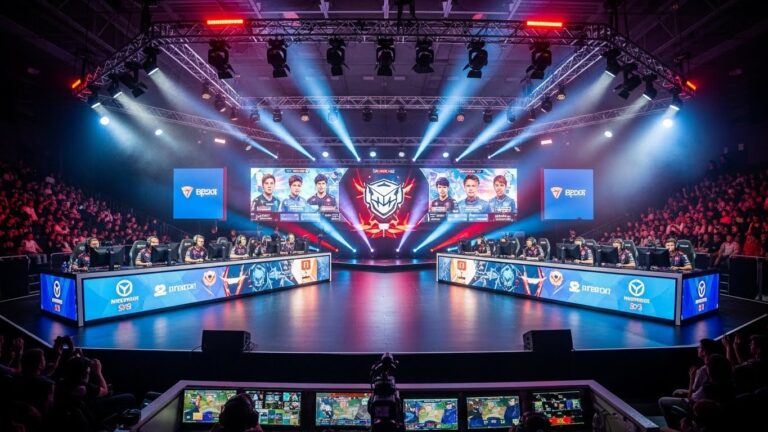
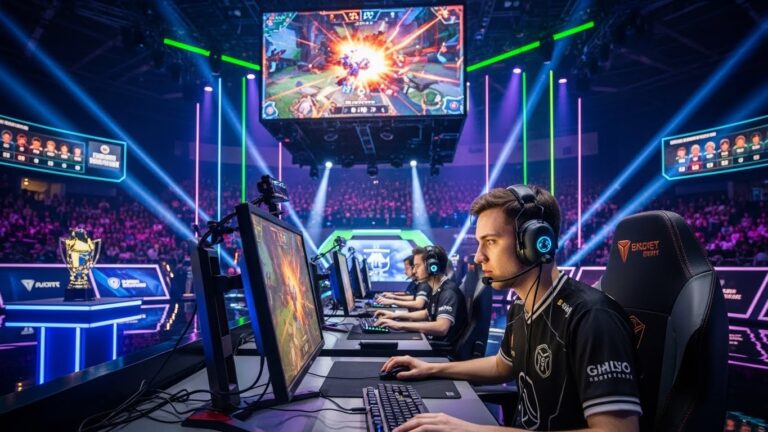
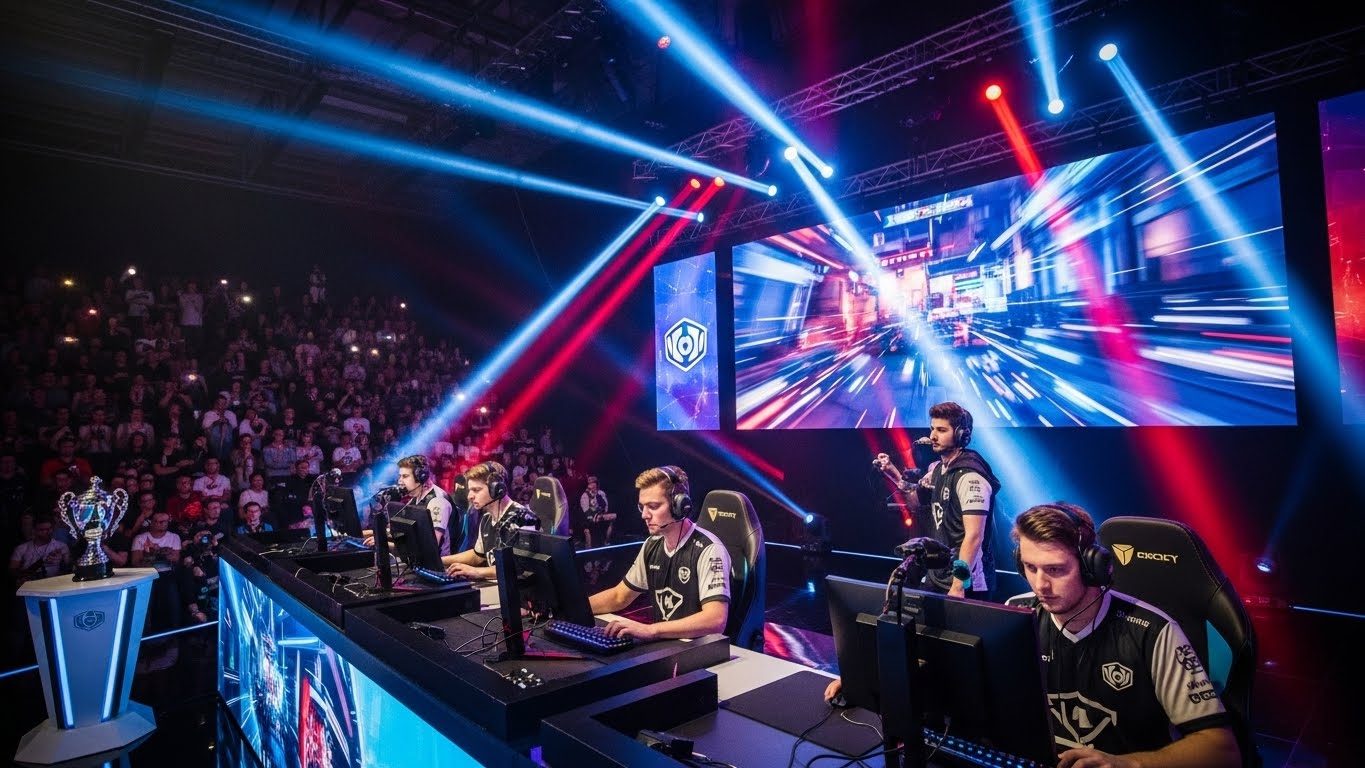
Over the past decade, esports has transformed from a niche hobby into a global phenomenon, captivating millions of fans worldwide. Competitive gaming, once relegated to basements and small online communities, now commands packed arenas, multi-million-dollar sponsorships, and recognition as a legitimate professional sport. This shift reflects broader changes in technology, media consumption, and the definition of athleticism in the 21st century. In this article, we will explore the history, growth, economic impact, challenges, and future of esports.
The Origins of Esports
The roots of esports trace back to the early days of arcade gaming and local video game competitions in the 1980s and 1990s. Classic games like Pac-Man, Street Fighter, and Mortal Kombat saw players competing for high scores and small prizes. The advent of home consoles and personal computers expanded the competitive landscape, leading to tournaments like the Nintendo World Championships in the early 1990s. However, esports as we know it began to take shape with the rise of multiplayer games and internet connectivity, which allowed players across the globe to compete in real time.
The Explosion of Online Multiplayer Games
The early 2000s marked a pivotal period for esports with the emergence of online multiplayer games such as Counter-Strike, StarCraft, and Warcraft III. These games not only emphasized skill, strategy, and teamwork but also fostered communities around them. Online platforms and forums allowed players to connect, organize tournaments, and discuss strategies, creating the foundation for a thriving competitive ecosystem. Games like StarCraft in South Korea became more than entertainment; they evolved into national pastimes, with professional players attaining celebrity status and securing lucrative sponsorship deals.
The Role of Streaming Platforms
A critical factor in esports’ growth has been the rise of live streaming platforms. Platforms dedicated to gaming, such as Twitch and YouTube Gaming, have revolutionized the way fans consume content. Spectators can now watch live tournaments, follow favorite players, and engage in real-time discussions with communities worldwide. Streaming has turned esports athletes into influencers, with some players attracting millions of followers and generating income from subscriptions, donations, and sponsorships. This visibility has further legitimized esports, making it a career path that was once unimaginable.
Professionalization and Career Opportunities
Esports has developed a professional structure similar to traditional sports, with teams, coaches, analysts, and management staff. Professional players train rigorously, often dedicating eight to twelve hours a day to practice, strategy development, and physical fitness. Competitive leagues now offer salaries, health benefits, and structured contracts, reflecting the growing seriousness of the industry. Beyond playing professionally, esports has created career opportunities in event management, content creation, marketing, game development, and broadcasting, demonstrating its multi-faceted economic potential.
Economic Impact of Esports
The financial scale of esports is staggering. Revenue streams come from tournament prize pools, sponsorships, merchandise, streaming subscriptions, advertising, and media rights. Major tournaments often feature prize pools exceeding millions of dollars, attracting international attention. Sponsors, including major tech companies, apparel brands, and energy drinks, invest heavily in esports, seeing it as a direct way to reach younger, digitally-native audiences. Moreover, esports tourism is emerging, with fans traveling to live events, further stimulating local economies. Analysts predict that esports revenues will continue to grow exponentially, cementing its place as a major entertainment industry.
Cultural Influence and Global Reach
Esports has not only changed how people play and watch games but also influenced broader culture. Esports celebrities have become trendsetters in fashion, music, and lifestyle, bridging the gap between gaming and mainstream entertainment. Events are broadcast globally, with fans from different countries cheering for international teams, creating a shared cultural experience. The rise of esports has also promoted inclusivity, allowing people of all genders, backgrounds, and ages to participate competitively. This global reach has fostered cross-cultural exchanges and collaborations, further solidifying esports as a worldwide phenomenon.
Challenges Facing the Esports Industry
Despite its rapid growth, esports faces significant challenges. One pressing issue is mental and physical health; the intense training schedules can lead to burnout, stress, and repetitive strain injuries. Additionally, the industry grapples with inconsistent regulation, player exploitation, and lack of standardized career longevity. Sponsorship dependency also raises concerns, as the industry’s financial stability can fluctuate with market trends. Moreover, while esports has made strides in inclusivity, gender disparity and toxicity within online communities remain ongoing challenges. Addressing these issues is critical to ensuring the sustainable growth of the industry.
The Future of Esports
The future of esports looks promising, with technological advancements likely to enhance the competitive experience. Virtual reality, augmented reality, and artificial intelligence are poised to create new game genres and immersive viewing experiences. Traditional sports organizations are increasingly investing in esports teams, recognizing its potential to engage younger audiences. Educational institutions are also integrating esports programs, offering scholarships and professional training pathways. As esports continues to mature, it may become further recognized as a legitimate form of competition, on par with traditional sports, in terms of skill, strategy, and entertainment value.
Conclusion
Esports has evolved from a niche pastime to a global entertainment powerhouse, reshaping how we perceive competition, entertainment, and professional gaming. Its growth has been fueled by technological advancements, online connectivity, and cultural acceptance, creating opportunities for players, fans, and businesses alike. While challenges remain, the industry’s potential is immense, promising new experiences and opportunities for generations to come. Esports is not just a passing trend; it is a defining feature of modern digital culture, heralding a new era where gaming and competition coexist on a global stage.
About the Author