Introduction: The Evolution of Competitive Gaming
In the past decade, esports has transformed from a niche hobby into a global entertainment powerhouse. What was once confined to living rooms and small LAN parties has now become a multi-billion-dollar industry with professional players, sponsorship deals, and stadium-filling tournaments. The rise of esports is a testament to how technology and human creativity can converge to create entirely new forms of competition and entertainment. Unlike traditional sports, esports offers accessibility and innovation, allowing anyone with a gaming console or PC to participate in a world that blurs the line between sport, culture, and digital art.
Understanding Esports: More Than Just Gaming
Esports, short for electronic sports, is competitive video gaming where players or teams compete in various games at professional or amateur levels. Unlike casual gaming, esports focuses on strategy, skill, and teamwork. Popular titles like League of Legends, Dota 2, Counter-Strike, and Fortnite have become household names, each with its own dedicated fanbase and tournament ecosystem. At its core, esports combines elements of traditional sports such as competition, coaching, and audience engagement but enhances them with interactive digital experiences.
Competitive gaming demands not only quick reflexes but also strategic thinking and effective communication. Professional teams spend countless hours training, studying opponents, and refining strategies. It is this level of dedication that has helped esports earn respect as a legitimate competitive field rather than a pastime.
The Growth of the Esports Industry
The esports industry has grown exponentially over the past few years. Market analysis shows that revenue from esports now spans advertising, sponsorships, media rights, and merchandising, creating an ecosystem that rivals traditional sports leagues. Major esports tournaments offer prize pools that can reach millions of dollars, attracting players from all corners of the world. Cities have even begun investing in esports arenas and infrastructure, recognizing its potential as an economic driver.
Streaming platforms like Twitch and YouTube Gaming have played a pivotal role in expanding the reach of esports. Millions of viewers can now watch live tournaments, learn from top players, and engage in global communities. This level of accessibility has allowed esports to break geographical barriers, making it a truly international phenomenon.
Esports as a Career: The Life of a Professional Gamer
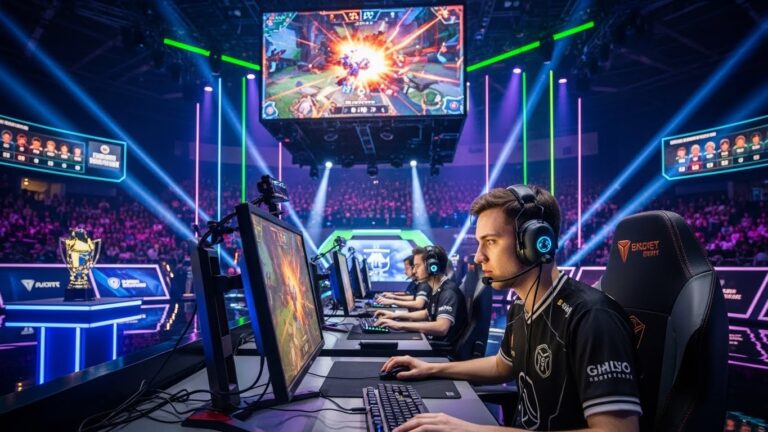
Becoming a professional esports player requires more than just talent. Like athletes in traditional sports, players need rigorous training, mental resilience, and the ability to perform under pressure. The average professional gamer spends multiple hours daily practicing, analyzing gameplay, and maintaining peak physical and mental health. Nutrition, exercise, and mental conditioning are increasingly recognized as vital components of a successful career.
The career path for esports players is diverse. Some focus solely on competitive play, while others transition into content creation, coaching, or team management. Sponsorship deals and brand collaborations also offer additional revenue streams, allowing players to monetize their skills and public persona. Despite the challenges, the professional gaming world provides opportunities for recognition, financial stability, and personal growth.
Esports Tournaments: Where Legends Are Made
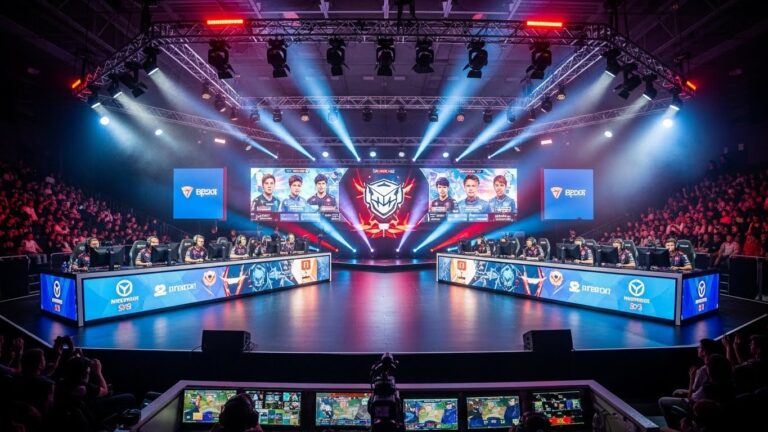
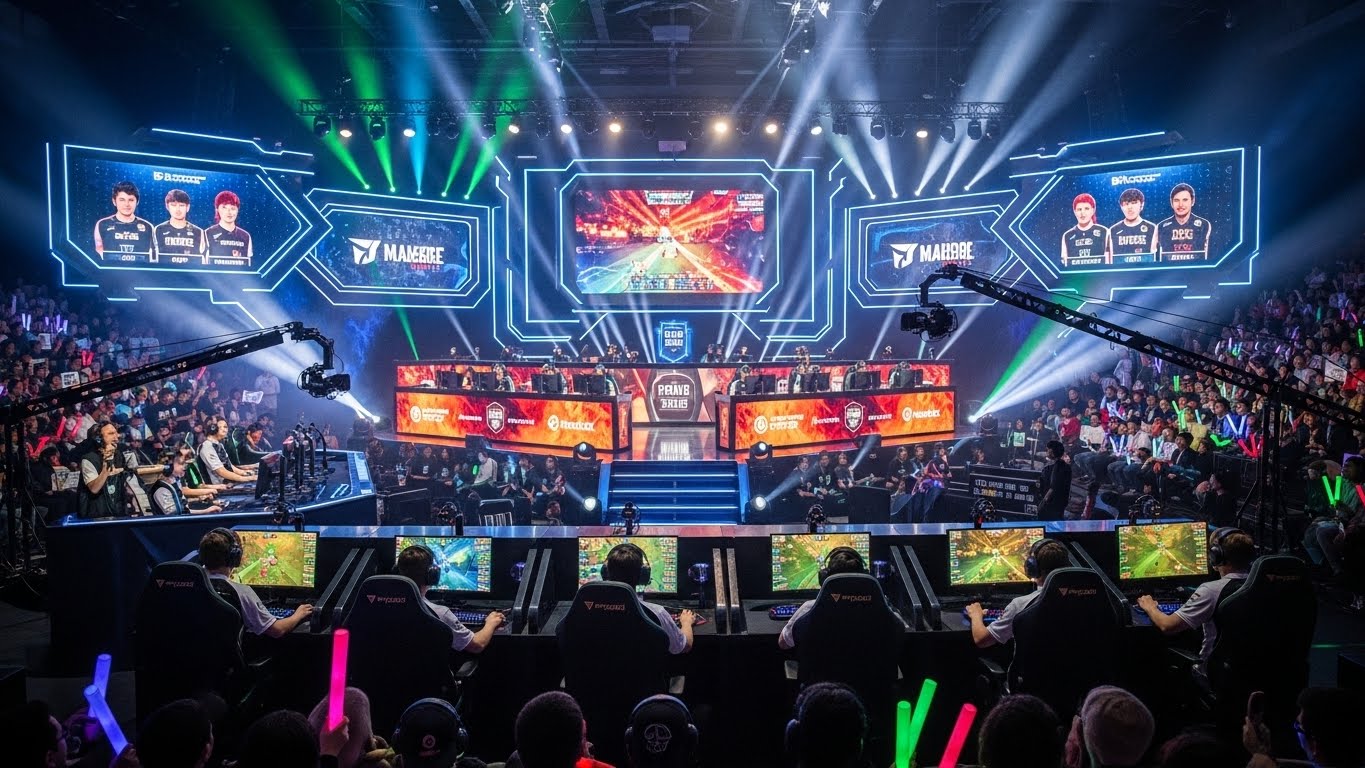
Esports tournaments are at the heart of the industry. They range from small online competitions to massive live events held in stadiums with thousands of spectators. Events like the League of Legends World Championship and The International for Dota 2 attract millions of viewers worldwide, both online and in-person. These tournaments are meticulously organized, with live production, commentary, and elaborate fan engagement activities.
The tournament experience mirrors that of traditional sports, with high stakes, team rivalries, and moments of intense drama. Fans follow their favorite players and teams, creating communities that thrive on shared excitement and passion. The spectacle of esports tournaments has elevated competitive gaming into a form of entertainment comparable to professional sports, complete with celebrities, merchandise, and cultural impact.
Technology and Innovation in Esports
Technology is the backbone of esports. High-performance gaming PCs, consoles, and peripherals are essential for competitive play. Advanced software tools, including analytics and streaming platforms, enhance both player performance and fan engagement. Virtual reality and augmented reality are beginning to influence esports, opening doors to immersive gaming experiences that were previously unimaginable.
Moreover, artificial intelligence and machine learning are being utilized to analyze gameplay patterns, provide strategic insights, and even assist referees in maintaining fair competition. This integration of technology ensures that esports remains at the forefront of digital innovation, constantly evolving with new trends and audience expectations.
The Global Reach of Esports
Esports has a truly global footprint. Regions like North America, Europe, and East Asia are leading markets, but emerging economies are rapidly joining the scene. Countries invest in esports education, infrastructure, and national teams, signaling the recognition of gaming as a legitimate competitive and cultural activity.
Cultural diversity in esports is one of its strongest attributes. Players from different backgrounds bring unique styles, strategies, and narratives to the global stage. Fans from across the world interact, share experiences, and celebrate their favorite teams, creating a sense of unity that transcends borders.
Challenges Facing the Esports Industry
Despite its rapid growth, esports faces challenges that require careful attention. Player burnout is a serious concern due to the intense training schedules and pressure to perform. Mental health support is increasingly recognized as essential for sustaining long-term careers. Additionally, issues related to fairness, cheating, and toxic behavior in gaming communities continue to impact the reputation of esports.
Monetization and sustainability are other hurdles. While the industry is lucrative, income disparity among players, teams, and tournaments can be significant. Ensuring fair pay, transparent contracts, and opportunities for all levels of competition is necessary for the continued growth and legitimacy of esports.
The Social Impact of Esports
Esports has a profound social dimension. Online communities allow individuals to connect, collaborate, and form friendships regardless of physical location. Esports also challenges stereotypes about gaming, demonstrating that competitive gaming requires intelligence, teamwork, and discipline.
Furthermore, esports has become a platform for inclusivity. Women, LGBTQ+ individuals, and people from diverse backgrounds are increasingly participating and gaining recognition. While there is still work to be done to address inequalities, the industry is actively evolving toward a more inclusive and supportive environment.
The Future of Esports
The future of esports is bright and full of possibilities. As technology advances, the lines between virtual and physical sports may continue to blur. Mobile esports, cloud gaming, and VR/AR innovations will likely expand the audience and participation levels. Educational programs and professional pathways are being developed to train the next generation of players, coaches, and esports managers.
Esports is poised to influence mainstream culture further. Music collaborations, celebrity endorsements, and media productions featuring esports content are already shaping global trends. As esports continues to mature, it will likely redefine what it means to be an athlete, entertainer, and community builder in the digital age.
Conclusion: Esports as a Cultural Force
Esports is more than just a trend; it is a cultural force reshaping entertainment, sports, and social interaction. Its growth reflects the power of digital technology to create new forms of competition and storytelling. From humble beginnings in living rooms to grand arenas with millions of viewers, esports has proven that gaming can inspire passion, creativity, and global connection.
As the industry continues to expand, it will challenge our understanding of sports, entertainment, and human achievement. Esports is not merely a pastime—it is a movement that celebrates skill, innovation, and community in a way that is uniquely modern and profoundly human.
About the Author