Introduction: The Rise of a Digital Arena
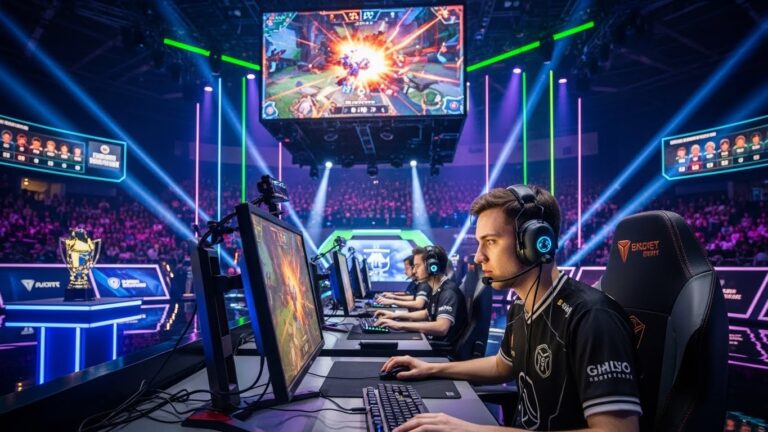
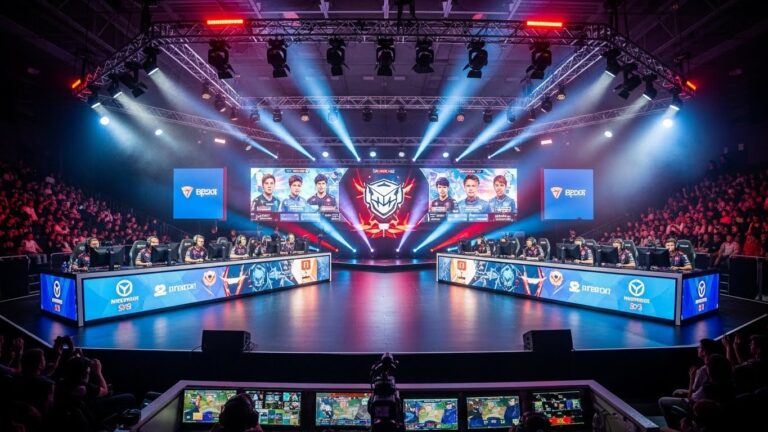
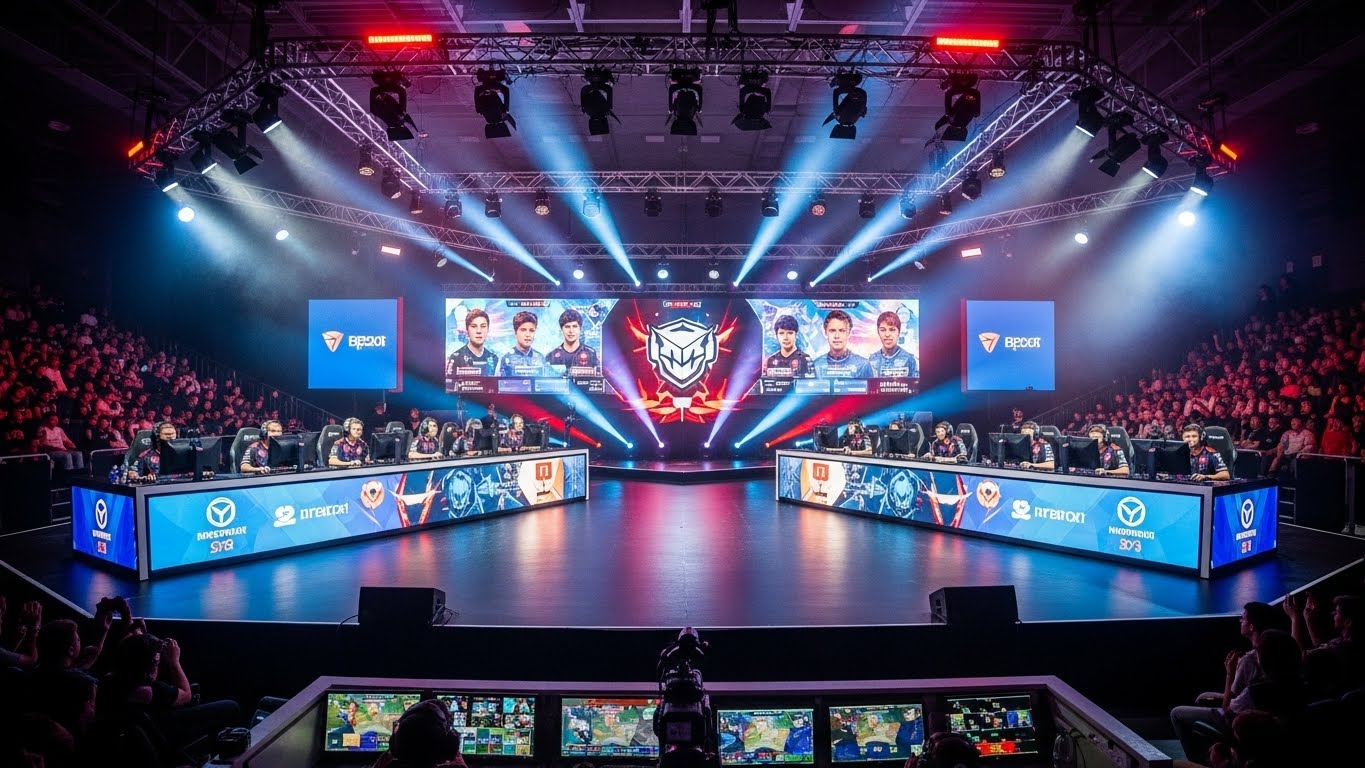
Esports, short for electronic sports, has evolved from casual gaming sessions into a global competitive phenomenon. What once began as friends competing on arcade machines has transformed into packed stadiums, million-dollar prize pools, and professional athletes with worldwide fan bases. Today, esports is not just about playing games; it is about strategy, teamwork, entertainment, technology, and a rapidly growing culture that is reshaping how people view competition in the digital age.
Understanding Esports as a Competitive Sport
At its core, esports involves organized, competitive video gaming where individuals or teams face off under structured rules. These competitions demand high levels of skill, reflexes, mental endurance, and strategic thinking. Just like traditional sports, players train rigorously, analyze opponents, practice teamwork, and strive for peak performance. The difference lies in the medium, where the battlefield is virtual but the pressure, discipline, and dedication are very real.
The Evolution from Hobby to Profession
Esports was once considered a hobby or pastime, often dismissed as unproductive. Over time, advancements in internet connectivity, gaming technology, and live streaming changed that perception. Online platforms allowed players to compete globally, while spectators could watch matches in real time. This accessibility fueled growth, attracting sponsors, advertisers, and investors. As a result, esports shifted from informal tournaments to professionally managed leagues with contracts, coaches, analysts, and support staff.
Popular Game Genres Driving Esports
Esports thrives across multiple game genres, each offering unique competitive experiences. Multiplayer online battle arena games emphasize teamwork and strategy, while first-person shooters focus on precision, reaction speed, and tactical awareness. Sports simulation games replicate real-world athletics in digital form, and strategy-based games challenge players’ long-term planning and adaptability. This diversity ensures that esports appeals to a wide range of players and viewers, contributing to its sustained growth.
The Role of Technology in Esports Growth
Technology is the backbone of esports. High-performance gaming hardware, low-latency internet connections, and advanced software tools enable seamless competition. Streaming technology allows fans to watch matches live, interact with communities, and follow their favorite teams. Innovations such as virtual reality, augmented reality, and data analytics are further enhancing the viewing and playing experience, pushing esports into new dimensions of immersion and engagement.
Esports Athletes and Their Training Regimens
Professional esports players are often compared to traditional athletes, and for good reason. Their training schedules can include several hours of practice daily, focusing on mechanical skills, game knowledge, and teamwork. Mental conditioning is equally important, as players must remain calm under pressure and make split-second decisions. Physical health is also gaining attention, with teams emphasizing proper posture, exercise, and nutrition to sustain long careers.
The Business and Economics of Esports
Esports has become a lucrative industry with multiple revenue streams. Sponsorships, advertising, merchandise, ticket sales, and media rights contribute significantly to its economy. Game publishers play a major role by supporting tournaments and leagues, while brands see esports as a way to connect with younger, tech-savvy audiences. This economic ecosystem has created jobs not only for players but also for coaches, event organizers, marketers, and content creators.
Esports as a Cultural Movement
Beyond competition, esports has developed into a cultural movement that influences fashion, language, and entertainment. Gaming communities form strong identities around teams and players, similar to traditional sports fandoms. Live events combine competition with music, art, and storytelling, creating memorable experiences. Esports also promotes inclusivity by bringing together people from different countries, backgrounds, and cultures through a shared passion.
Education and Career Opportunities in Esports
The growth of esports has opened doors in education and career development. Schools and universities are increasingly offering esports programs, scholarships, and dedicated facilities. These initiatives recognize esports as a legitimate field of study and competition. Career paths extend beyond playing, including roles in game design, broadcasting, event management, psychology, and data analysis, making esports a versatile industry with long-term potential.
Challenges Facing the Esports Industry
Despite its success, esports faces several challenges. Player burnout, mental health concerns, and career longevity remain important issues. Regulatory consistency across regions is still developing, and maintaining fair play requires constant vigilance against cheating. Additionally, balancing commercial interests with community values is crucial to preserving the authenticity that made esports popular in the first place.
The Future of Esports
The future of esports looks promising as technology continues to evolve and global audiences expand. Increased mainstream acceptance, integration with traditional sports organizations, and innovative formats will likely shape the next phase of growth. As esports matures, it has the potential to become a permanent fixture in global entertainment, influencing how competition, storytelling, and digital interaction are experienced.
Conclusion: A New Definition of Sport
Esports is more than just playing video games competitively; it is a reflection of how society adapts to technological change. It challenges traditional definitions of sport, creates new opportunities for connection and creativity, and inspires a generation that grew up in the digital world. As esports continues to evolve, it stands as a powerful example of how passion, skill, and innovation can transform entertainment into a global movement.
About the Author