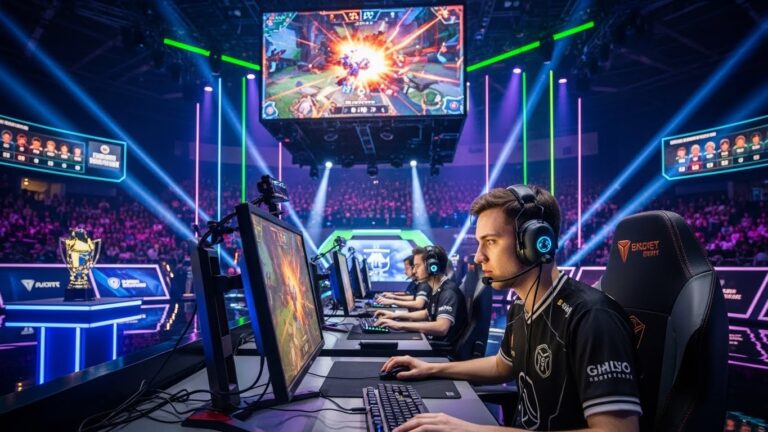
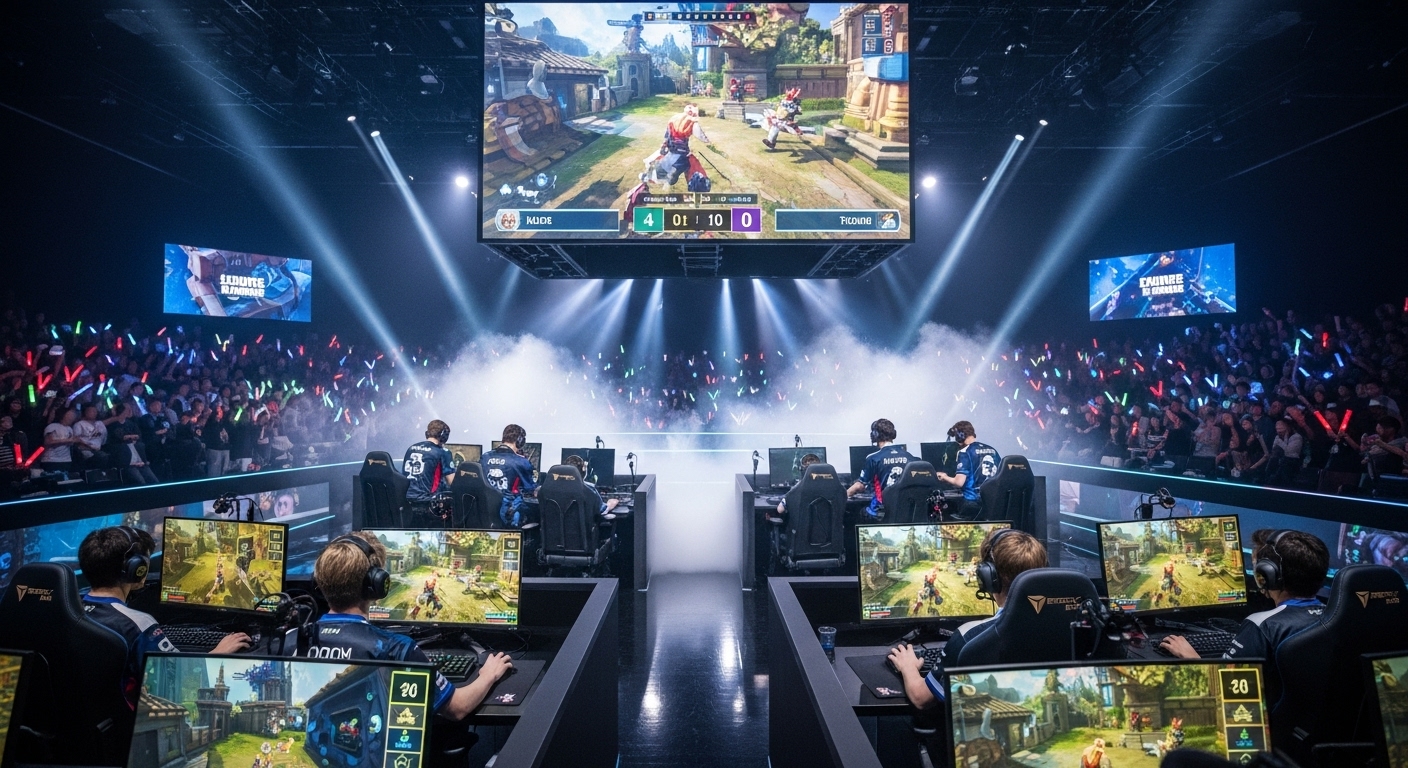
Esports has come a long way since its humble beginnings in the late 1990s. What started as small, niche tournaments for video game enthusiasts has now transformed into a multi-billion-dollar global industry, attracting millions of players, viewers, and investors worldwide. As we step into 2025, innovations in technology, gameplay, and fan interaction are continuing to reshape the way esports is experienced. These changes are not just enhancing the games themselves but are fundamentally altering how players, organizations, and audiences engage with esports.
In this blog post, we will explore the top innovations that are transforming the esports landscape in 2025. From virtual reality integration to AI-driven gameplay and fan-driven content creation, these trends are redefining the future of competitive gaming.
1. Virtual Reality and Augmented Reality: The Future of Immersive Esports
Virtual Reality (VR) and Augmented Reality (AR) have already started making waves in gaming, but in 2025, their impact on esports is expected to be even more profound. As hardware becomes more accessible and immersive, both players and spectators will experience esports in a way that was once thought to be far-off science fiction.
VR Esports Tournaments
VR gaming, combined with esports, offers a new dimension to competitive play. VR esports tournaments are becoming more popular, with games like Echo Arena and The Unspoken paving the way for future VR competitions. By 2025, expect to see even larger-scale VR tournaments, complete with immersive environments, virtual audiences, and more physical movement integrated into gameplay.
These advancements could completely change the dynamics of esports. Players would be able to physically “step into” the game, making movements, strategy, and reflexes more critical than ever. This could attract new types of players who are more physically inclined or enjoy a greater sense of presence within the game world.
AR for Enhanced Spectator Experience
On the spectator side, AR is transforming how fans interact with games. By using AR-enabled devices like smart glasses or AR apps, viewers can see real-time stats, player performance metrics, and in-game analytics projected directly onto their view of the match. This would create a more interactive and enriched experience, allowing fans to track a game’s progression from a whole new perspective.
As AR becomes more integrated with broadcasting, esports tournaments in 2025 will offer fans a dynamic and highly customizable viewing experience, changing how they engage with their favorite teams and players.
2. Artificial Intelligence: Powering Smarter Gameplay and Esports Management
Artificial Intelligence (AI) has already begun to revolutionize gaming and esports by providing smarter game design, enhanced in-game AI opponents, and more personalized user experiences. In 2025, AI is expected to further its reach into both competitive gameplay and esports management.
AI-Powered Coaches and Training Tools
For professional esports players, AI-driven tools will provide individualized training experiences. These AI coaches can analyze gameplay in real-time, offering insights on player performance, pinpointing weaknesses, and recommending strategies for improvement. Tools like Mobalytics and Blitz already use AI to analyze League of Legends gameplay, but in 2025, this technology will become even more refined, possibly creating fully integrated coaching systems that help players level up in record time.
AI-Generated Content and Player Performance Analysis
AI will also be used to create sophisticated player performance analysis. By analyzing in-game data from thousands of matches, AI systems will offer detailed statistics on everything from reaction times to decision-making patterns. This data can then be used by teams and organizations to refine their strategies, making esports more data-driven and competitive than ever.
Beyond gameplay, AI will help manage large-scale esports events, automating tasks such as tournament scheduling, player analytics, and match-ups. This will streamline event management, reducing human error and optimizing for faster, more efficient operations.
3. Cloud Gaming: Esports Without Boundaries
One of the biggest hurdles for aspiring professional players in the past was access to high-end gaming hardware. However, cloud gaming is revolutionizing how people access and play games, removing the need for powerful PCs and consoles. By 2025, cloud gaming platforms like Google Stadia, NVIDIA GeForce Now, and Xbox Cloud Gaming will be even more advanced, allowing players to access esports titles from virtually any device with an internet connection.
Accessibility for All Players
Cloud gaming will democratize esports, allowing players from all corners of the globe to compete on an equal footing. This innovation means that players in developing regions—where access to expensive gaming hardware is often a barrier—can play competitive titles just as easily as anyone with high-end equipment. This could lead to a surge in global talent, with new players emerging from countries that were previously underrepresented in the esports scene.
Seamless Streaming and Viewer Engagement
For fans, cloud gaming will also impact the way they engage with content. Rather than worrying about lag, connectivity, or hardware requirements, viewers will be able to stream games with ultra-low latency and in high definition, regardless of their device. This will create a seamless and more enjoyable viewing experience, whether they’re watching on a mobile phone or a VR headset.
4. Fan-Driven Esports Content: The Rise of UGC (User-Generated Content)
As esports continues to grow, the relationship between fans and players is becoming more interactive. In 2025, fan-driven content is expected to take center stage, with fans having more direct control over the narratives surrounding their favorite teams and games.
Esports Streaming Platforms and Fan Interactions
Platforms like Twitch and YouTube Gaming are already popular for live-streaming esports events, but in the future, fans will have more opportunities to interact with players and teams. Think of fan-hosted tournaments, interactive streams, and live commentary from fans during matches. These platforms will evolve to allow for real-time fan-driven content creation, where viewers can influence in-game events or provide live feedback.
This user-generated content (UGC) trend will not only enhance fan engagement but also provide new revenue streams for both players and organizations. Content creators will play an even more significant role in shaping the public image of teams and events, becoming integral to the esports ecosystem.
5. Blockchain and NFTs: Reshaping Esports Economy
Blockchain technology and Non-Fungible Tokens (NFTs) have begun to make waves in various industries, and esports is no exception. These technologies will be a key innovation in transforming the financial landscape of esports by 2025.
NFTs for Esports Collectibles and Merchandise
Esports fans are passionate about their favorite teams, players, and games, and NFTs offer a new way for them to connect with these icons. By 2025, we can expect an explosion of NFT-based esports collectibles, from exclusive in-game skins and player highlights to rare merchandise tied to significant esports milestones. NFTs allow fans to own a piece of the esports world, bringing an element of rarity and value to digital content.
Blockchain for Transparent, Secure Transactions
Blockchain will also help create more secure and transparent financial systems within esports. With sponsorships, prize pools, and player contracts all going through blockchain-powered systems, issues like fraud, transparency, and payment delays will be reduced. Blockchain technology will streamline the financial side of esports, making it easier for players, teams, and organizations to transact in a secure, verifiable manner.
6. 5G Technology: The Key to Faster, Seamless Gaming Experiences
The rollout of 5G networks is set to revolutionize mobile and online gaming in esports. With ultra-low latency and faster speeds, 5G will offer a seamless gaming experience, crucial for competitive esports.
Lag-Free Mobile Gaming
By 2025, mobile esports will have reached a new level of competitiveness, thanks to the capabilities of 5G technology. The reduction in lag and the increase in data transmission speeds will allow players to compete at the highest level without worrying about connectivity issues. Popular mobile games like PUBG Mobile and Free Fire will see a massive surge in competitive play, with smoother, more immersive gameplay on smartphones and tablets.
Better Online Matchmaking and Global Competition
5G will also enhance online matchmaking systems, allowing players from all around the world to compete without geographical limitations. The speed and reliability of 5G networks will reduce latency, allowing players to engage in faster, more accurate online matches, regardless of their location. This means esports will become even more global, with players from different continents able to compete against each other in real-time without the fear of delay.
Conclusion: The Future is Now for Esports
As we approach 2025, it’s clear that esports is evolving at a breakneck pace. Innovations in VR, AI, cloud gaming, fan engagement, blockchain, and 5G technology are reshaping not just how games are played, but also how they are managed, experienced, and enjoyed by fans. These advancements are pushing the boundaries of competitive gaming, making esports more inclusive, immersive, and exciting than ever before.
With the continuous evolution of technology, the esports industry will only continue to expand, offering unprecedented opportunities for players, fans, and investors alike. As we look toward the future, one thing is certain—esports is on track to become an even more integral part of the global entertainment landscape in 2025 and beyond.
About the Author