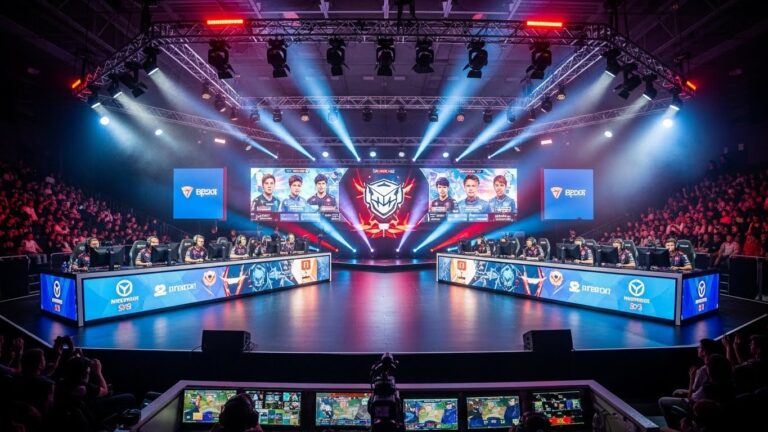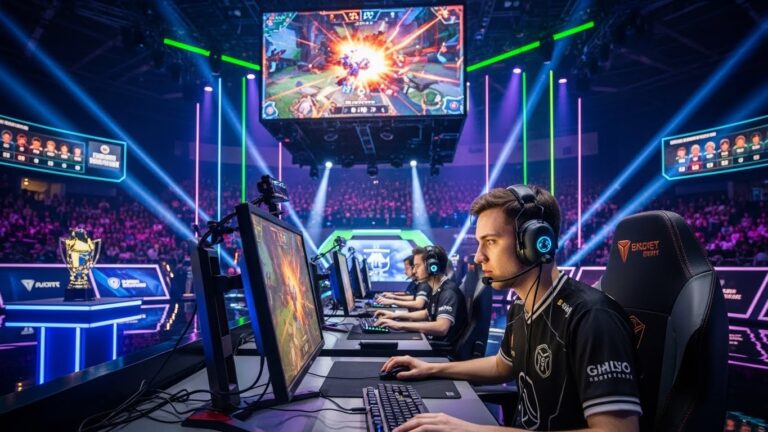
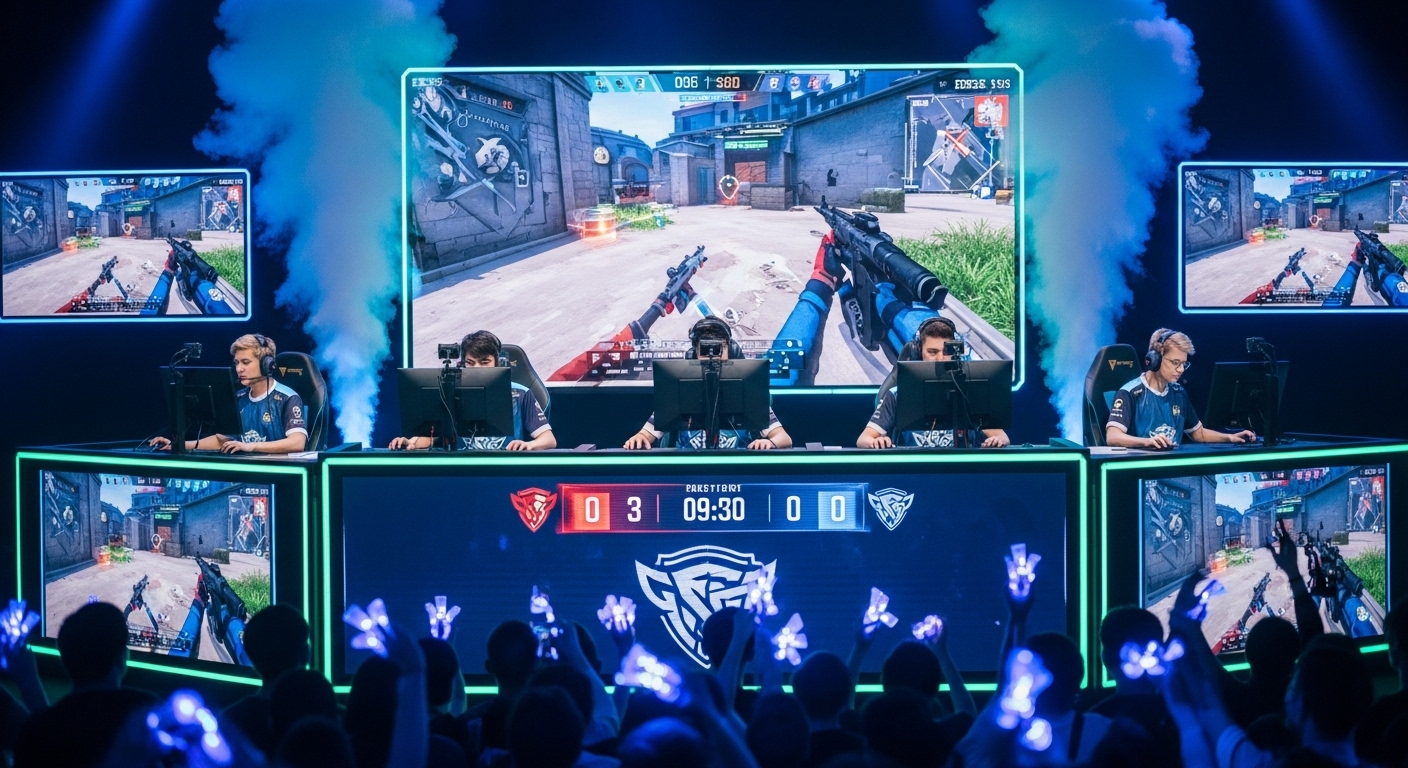
In a world where entertainment is increasingly digital, one industry has grown exponentially over the last decade: eSports. What was once a niche hobby for a small group of gamers has transformed into a global phenomenon. Today, eSports stands at the intersection of technology, competition, and entertainment, offering both players and fans new ways to connect, compete, and experience the excitement of professional gaming. But what exactly is eSports, and why is it so popular? Let’s dive into the rise of competitive gaming and explore the impact it’s having on the entertainment landscape.
What is eSports?
eSports, short for electronic sports, refers to competitive video gaming, where professional players and teams compete in various video game tournaments. Unlike casual gaming, eSports requires intense skill, strategy, and practice, often in multiplayer online games that demand precise coordination, quick reflexes, and deep knowledge of the game’s mechanics. Titles such as League of Legends, Counter-Strike: Global Offensive, Dota 2, Overwatch, and Fortnite dominate the competitive scene, attracting millions of viewers worldwide.
Professional players dedicate their lives to mastering these games, much like athletes in traditional sports. They practice for hours each day, analyzing their gameplay, refining their strategies, and competing in online leagues and international tournaments. These events are often streamed live on platforms like Twitch or YouTube, where fans watch their favorite players and teams battle it out for fame, fortune, and glory.
The Explosion of eSports: Why It’s Gaining Popularity
Over the past decade, eSports has experienced explosive growth. Several factors have contributed to its rise, making it one of the fastest-growing sectors in the entertainment world.
1. The Rise of Streaming Platforms
One of the primary reasons for eSports’ rapid expansion is the rise of streaming platforms. Services like Twitch, YouTube Gaming, and Facebook Gaming have given eSports players and fans a direct avenue to connect. Streaming allows fans to watch their favorite players live in action, interact with the gaming community, and even participate in real-time by chatting or donating. The accessibility of watching these events online has made eSports incredibly attractive to younger audiences who are used to digital entertainment.
2. Big Prize Pools and Sponsorships
With the increasing popularity of eSports, prize pools for major tournaments have soared into the millions. For example, The International (a Dota 2 championship event) has reached prize pools of over $40 million, making it one of the richest tournaments in the world. These large prize pools not only attract top-tier players but also generate massive amounts of media attention.
Sponsorship deals have also played a crucial role in the rise of eSports. Companies ranging from tech giants like Intel and Razer to global brands like Coca-Cola and Nike have jumped on board to sponsor teams, players, and events. These partnerships provide significant financial backing, helping to professionalize the industry and elevate eSports to the level of traditional sports.
3. Social Media and Content Creation
eSports is not just about the games—it’s about the personalities behind them. Many eSports players have gained massive followings on social media platforms, where they share their gameplay, interact with fans, and build their personal brands. Players like Ninja, PewDiePie, and Faker have become household names, transcending the gaming world to become global icons. Their presence on platforms like Twitch, Instagram, and Twitter has helped eSports reach new audiences and solidify its place in mainstream entertainment.
4. Global Fanbase and International Competitions
eSports is a truly global phenomenon. Unlike traditional sports, which are often limited by regional boundaries, eSports connects players and fans from every corner of the world. Whether you’re watching a League of Legends tournament in North America or a Dota 2 match in China, the excitement is universal. This global reach has allowed eSports to transcend borders, creating a diverse fanbase that is united by a shared love for gaming.
The Structure of eSports: Tournaments and Leagues
eSports has grown into a highly organized and structured industry. Just like traditional sports leagues, eSports has professional organizations, tournaments, and broadcasting platforms that ensure a competitive environment for players and teams.
1. Major Tournaments
Major eSports tournaments are the pinnacle of competitive gaming. These events often feature the best players from around the world, competing for large cash prizes and international recognition. Some of the most popular tournaments include the League of Legends World Championship, The International (for Dota 2), and The Overwatch League. These tournaments are often broadcast live to millions of viewers, both on streaming platforms and on TV networks, adding to the excitement and drama of the competition.
The prize pools for these tournaments have become astronomical, attracting not only top players but also massive global audiences. For example, in 2021, The International 10 had a prize pool of over $40 million, setting a record for any eSports tournament.
2. eSports Leagues
In addition to one-off tournaments, eSports also features organized leagues. The Overwatch League and the Call of Duty League are examples of professional leagues where teams compete in regular seasons, with playoffs leading to a championship. These leagues have a structure similar to traditional sports leagues, offering fans a consistent, year-round schedule of high-level competition.
3. Local and Regional Competitions
In addition to major international events, many eSports titles feature regional competitions, allowing players to compete in more localized tournaments. These competitions are an important stepping stone for up-and-coming players, providing them with opportunities to showcase their skills before advancing to international levels. These smaller events often serve as qualifiers for larger tournaments, and they help foster a thriving eSports community at the grassroots level.
The Business Behind eSports
As eSports has grown, so too has its commercial appeal. It’s no longer just about the players—it’s a thriving business with multiple revenue streams.
1. Sponsorship and Advertising
Sponsorships are one of the main revenue sources for eSports. Brands see value in aligning themselves with the competitive gaming community, particularly as younger generations increasingly turn to eSports as their primary form of entertainment. Sponsors provide financial backing for teams, events, and players, while also gaining access to a highly engaged and tech-savvy audience.
Advertising plays a significant role as well, with companies targeting eSports viewers through digital ads, product placements, and branded content. eSports fans are some of the most loyal and engaged, making them an attractive audience for advertisers.
2. Media Rights and Broadcasting
The broadcast rights for eSports tournaments have become increasingly valuable. Networks like ESPN and NBC have started airing major eSports events, while platforms like Twitch remain the dominant hub for eSports streaming. These media rights deals have helped generate substantial revenue for both tournament organizers and broadcasting platforms, further legitimizing eSports as a mainstream form of entertainment.
3. Merchandising and Fan Engagement
Merchandising is another lucrative avenue for the eSports industry. Teams, players, and tournament organizers sell branded merchandise, such as jerseys, posters, and collectibles, to their fans. This not only helps build a sense of community but also provides a significant revenue stream. Fan engagement has become a critical part of the eSports business model, with players interacting with fans on social media, streaming platforms, and live events.
The Future of eSports
eSports has come a long way in a short period, and the future looks even more promising. Here are a few key trends that are likely to shape the next chapter in eSports history:
1. Integration with Traditional Sports
As eSports continues to grow, we may see more integration with traditional sports. In fact, some professional sports teams have already entered the eSports world, creating their own teams and leagues. This fusion of eSports and traditional sports could lead to more cross-promotion, joint events, and even shared fans.
2. Virtual Reality and Augmented Reality
The future of eSports may also involve new technologies like virtual reality (VR) and augmented reality (AR). Imagine being able to watch an eSports tournament from a first-person perspective or even stepping into the game itself. VR and AR could revolutionize the way fans interact with eSports, providing an even more immersive experience.
3. Increased Investment and Growth
The financial investment in eSports shows no signs of slowing down. Major tech companies, media networks, and even governments are pouring money into the industry, which will continue to fuel its growth. This influx of investment is likely to lead to even larger tournaments, more professional leagues, and a broader fanbase.
Conclusion: eSports is Here to Stay
eSports has firmly established itself as a major player in the world of entertainment. With its global fanbase, increasing viewership, and multi-million-dollar prize pools, eSports has proven that it’s not just a passing trend—it’s the future of competitive gaming. Whether you’re a casual fan, a dedicated gamer, or someone just curious about the phenomenon, eSports offers something for everyone. And with its future looking brighter than ever, it’s clear that eSports is here to stay.
About the Author