Introduction to Esports
In the modern digital age, the world of gaming has transformed from a simple pastime into a global phenomenon known as Esports. This new form of competition blends video games, entertainment, and professional sportsmanship into a powerful cultural and economic movement. Esports, short for electronic sports, refers to organized, multiplayer video game competitions, particularly between professional players, individually or as teams. What once began as small, informal gatherings of gaming enthusiasts has evolved into a multibillion-dollar industry attracting millions of viewers, corporate sponsorships, and international recognition.
Esports has broken traditional boundaries of sports and redefined what it means to be an athlete or a spectator. Players from all over the world compete virtually, demonstrating skill, strategy, reflexes, and teamwork on a global stage. As the gaming community continues to grow, Esports has become one of the most dynamic and inclusive entertainment platforms of the 21st century.
The Early Days of Competitive Gaming
The roots of Esports trace back to the early 1970s when video games first began to emerge as a form of entertainment. The first known video game competition was held at Stanford University in 1972, where students competed in a game called “Spacewar.” The prize was modest—a subscription to a technology magazine—but it marked the birth of organized competitive gaming.
By the 1980s, video game arcades became social centers for competitive play. Games like Pac-Man, Donkey Kong, and Space Invaders inspired fierce rivalries as players battled for high scores displayed on arcade leaderboards. Televised gaming competitions began to appear, and magazines started featuring top gamers, laying the foundation for a culture of competition and recognition within gaming communities.
The 1990s marked a significant leap forward. The rise of the internet and personal computers gave birth to networked multiplayer gaming. Titles like Doom, Quake, and StarCraft popularized the idea of online competitions. Local area network (LAN) parties became common, where players gathered in person to connect computers and compete. This decade laid the groundwork for professional tournaments, sponsorships, and the first generation of professional gamers.
The Explosion of Esports in the 2000s
As broadband internet became widespread, the 2000s witnessed an explosion in Esports growth. Online platforms allowed players from different continents to compete in real-time. Games like Counter-Strike, Warcraft III, and Dota began attracting organized tournaments with significant cash prizes.
One of the turning points for Esports was the establishment of dedicated organizations and leagues. The World Cyber Games (WCG), Electronic Sports World Cup (ESWC), and Major League Gaming (MLG) emerged as pioneering global tournaments, bringing legitimacy and professionalism to the field. Players began signing contracts, receiving salaries, and gaining recognition as athletes.
At the same time, South Korea became the epicenter of Esports culture. Games like StarCraft became national obsessions, with professional players reaching celebrity status and tournaments being broadcast live on television. South Korea’s investment in gaming infrastructure, training programs, and sponsorships inspired the rest of the world to follow suit.
The Role of Streaming and Online Platforms
The 2010s were transformative years for Esports due to the rise of live streaming platforms. Services like Twitch, YouTube Gaming, and Facebook Gaming revolutionized how audiences consumed gaming content. Instead of attending physical events or watching highlights, fans could now tune in live from anywhere in the world.
Streaming allowed players to connect directly with their fans, building personal brands and communities around their gameplay. It also provided an income stream through donations, subscriptions, and sponsorships. This accessibility fueled the growth of Esports by making it more visible, interactive, and engaging for a global audience.
Games like League of Legends, Dota 2, and Counter-Strike: Global Offensive became the pillars of Esports. Tournaments such as The International and the League of Legends World Championship drew millions of viewers, rivaling traditional sports events in both scale and production value.
The Rise of Professional Teams and Organizations
The growth of Esports led to the formation of professional teams and organizations that operate much like those in traditional sports. Teams such as Fnatic, Cloud9, Team Liquid, and T1 manage rosters of players, hire coaches, analysts, and psychologists, and sign sponsorship deals with major brands.
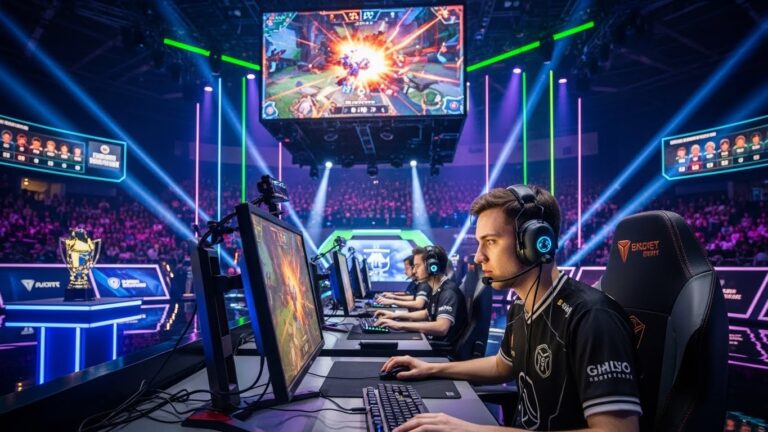
Players undergo rigorous training routines, analyzing strategies, practicing reflexes, and maintaining peak mental and physical health. Team houses, training facilities, and boot camps have become standard practice for top-tier organizations. Esports athletes now follow structured daily schedules, focusing on improving performance much like football or basketball players.
Franchise-based leagues have also emerged, such as the Overwatch League and the Call of Duty League, which emulate the structure of traditional sports leagues with city-based teams and scheduled seasons. This model provides stability for players and teams while creating a loyal fan base rooted in geographic identity.
Esports and Its Global Audience
The audience for Esports has grown exponentially, encompassing fans from every corner of the globe. Millions tune in to watch tournaments, follow their favorite teams, and engage in online discussions. What makes Esports particularly appealing is its accessibility. Unlike many traditional sports, anyone with a computer or console can participate, practice, and aspire to compete professionally.
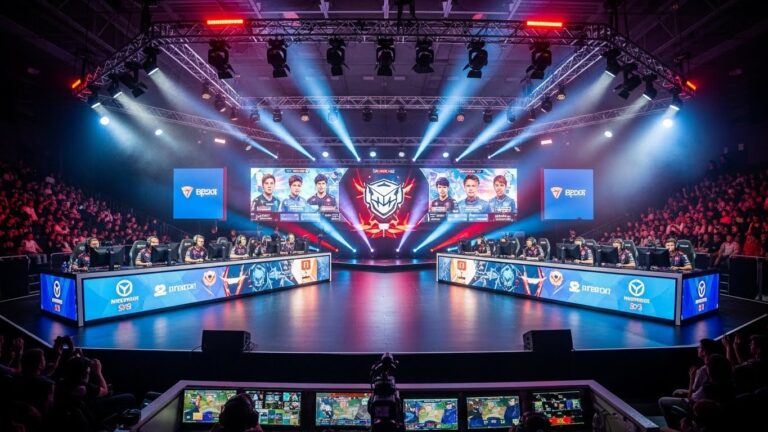
Major Esports events fill massive arenas, with thousands of fans cheering for their favorite teams. The energy in these venues rivals that of major football or basketball games, with fans waving team banners, chanting slogans, and wearing jerseys of their favorite players. The digital nature of Esports also allows it to reach audiences that traditional sports cannot, including younger generations who prefer online content to television broadcasts.
The Economic Power of Esports
The economic impact of Esports cannot be understated. It has become a multibillion-dollar industry encompassing game publishers, tournament organizers, sponsors, advertisers, and streaming platforms. Revenue streams include ticket sales, merchandise, media rights, and brand partnerships.
Major corporations from various industries, such as technology, energy drinks, apparel, and automotive brands, have entered the Esports space as sponsors. This influx of investment has driven higher prize pools and more sophisticated event productions. Some of the largest tournaments now offer prize money in the tens of millions of dollars, further motivating players to pursue professional careers.
Esports has also created numerous employment opportunities beyond gaming. Event management, content creation, marketing, broadcasting, and data analytics are just a few of the fields that have expanded thanks to the industry’s growth.
The Role of Education and Institutions
An interesting development in the Esports landscape is the involvement of educational institutions. Many universities and colleges now offer Esports programs, scholarships, and degrees in game design, management, and broadcasting. High schools are forming Esports teams, providing students with opportunities to learn teamwork, discipline, and communication through gaming.
This integration of Esports into education highlights its growing legitimacy as a professional and academic pursuit. Students can develop skills that are transferable to various industries, including technology, communication, and media production.
The Social and Cultural Impact of Esports
Esports has also reshaped social and cultural interactions. Gaming has long been a bridge connecting people across borders, languages, and cultures. Esports amplifies that by creating a global community united by a shared passion. Players and fans interact in online forums, chat rooms, and social media platforms, forming friendships and collaborations regardless of geographic boundaries.
Culturally, Esports has influenced fashion, music, and entertainment. Many popular artists and celebrities have collaborated with gaming companies or invested in teams. This crossover between mainstream entertainment and gaming has helped elevate Esports into popular culture.
Moreover, Esports challenges outdated stereotypes about gaming being an isolating or unproductive activity. It promotes strategic thinking, teamwork, and quick decision-making. For many, it serves as an avenue for self-expression and career growth.
Challenges Facing the Esports Industry
Despite its remarkable growth, Esports faces several challenges. One major issue is the sustainability of player careers. Professional gamers often face burnout due to long hours of practice and intense competition. Unlike traditional sports, the average career span of an Esports athlete is relatively short, often ending in their mid-twenties due to physical and mental strain.
Another concern is regulation. The Esports industry lacks a unified governing body, leading to inconsistencies in rules, player contracts, and tournament standards. Issues like cheating, match-fixing, and toxic behavior within communities also require ongoing attention.
Additionally, while Esports has made strides in inclusivity, there is still progress to be made regarding gender representation and diversity. Female gamers, in particular, often face harassment and limited visibility in professional circuits. Addressing these challenges is essential for ensuring the continued growth and inclusivity of the industry.
The Future of Esports
The future of Esports appears brighter than ever. With advancements in technology, such as virtual reality (VR) and augmented reality (AR), the gaming experience is becoming even more immersive. These innovations could lead to entirely new forms of Esports competition.
Mobile gaming is another major frontier. As smartphones become more powerful, mobile Esports titles like PUBG Mobile and Mobile Legends are attracting millions of players and viewers, particularly in regions like Southeast Asia and Latin America.
Moreover, the integration of artificial intelligence and data analytics will enhance player performance analysis and viewer engagement. Personalized content, interactive broadcasts, and enhanced statistics will make watching Esports even more captivating.
Governments and organizations are beginning to recognize Esports as an official sport, further solidifying its place in global culture. Countries are hosting Esports festivals, building dedicated arenas, and even including gaming in multi-sport events.
The Human Element Behind the Screen
While the technology and spectacle of Esports are impressive, at its heart lies the human story. Behind every player, team, and tournament are stories of perseverance, teamwork, and passion. Players dedicate countless hours honing their skills, often overcoming personal and financial challenges to compete at the highest level.
Esports has given rise to modern heroes who inspire millions of fans. They represent the fusion of intellect, reflex, and creativity. Whether they are lifting trophies on stage or streaming to a loyal fanbase, these players embody the evolution of competition in the digital age.
Conclusion
Esports is no longer a niche subculture; it is a global movement redefining the concept of competition and entertainment. From its humble beginnings in college dorm rooms to filling world-class arenas, Esports has proven its staying power. It merges technology, creativity, and human skill into a spectacle that transcends age, nationality, and background.
As we move further into the future, Esports will continue to evolve, bridging gaps between generations and reshaping the landscape of global entertainment. It stands as a testament to how far gaming has come—and how much further it can go.
Esports is not just about playing games; it is about passion, innovation, and community. It symbolizes the future of sports, where the digital and the human meet in perfect harmony.
About the Author