Introduction
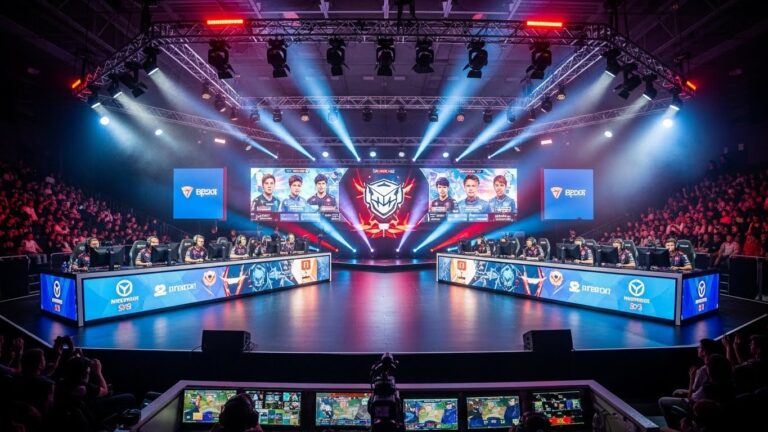
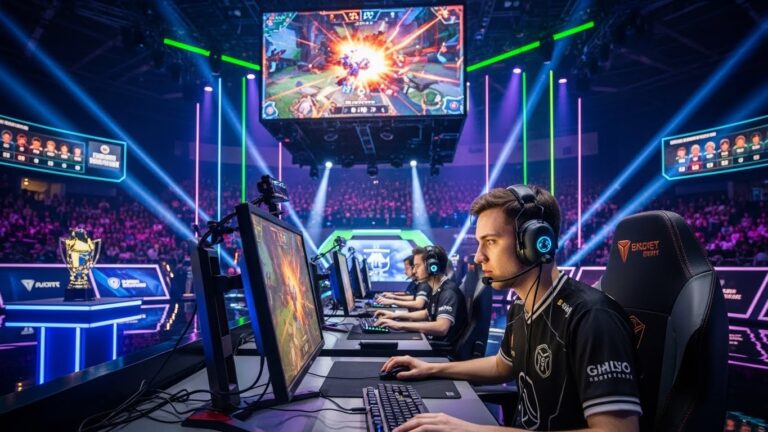
In the last two decades, the world has witnessed an unprecedented transformation in entertainment, competition, and technology through the rise of Esports. What was once seen as casual gaming among friends has now evolved into a global phenomenon that fills stadiums, attracts millions of online viewers, and generates billions of dollars in revenue annually. Esports, short for electronic sports, refers to organized, competitive video gaming where professional players compete individually or as teams in various genres such as first-person shooters, real-time strategy, battle royales, and sports simulations. This evolution of gaming into a structured and widely recognized sport represents not just technological progress but also cultural change.
The Birth of Competitive Gaming
The origins of Esports can be traced back to the early 1970s, when universities began hosting small-scale gaming tournaments. One of the first recorded competitions was held at Stanford University in 1972 for the game Spacewar!, with the winner receiving a subscription to Rolling Stone magazine. Though modest, this event marked the beginning of competitive gaming.
By the 1980s, the popularity of arcade games such as Pac-Man and Donkey Kong fueled the idea of gaming competition. Players competed for high scores, which were often displayed publicly in arcades. Magazines and television programs started featuring the best players, turning them into early gaming celebrities. However, it was still seen as a niche hobby rather than a professional pursuit.
The 1990s brought about a turning point. The rise of home consoles and personal computers created a massive gaming community. Internet access allowed multiplayer gaming to go online, connecting players from across the world. Games like Quake and StarCraft pioneered online tournaments, while organizations such as the Cyberathlete Professional League and Major League Gaming laid the foundation for professional Esports.
The 2000s: Building a Global Industry
The early 2000s saw the emergence of large-scale tournaments that attracted international participants and sponsors. Games like Counter-Strike, Warcraft III, and Dota became staples of the Esports scene. South Korea, in particular, became the epicenter of professional gaming, with StarCraft tournaments broadcast on national television and professional players achieving celebrity status.
Internet cafes, known as PC bangs in Korea, played a critical role in fostering community-based competition. Teams were formed, coaches were hired, and training schedules were implemented—mirroring the structure of traditional sports teams. The industry grew rapidly as sponsors realized the marketing potential of targeting a young, tech-savvy audience.
During this period, streaming platforms began to emerge. YouTube allowed highlights and full matches to be shared globally, helping fans connect with players and teams. However, it was the rise of Twitch in the 2010s that truly revolutionized Esports viewership by offering live broadcasts and interactive chats.
The 2010s: The Golden Era of Esports
The decade of 2010 to 2020 is often referred to as the golden era of Esports. Competitive gaming entered mainstream culture, with millions tuning in to watch global tournaments. Major events such as The International for Dota 2, the League of Legends World Championship, and Fortnite World Cup showcased Esports’ immense popularity.
Prize pools reached record-breaking amounts, often exceeding tens of millions of dollars. For example, The International 2019 offered more than $34 million in total winnings, making it one of the largest prize pools in sports history. Such staggering figures captured the attention of both media and investors, cementing Esports as a legitimate industry.
Game developers began designing titles specifically for competitive play. Riot Games’ League of Legends and Valve’s Counter-Strike: Global Offensive became cornerstones of professional circuits, while Overwatch, Valorant, and PUBG expanded the genre diversity. Each title cultivated its own ecosystem of players, teams, tournaments, and fans.
The involvement of traditional sports organizations further legitimized Esports. Football clubs like Paris Saint-Germain, FC Barcelona, and Manchester City launched their own Esports divisions. Similarly, basketball and baseball franchises invested in Esports teams. This crossover blurred the lines between physical and digital sports, opening doors for shared sponsorships and collaborations.
The Role of Technology in Esports Growth
The evolution of technology has been the backbone of Esports’ success. High-speed internet connections enabled seamless online competition, while advancements in graphics processing and computing power elevated the gaming experience. Streaming technology allowed fans to watch their favorite players in real time from anywhere in the world.
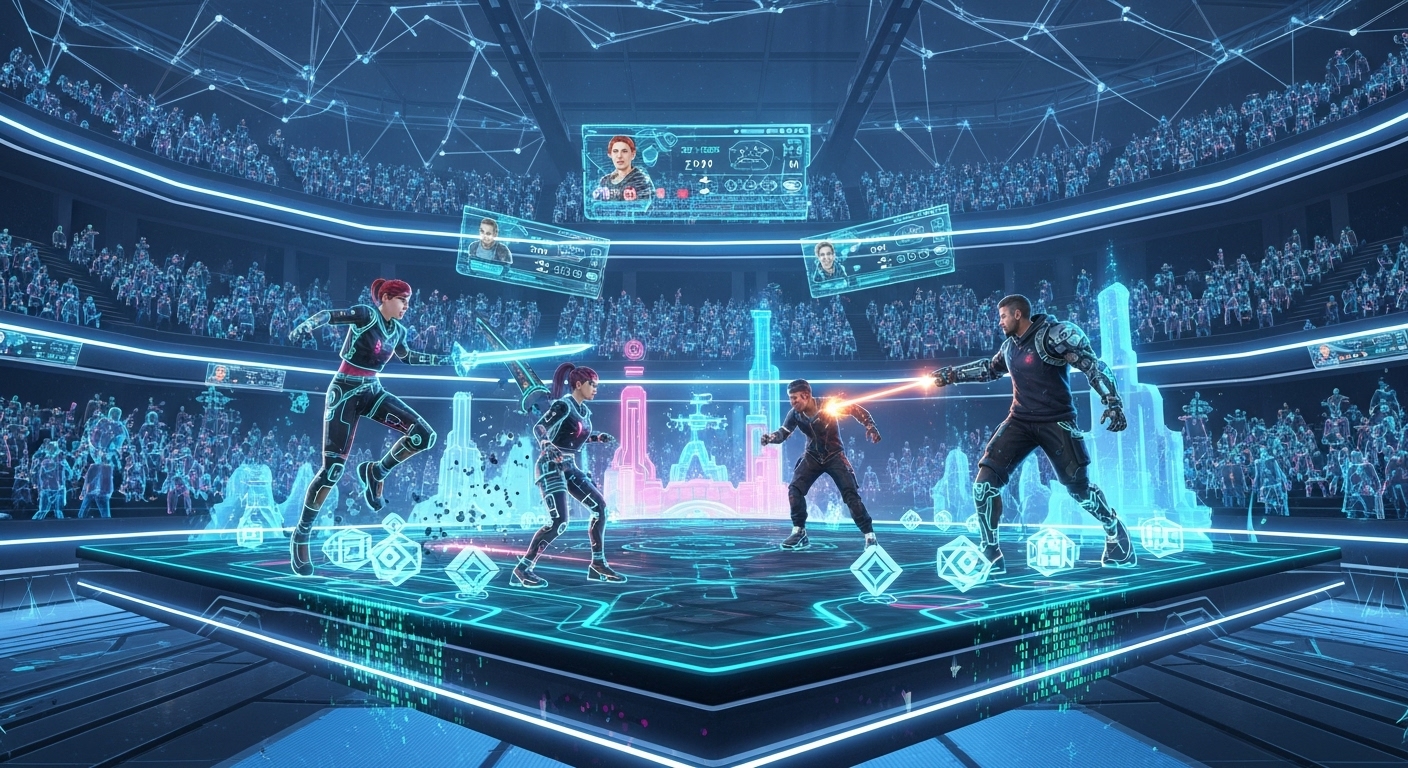
Virtual reality and augmented reality are also beginning to influence the future of Esports. These technologies promise even more immersive experiences, allowing players to compete in virtual environments that blend reality and digital interaction. Artificial intelligence and data analytics are also being used to improve player performance, analyze strategies, and enhance audience engagement.
Mobile technology has played a crucial role in expanding the Esports market, especially in regions like Southeast Asia, India, and Latin America. Games such as Mobile Legends, Free Fire, and PUBG Mobile have attracted millions of players and spectators, demonstrating that competitive gaming is not limited to high-end PCs or consoles.
The Culture of Esports and Its Community
One of the most remarkable aspects of Esports is its vibrant and passionate community. Fans do not just watch games—they live them. Esports audiences are deeply involved in online discussions, fan art, and social media interactions. Many fans follow their favorite teams with the same devotion as traditional sports supporters.
Esports culture also embraces diversity. It is a truly global industry that transcends language and geography. Players from all backgrounds can compete on the same stage, connected only by their skill and determination. The inclusivity of Esports has empowered countless young people to pursue their dreams without traditional barriers.
Streaming platforms have created new forms of celebrity. Professional players, streamers, and content creators have become influencers, building loyal followings and earning significant incomes. Esports stars like Faker, s1mple, and Ninja have achieved international fame, inspiring the next generation of gamers.
The Economics of Esports
The financial ecosystem of Esports is multifaceted, involving sponsorships, advertising, media rights, merchandise, ticket sales, and in-game purchases. Major brands such as Intel, Red Bull, and Nike have invested heavily in Esports sponsorships, recognizing the massive marketing potential among younger audiences.
Broadcasting deals with television networks and streaming platforms have created additional revenue streams. Esports organizations operate like traditional sports clubs, managing players, coaches, and analysts. They also rely on fan engagement through social media and content creation to sustain popularity.
Prize pools continue to grow each year, with millions distributed across tournaments. Additionally, Esports betting has emerged as a major industry, although it is subject to regulation. The professionalization of Esports has also given rise to agents, talent managers, and legal experts specializing in gaming contracts and brand deals.
Esports in Education and Career Development
The influence of Esports extends beyond entertainment. Many universities now offer Esports scholarships and degree programs focusing on game design, event management, and digital marketing. High schools have started incorporating Esports clubs to encourage teamwork, strategy, and leadership skills.
Students who may not excel in traditional sports find new opportunities through gaming. Esports fosters critical thinking, quick decision-making, and collaboration—skills that are transferable to many industries. Career opportunities extend beyond professional play to include broadcasting, coaching, production, and business management.
Challenges Facing the Esports Industry
Despite its rapid growth, Esports faces several challenges that must be addressed for sustainable success. Player burnout is a major issue due to long practice hours and intense competition. Many professional gamers retire at a young age because of stress or declining performance.
Cheating and hacking threaten the integrity of competition, while match-fixing and illegal betting pose ethical and legal risks. Additionally, toxic behavior and harassment in online communities have sparked debates about inclusivity and player well-being.
Another significant challenge lies in governance. Unlike traditional sports with established governing bodies, Esports lacks a unified global authority. Different organizations oversee different games, leading to inconsistencies in rules, player contracts, and event regulations.
Esports and the Media
Media coverage has played a crucial role in shaping public perception of Esports. Once dismissed as a niche activity, competitive gaming is now featured in mainstream media, with networks broadcasting major tournaments and documentaries exploring player stories.
Social media platforms amplify Esports exposure through highlights, memes, and real-time commentary. Content creators have become ambassadors for the industry, bridging the gap between casual fans and professional competition. The storytelling aspect of Esports—rivalries, underdog victories, and emotional moments—has captivated audiences around the world.
The Global Reach of Esports
Esports has transcended borders, becoming a truly global industry. Asia remains a powerhouse, with countries like South Korea, China, and Japan leading in infrastructure and player development. North America and Europe have established strong professional leagues, while regions such as South America, Africa, and the Middle East are experiencing rapid growth in player participation and viewership.
International tournaments bring together diverse cultures under one digital arena, promoting unity through competition. Language barriers are often overcome through universal gaming terms and shared enthusiasm, demonstrating the unique ability of Esports to connect people.
The Future of Esports
Looking ahead, Esports is poised for even greater expansion. As technology continues to evolve, so too will the competitive gaming landscape. Virtual reality tournaments, AI-driven analytics, and immersive spectator experiences will redefine how fans engage with Esports.
The integration of blockchain technology may also transform player contracts, digital ownership, and prize distribution. Meanwhile, the inclusion of Esports in multi-sport events like the Asian Games hints at future recognition in global sporting platforms.
Esports will likely become a key component of youth culture and digital entertainment. Schools, governments, and corporations are already acknowledging its value as both a career path and a community-building activity. As virtual and physical worlds continue to merge, Esports will stand as a symbol of the modern digital age.
Conclusion
Esports has evolved from humble beginnings into a global powerhouse that rivals traditional sports in viewership, revenue, and influence. It represents the perfect blend of technology, creativity, and competition. More than just games, Esports have become a lifestyle, a career path, and a cultural movement.
The passion of players, the engagement of fans, and the innovation of developers continue to shape this dynamic industry. Esports has not only redefined what it means to be an athlete but has also shown that skill, dedication, and teamwork can transcend physical boundaries.
As we move further into the digital age, Esports will remain at the forefront of entertainment and human connection—uniting millions across the world through the shared thrill of competition and the limitless potential of play.
About the Author