Introduction: The Rise of a New Sport
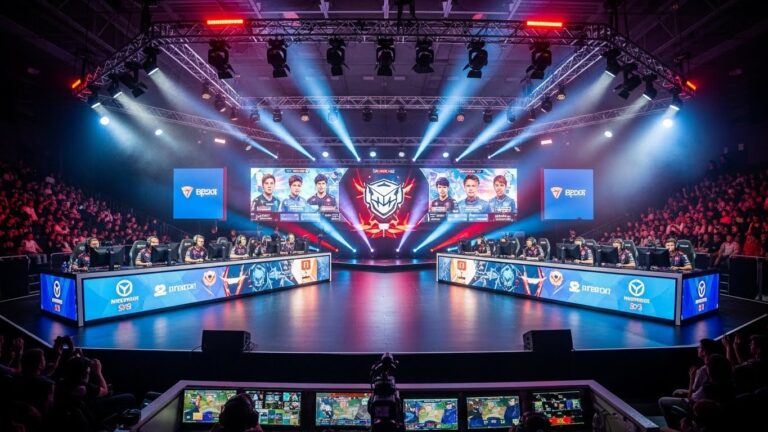
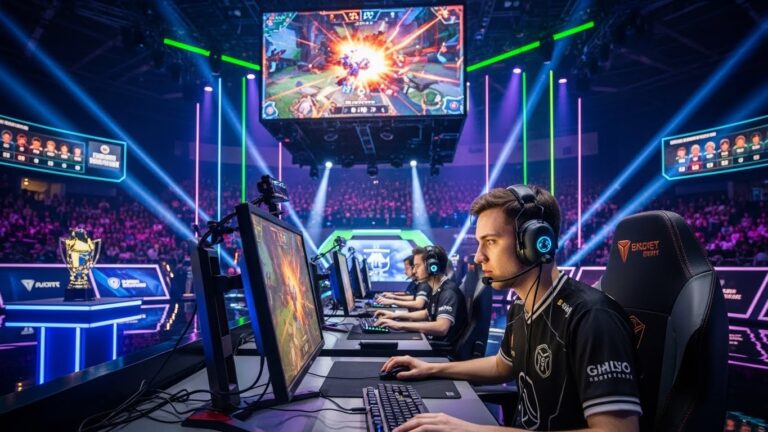
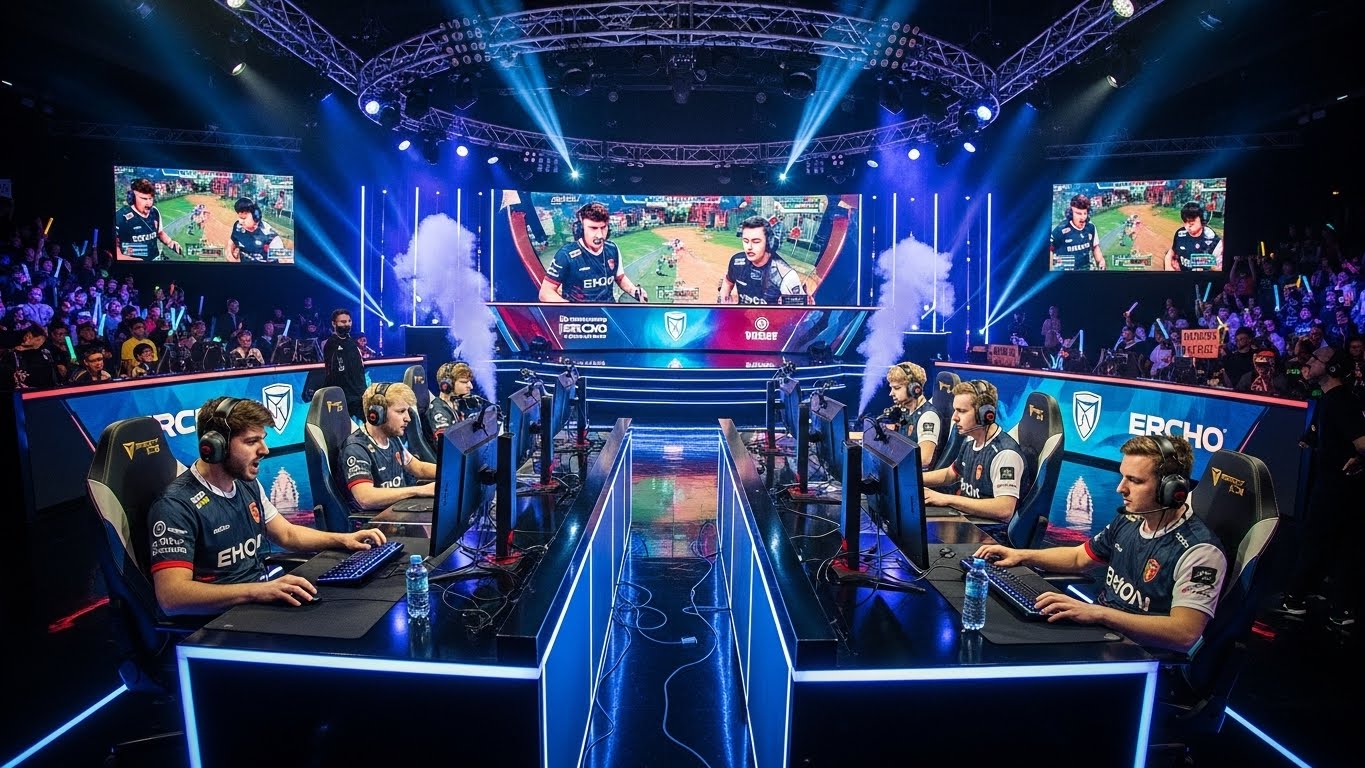
Esports, or competitive video gaming, has transformed from a niche pastime into a global phenomenon in just a few decades. What began as informal competitions among friends has grown into a multi-billion-dollar industry with professional leagues, sponsorships, international tournaments, and millions of viewers worldwide. Today, esports is recognized not only as a form of entertainment but also as a platform for career opportunities, skill development, and social connection. It has challenged traditional notions of sport and competition, demonstrating that mental agility, strategy, and teamwork are as critical in digital arenas as physical prowess is in traditional sports.
The Origins and Evolution of Esports
The roots of esports can be traced back to the 1970s and 1980s when arcade games such as Space Invaders and Pac-Man inspired early competitions. The 1990s saw the emergence of personal computers and online gaming, which introduced titles like StarCraft, Warcraft, and Counter-Strike, laying the foundation for modern esports. These games emphasized strategic thinking, fast reflexes, and collaborative play, attracting global audiences and competitive communities. The advent of high-speed internet and streaming platforms further accelerated the growth of esports, making real-time competition across continents possible. Over the years, esports has diversified into multiple genres, including first-person shooters, multiplayer online battle arenas, sports simulations, fighting games, and battle royale titles, each with its own competitive ecosystem and dedicated fan base.
The Economic Impact of Esports
Esports has become a significant economic force, generating revenue through sponsorships, advertising, merchandise, ticket sales, and media rights. Major tournaments now draw viewership numbers comparable to traditional sporting events, often in the millions. Professional esports organizations operate with structured management, coaching staff, analysts, and marketing teams, reflecting the level of professionalism seen in conventional sports. The industry also creates employment opportunities for content creators, commentators, event managers, and hardware developers, contributing to a robust ecosystem. Furthermore, cities hosting esports events benefit economically through tourism, local business engagement, and media exposure, highlighting the far-reaching impact of competitive gaming.
Technology as the Backbone of Esports
Technology is central to the rise of esports. High-performance gaming hardware, low-latency internet connections, and streaming platforms enable competitive play at the highest levels. Tools for performance tracking and analytics allow teams to refine strategies, monitor individual and collective performance, and optimize training routines. Virtual reality and augmented reality are poised to introduce immersive gameplay experiences, expanding the potential of esports in ways previously unimaginable. The technological foundation of esports ensures accessibility, interactivity, and global participation, making it a truly modern form of competitive entertainment.
Cognitive and Mental Benefits of Competitive Gaming
Esports is not only a test of skill but also a significant mental workout. Players develop strategic thinking, quick decision-making, situational awareness, and multitasking capabilities through intense gameplay. Multiplayer and team-based games foster collaboration, communication, and leadership skills, as players must coordinate complex strategies under pressure. Problem-solving, memory retention, and adaptability are continually enhanced through training and competition. These mental benefits extend beyond gaming, helping players improve cognitive skills that are valuable in academics, professional life, and personal decision-making.
Cultural Impact and Community Building
Esports has developed into a powerful cultural phenomenon, influencing modern entertainment, social interaction, and lifestyle trends. Online gaming communities allow players and fans to connect, exchange strategies, and celebrate achievements. Professional esports players have emerged as cultural icons, inspiring fashion, music, and media trends globally. Universities and colleges now offer esports programs and scholarships, recognizing competitive gaming as a legitimate and rewarding pursuit. By providing opportunities for individuals who might be excluded from traditional sports due to physical or social constraints, esports promotes inclusivity and social engagement, forming a vibrant global culture centered around passion, creativity, and skill.
Health and Wellness in Esports
While esports does not require physical endurance like traditional sports, player health and wellness remain crucial for optimal performance. Extended periods of gameplay can cause eye strain, repetitive stress injuries, poor posture, and mental fatigue. Professional esports athletes follow structured routines that include physical exercise, ergonomic setups, balanced nutrition, and mental health practices. Preventing burnout is essential, as reaction time, focus, and decision-making abilities are directly affected by wellness. Awareness of these concerns has led to a more holistic approach to training, ensuring that esports athletes maintain peak performance while protecting their long-term health.
The Competitive Structure of Esports
Esports is highly structured, with leagues, ranking systems, and professional tournaments. High-profile events such as the League of Legends World Championship, Dota 2’s The International, and the Fortnite World Cup attract millions of viewers and feature substantial prize pools. Success in esports requires discipline, consistent practice, and strategic preparation. Professional players dedicate years to developing their skills, analyzing opponents, and coordinating with team members. The level of professionalism in esports reflects the seriousness and dedication required to excel, showing that competitive gaming demands both talent and commitment comparable to traditional athletics.
Social Connectivity and Inclusion
One of the most remarkable aspects of esports is its capacity to connect people across cultures and geographies. Online multiplayer games allow players from around the world to collaborate and compete in real-time, creating communities that transcend language and national boundaries. Fans interact with players and each other through live streams, forums, and social media, making esports a participatory and communal experience. The accessibility of esports provides opportunities for individuals who may face barriers in conventional sports, making it an inclusive platform that encourages engagement and fosters meaningful social connections.
The Future of Esports
The future of esports is marked by continued growth, innovation, and mainstream acceptance. Advancements in technology, including artificial intelligence, virtual reality, and cloud gaming, will create new competitive formats and immersive experiences. Educational institutions and youth programs are nurturing talent for professional play, emphasizing skill development, career readiness, and personal growth. As esports gains further recognition, it is likely to achieve parity with traditional sports in terms of professionalism, structure, and societal influence. The continued expansion of esports demonstrates its potential to shape entertainment, social connection, and career opportunities for generations to come.
Conclusion: Esports as a Modern Competitive Arena
Esports has evolved into a multi-dimensional global phenomenon, blending competition, culture, technology, and community. It offers economic opportunities, cognitive and mental benefits, social engagement, and cultural influence, redefining the concept of sport in the digital age. The journey from casual gaming to professional leagues illustrates the power of passion, dedication, and innovation. Esports connects millions of players and fans worldwide, transcending traditional boundaries and creating a shared digital experience. In the modern era, digital arenas are as thrilling and influential as physical ones, proving that the human drive for competition, achievement, and connection is limitless.
About the Author