Esports, or competitive gaming, has emerged as one of the most exciting and rapidly growing sectors of the entertainment industry. What was once a niche hobby enjoyed by a small group of gamers has evolved into a global phenomenon that attracts millions of fans, professional players, and significant financial investments. The rise of esports is not just about games; it represents a shift in how people compete, interact, and engage with technology. In this blog, we will explore the growth of esports, the structure of professional competition, its cultural impact, technological innovations, and the promising future of this digital sport.
The Origins and Growth of Esports
The roots of esports can be traced back to the 1970s and 1980s, when arcade competitions and early video games captured the attention of players worldwide. Early tournaments often took place in local arcades or at small gaming conventions, with players competing for recognition or modest prizes. Titles such as Pac-Man, Street Fighter, and StarCraft helped establish competitive gaming as a social and strategic activity.
The 1990s brought significant growth with the rise of PC gaming and multiplayer online games. The internet allowed players to compete across regions, expanding the reach of tournaments and communities. By the 2000s, esports had become more structured, with leagues, professional teams, and organized competitions. The introduction of live streaming platforms further accelerated this growth, enabling fans to watch professional gameplay and tournaments in real time, thus creating a global esports community.
The Rise of Professional Esports Athletes
Esports athletes are the cornerstone of competitive gaming. Unlike casual players, these individuals dedicate countless hours to training, strategy development, and teamwork. They specialize in specific games, ranging from first-person shooters and multiplayer online battle arenas to fighting games and sports simulations.
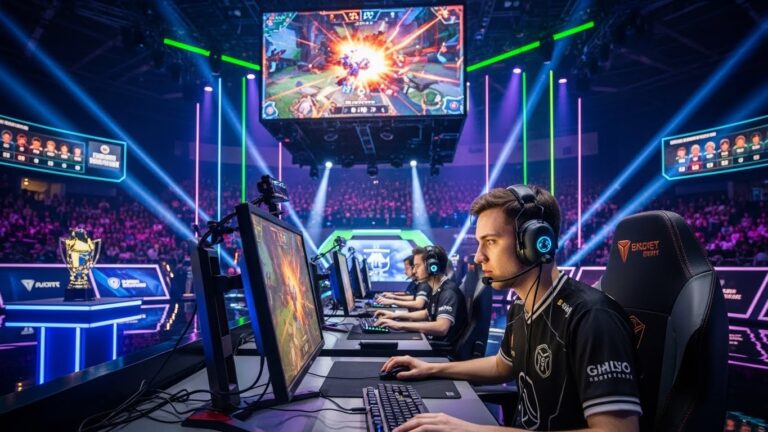
The life of a professional esports athlete is rigorous. Daily routines include practice sessions, strategy analysis, physical exercise, and mental conditioning to maintain focus and reaction time. Teams often employ coaches, analysts, and nutritionists to support player performance. Successful esports athletes earn salaries, sponsorship deals, and prize winnings that rival traditional sports players. This professionalization has created a sustainable career path for gamers and inspired a new generation to pursue competitive gaming seriously.
Popular Esports Genres and Titles
Esports encompasses a wide variety of game genres, each offering unique competitive challenges. Multiplayer online battle arena (MOBA) games such as League of Legends and Dota 2 are among the most popular, featuring strategic, team-based gameplay that emphasizes coordination and tactics. First-person shooters like Counter-Strike: Global Offensive and Call of Duty require precision, reflexes, and teamwork in fast-paced combat scenarios.
Battle royale games, including Fortnite and PUBG, have gained global popularity by combining survival strategy with intense action. Fighting games like Street Fighter and Super Smash Bros. focus on skill, timing, and individual mastery. Sports simulation games, such as FIFA and NBA 2K, bring traditional athletic competitions into a digital environment, appealing to both fans of real-world sports and competitive gaming. The diversity of genres ensures that esports attracts a broad audience with varied interests.
Streaming and Audience Engagement
One of the key drivers behind esports’ growth is the rise of live streaming. Platforms dedicated to broadcasting gameplay allow fans to watch tournaments, analyze strategies, and engage with professional players in real time. This accessibility has created a global audience that spans continents and time zones, turning esports into a shared cultural experience.
Content creation also plays a significant role. Streamers and influencers provide entertainment, tutorials, and commentary, fostering communities and encouraging interaction among fans. The combination of professional competition and user-generated content creates a vibrant ecosystem where fans are actively involved, rather than just passive viewers. This engagement has been essential in turning esports into a mainstream entertainment industry.
Esports Organizations and Competitive Structures
Professional esports relies on well-organized teams and leagues. Organizations manage players, provide coaching, negotiate sponsorships, and oversee branding efforts. Some of the largest esports organizations operate globally and maintain multiple teams across various games, establishing themselves as influential brands in the digital entertainment landscape.
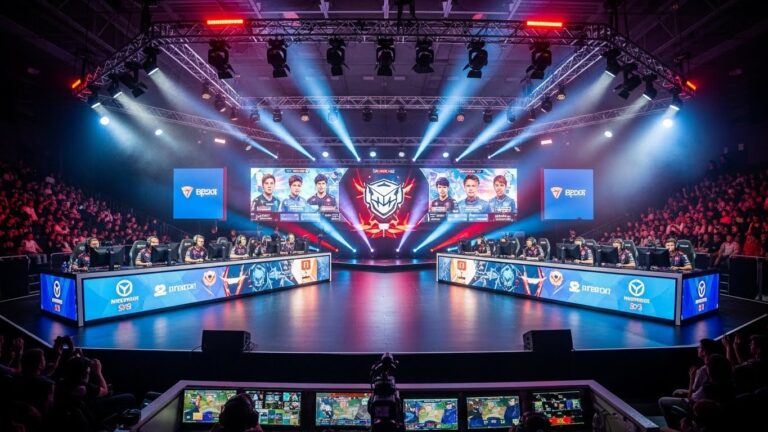
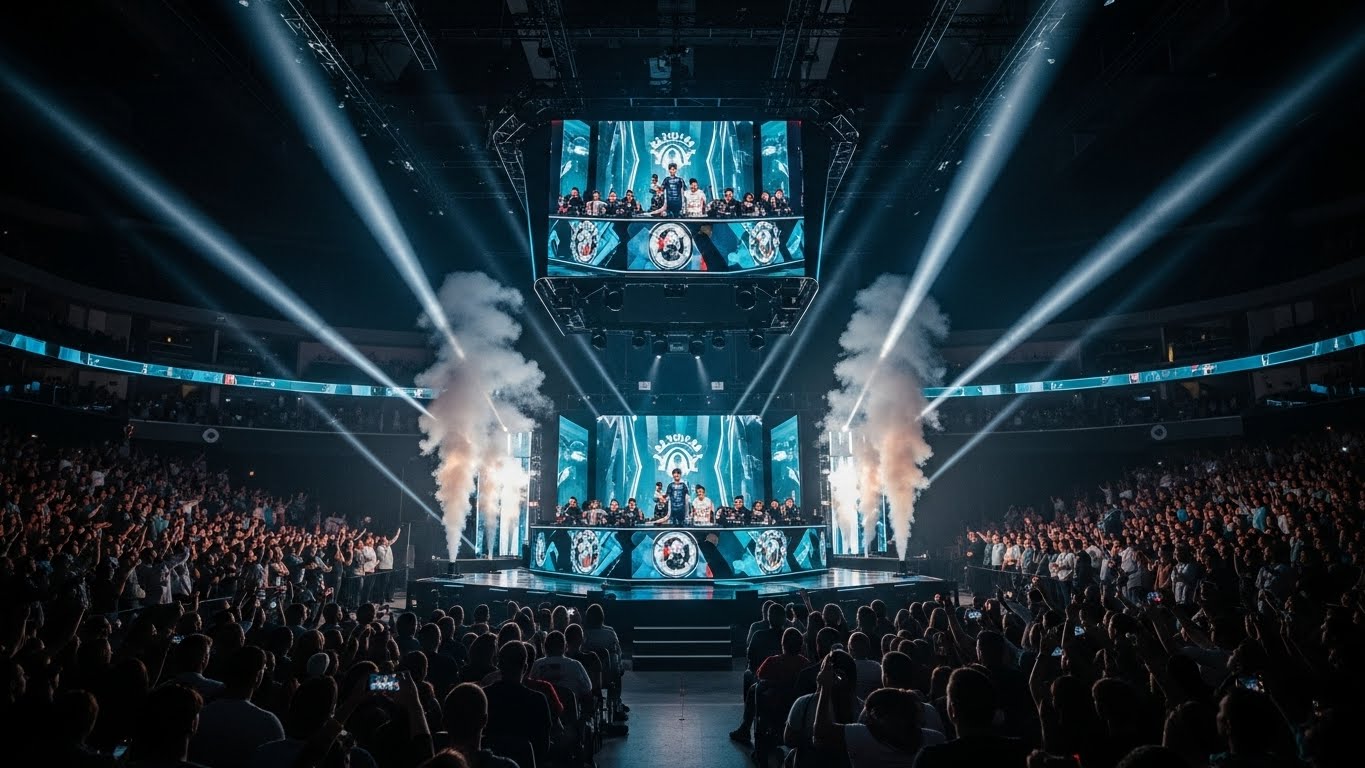
Tournaments are the lifeblood of esports. Major competitions, such as The International for Dota 2, the League of Legends World Championship, and the Fortnite World Cup, attract millions of viewers and feature multi-million-dollar prize pools. These events are meticulously planned, with live broadcasts, commentary, and fan engagement activities, elevating esports to the level of traditional sports in terms of production and audience experience.
Economic Impact and Sponsorships
Esports has grown into a multi-billion-dollar industry with diverse revenue streams. Sponsorships, advertising, merchandise, and media rights contribute significantly to the economy of competitive gaming. Major brands recognize the value of esports as a platform to reach younger, tech-savvy audiences, resulting in substantial investments in tournaments, teams, and events.
The industry also creates job opportunities beyond players, including roles in event management, broadcasting, marketing, coaching, and game development. Educational institutions are increasingly offering esports programs, preparing students for careers in this rapidly evolving field. The financial impact of esports extends beyond gaming itself, influencing technology, media, and marketing industries worldwide.
Technological Innovations Shaping Esports
Technology has been a driving force behind the evolution of esports. High-speed internet, advanced gaming hardware, and software platforms have enabled seamless competition and streaming. Virtual reality and augmented reality are beginning to influence esports, offering immersive experiences for both players and spectators.
Artificial intelligence is also playing a role, assisting in training and strategy development. AI tools can analyze gameplay, predict opponent behavior, and optimize tactics, giving teams competitive advantages. These innovations enhance the quality of esports, making gameplay more engaging and improving audience experience. As technology continues to advance, it will open new possibilities for esports growth and accessibility.
Esports in Education
Esports is increasingly intersecting with education. Schools and universities are incorporating esports programs, offering scholarships, academic courses, and career development opportunities. Students can pursue degrees in esports management, game design, broadcasting, and digital marketing, preparing them for various roles in the industry.
Participation in esports also promotes valuable skills such as teamwork, communication, strategic thinking, and problem-solving. These transferable skills are beneficial beyond gaming, contributing to personal and professional growth. By integrating esports into education, institutions provide students with unique opportunities to engage with technology and pursue innovative career paths.
Challenges and Controversies
Despite its rapid growth, esports faces several challenges. Player burnout is a significant concern, as professional athletes endure long training hours, high-pressure tournaments, and constant travel. Organizations are implementing support systems to address mental health and well-being, but this remains an ongoing issue.
Inclusivity is another challenge. Representation of women and minority groups in professional esports is limited, highlighting the need for diverse and equitable opportunities. Issues such as cheating, match-fixing, and unethical practices must also be addressed to maintain the integrity of competitions. Tackling these challenges is essential for ensuring sustainable growth and maintaining trust among players and fans.
The Future of Esports
The future of esports is filled with opportunities for innovation and expansion. Emerging technologies like virtual reality, augmented reality, and AI will continue to enhance gameplay and spectator experiences. Accessibility will increase, allowing more players and fans worldwide to participate and engage in competitions.
Esports is likely to further integrate with mainstream culture, bridging the gap between traditional sports and digital entertainment. Collaborations with media companies, social platforms, and brands will expand its reach. Professionalization of the industry will continue, creating structured career pathways for athletes, coaches, managers, and content creators. As esports grows, it will become a permanent fixture in the global entertainment and sports landscape.
Cultural Impact of Esports
Esports has become a cultural phenomenon, influencing entertainment, fashion, and lifestyle trends. Gaming conventions, tournaments, and online communities bring people together, fostering connections across geographical and cultural boundaries. Fans identify with teams and players, forming communities that transcend traditional sports fandom.
The influence of esports extends to media and entertainment, inspiring films, documentaries, and television series centered around gaming culture. Merchandise, apparel, and collectibles have become part of the esports ecosystem, blending digital and physical experiences. By shaping cultural trends, esports has proven that competitive gaming is more than just play—it is a way of life and a significant social force.
Conclusion: Esports as a Transformative Force
Esports has grown from humble beginnings into a global industry that combines competition, entertainment, and technology. Professional players, tournaments, organizations, and fans form an interconnected ecosystem that continues to expand and evolve. The industry’s impact extends beyond gaming, influencing education, technology, culture, and the global economy.
The rise of esports demonstrates the power of digital platforms to create new forms of competition, engagement, and community. As technology advances and accessibility increases, esports will continue to redefine the way we play, watch, and connect. Competitive gaming is no longer a niche pastime; it is a transformative force shaping the future of entertainment and culture.
About the Author