
Introduction
In the last two decades, the world has witnessed an extraordinary transformation in the entertainment and sports industry. Esports, short for electronic sports, has emerged as one of the most dynamic and rapidly growing forms of competition in the modern era. What started as small gaming gatherings in local cafes and community centers has evolved into a global phenomenon that fills massive arenas, attracts millions of viewers, and turns gamers into international celebrities. The evolution of Esports symbolizes not only a shift in how people play and watch games but also a redefinition of what it means to be an athlete in the digital age.
This blog delves into the fascinating journey of Esports—from its humble beginnings to its current global dominance—while exploring its culture, impact, challenges, and the promising future that lies ahead.
The Birth of Esports
The concept of competitive gaming dates back to the early days of video games. In the 1970s, when arcade machines like Pong and Space Invaders first captured the world’s attention, friendly competitions naturally followed. One of the earliest known gaming tournaments took place in 1972 at Stanford University, where students competed in the game Spacewar!. The winner was awarded a one-year subscription to a magazine, a modest prize by today’s standards, but it marked the birth of organized video game competition.
As gaming technology advanced, so did the scope of these competitions. In the 1980s, arcade tournaments began gaining popularity, especially with titles like Donkey Kong and Pac-Man. By the 1990s, with the rise of personal computers and early internet connections, multiplayer gaming became more accessible. Games like Doom and Quake introduced the concept of online deathmatches, setting the foundation for modern Esports tournaments.
The Rise of Professional Gaming
The late 1990s and early 2000s marked the turning point for Esports. The arrival of broadband internet and powerful computers enabled real-time multiplayer experiences across continents. Titles such as StarCraft, Counter-Strike, and Warcraft III became global sensations, each spawning professional players, teams, and dedicated fan communities. South Korea, in particular, became the epicenter of the Esports revolution. Televised tournaments, government support, and corporate sponsorships turned gaming into a legitimate profession.
As Esports evolved, so did its organizational structure. Leagues and governing bodies began to emerge, providing rules, rankings, and structured tournaments. The professionalization of gaming was no longer a dream but a thriving reality. Players were no longer just hobbyists—they were athletes training for hours a day, mastering strategies, and competing for life-changing prize pools.
The Growth of Esports Tournaments
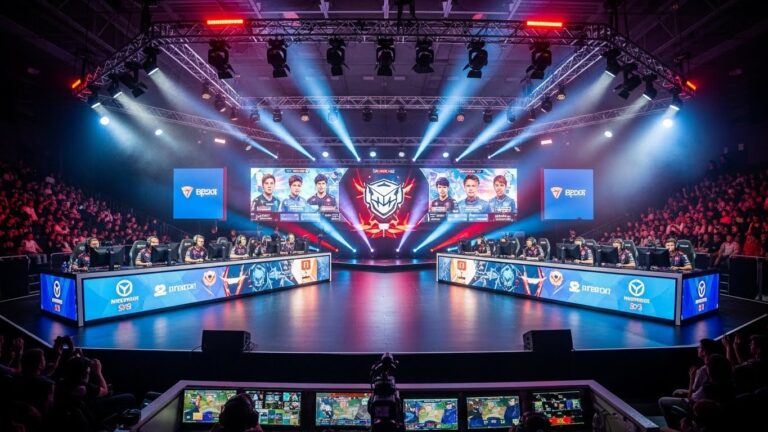
Modern Esports tournaments are grand spectacles that rival traditional sports events in scale and excitement. Major tournaments such as The International (for Dota 2), League of Legends World Championship, and Fortnite World Cup attract millions of online viewers and offer multi-million-dollar prize pools. Stadiums packed with cheering fans, elaborate light shows, and live commentary have become standard features of these events.
The International, organized by Valve Corporation, is a prime example of the exponential growth of Esports. Its first edition in 2011 had a prize pool of $1.6 million. Less than a decade later, the tournament boasted a staggering prize pool exceeding $40 million, crowdfunded largely by the gaming community. This illustrates not only the financial magnitude of Esports but also the deep passion and engagement of its fanbase.
Esports has also become a hub for brand sponsorships and advertising. Companies from diverse sectors—technology, energy drinks, apparel, and even automobile manufacturers—have invested heavily in Esports sponsorships, recognizing the young and tech-savvy audience it attracts.
The Role of Streaming and Digital Platforms
The rise of streaming platforms revolutionized Esports viewership. Platforms such as Twitch, YouTube Gaming, and Facebook Gaming made it possible for anyone, anywhere in the world, to watch professional matches, learn strategies, and follow their favorite players. Unlike traditional sports, Esports offers an interactive experience where viewers can communicate directly with streamers through live chats, donations, and community events.
Streaming also empowered individual gamers to build personal brands. Many professional Esports players started as streamers before being recruited by professional teams. The blend of content creation and competitive gaming has blurred the lines between entertainment and sports, allowing gamers to reach audiences beyond the competitive scene.
Moreover, streaming made Esports accessible to regions that previously had limited exposure to professional gaming. The global reach of these platforms has fueled diversity in the community, with teams and players emerging from countries across Asia, Europe, North America, and even Africa and South America.
The Esports Ecosystem
The Esports ecosystem is complex and multifaceted, involving various stakeholders who contribute to its growth and sustainability. At the center are the players—skilled individuals who dedicate immense time and effort to mastering their craft. Surrounding them are teams, often backed by corporate sponsors, that provide resources such as training facilities, coaches, analysts, and psychologists to ensure peak performance.
Organizers and publishers play a crucial role by hosting tournaments and maintaining the games themselves. Developers like Riot Games, Blizzard, and Valve continually update their titles, ensuring balance and competitiveness while keeping fans engaged. Additionally, broadcasters, commentators, and analysts contribute to the storytelling and entertainment aspect, making Esports more relatable and exciting for audiences.
Investors and sponsors bring financial stability to the industry, while governing bodies and associations work to standardize rules and regulations. The growing network of universities and academies offering Esports programs further demonstrates how deeply embedded competitive gaming has become in modern culture.
The Psychology and Discipline Behind Esports
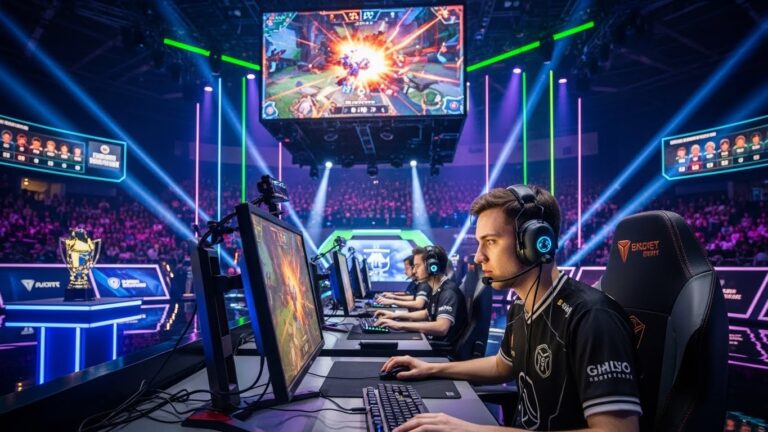
Contrary to the stereotype of gamers as casual players, professional Esports athletes follow strict training regimens. A typical Esports player spends several hours each day practicing strategies, analyzing opponents, and refining teamwork. Mental focus, reflexes, and decision-making are as critical in Esports as physical fitness is in traditional sports.
Psychological resilience is another key component. High-pressure environments, international competition, and public scrutiny demand exceptional emotional control. Teams now employ sports psychologists to help players manage stress, maintain motivation, and improve communication.
Physical health is also gaining attention. Prolonged screen time and sedentary habits can affect players’ well-being, leading many teams to include fitness routines and nutrition plans as part of training schedules. This holistic approach reflects the growing recognition of Esports as a legitimate athletic pursuit.
Esports and Education
Esports is increasingly finding its way into educational institutions. Universities around the world now offer scholarships for Esports players, much like traditional athletes. These programs not only focus on competitive gaming but also cover related fields such as game design, event management, marketing, and broadcasting.
High schools have begun forming Esports clubs, encouraging teamwork, communication, and strategic thinking. Educators recognize that gaming can cultivate valuable life skills—discipline, leadership, and collaboration. Moreover, Esports education paves the way for diverse career paths, from game development to digital content creation and beyond.
Cultural Impact of Esports
Esports has reshaped global culture by bridging the gap between gaming, entertainment, and technology. The community-driven nature of Esports has fostered inclusivity and diversity. Fans from different cultures, languages, and backgrounds unite around shared passions for specific games or teams.
Esports has also influenced fashion, music, and media. Gaming-themed apparel, collaborations with famous musicians, and cinematic tournament productions have elevated the cultural relevance of Esports. Popular culture increasingly acknowledges gaming as a mainstream form of entertainment rather than a niche hobby.
Another remarkable impact is the way Esports has created opportunities for countries to gain international recognition. Nations like South Korea, China, and Sweden have established themselves as Esports powerhouses, while emerging markets such as India, Brazil, and the Philippines are rapidly catching up.
Economic Power of Esports
The Esports industry has grown into a multi-billion-dollar enterprise. Revenue streams include tournament sponsorships, advertising, ticket sales, merchandise, and digital content. Analysts project continuous growth as global audiences expand and technology improves.
Esports has also opened avenues for new professions. Commentators, analysts, event organizers, social media managers, and digital marketers all play essential roles in sustaining the industry. The gaming industry’s overlap with Esports further strengthens its financial ecosystem, with developers benefiting from increased visibility and longevity for their titles.
Moreover, local economies benefit from Esports events. Cities hosting major tournaments experience tourism boosts, hotel bookings, and business for local vendors. Governments in several countries now invest in Esports infrastructure to attract international events, recognizing the economic potential of digital competition.
Challenges Faced by the Esports Industry
Despite its success, Esports faces several challenges. One of the most significant is maintaining player well-being. The pressure to perform, combined with long practice hours, can lead to burnout and mental fatigue. Organizations must balance competitiveness with sustainable player management.
Another issue is regulation. As Esports operates globally, establishing standardized rules regarding contracts, player rights, and age restrictions remains complex. Match-fixing, cheating, and unethical practices have occasionally tarnished the industry’s reputation, highlighting the need for transparent governance.
Accessibility also remains a challenge. While gaming has become more widespread, the cost of high-end equipment and reliable internet connections still limits participation in some regions. Bridging this digital divide is essential for truly global inclusion.
The Future of Esports
The future of Esports appears boundless. Advances in technology, such as virtual reality (VR), augmented reality (AR), and artificial intelligence (AI), promise to transform how Esports are played and experienced. Immersive environments could blur the line between digital and physical worlds, creating new types of competition.
Esports may also find its place in the Olympic Games. Discussions about including Esports as an official Olympic event are already underway, acknowledging the cultural and athletic merit of competitive gaming. Whether or not this happens soon, it reflects how far Esports has come in earning mainstream recognition.
Furthermore, the rise of mobile Esports is expanding participation globally. Games like PUBG Mobile, Mobile Legends, and Free Fire have attracted millions of players and spectators, especially in regions where mobile devices are more accessible than PCs or consoles. This mobile revolution is democratizing Esports, ensuring that talent from every corner of the world can shine.
The Human Element in Esports
Beyond the technology and spectacle, Esports is fundamentally about human connection. Behind every tournament and match are stories of passion, perseverance, and teamwork. Players dedicate their lives to mastering their games, often overcoming personal struggles and financial obstacles. Fans, in turn, build communities that celebrate these journeys.
Esports embodies the universal desire for achievement and recognition. Whether it’s a local player winning a regional event or a professional lifting a world championship trophy, every victory represents countless hours of effort, collaboration, and resilience. This emotional resonance is what keeps fans invested year after year.
Conclusion
Esports has transformed from a niche pastime into a global movement that combines technology, entertainment, and human creativity. It has redefined the boundaries of competition, connecting millions of people across the globe through shared digital experiences.
From its origins in small university tournaments to its current place on international stages, Esports represents the evolution of sports in the digital era. It continues to challenge perceptions, inspire innovation, and unite diverse communities under one powerful idea—that skill, strategy, and passion know no physical boundaries.
As technology advances and generations grow up immersed in gaming culture, the influence of Esports will only deepen. The industry’s future will be shaped by collaboration, inclusivity, and a continued commitment to excellence. Whether viewed as a sport, an art, or a cultural movement, Esports has firmly established itself as one of the defining phenomena of the 21st century.
About the Author