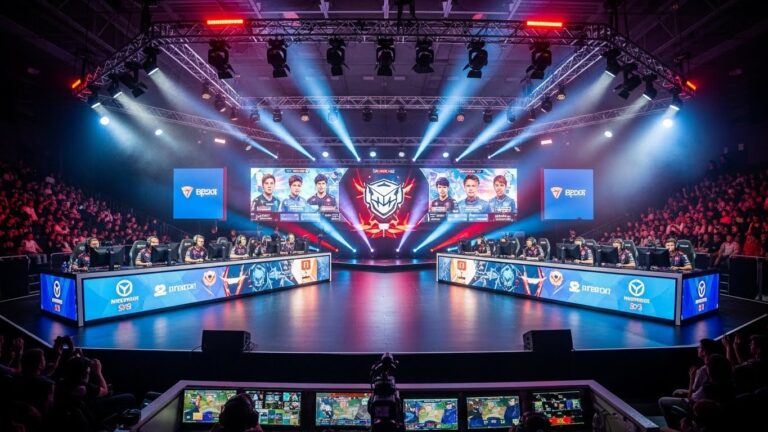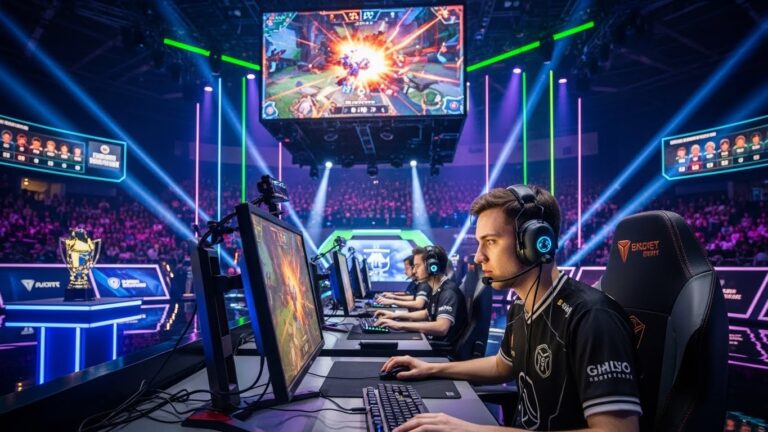

Esports, a term once limited to a niche community of competitive gamers, has blossomed into a global cultural and economic juggernaut. What started as a hobby for a small group of enthusiasts is now an industry that generates billions of dollars, attracts millions of viewers, and offers career paths for players and professionals alike. From local LAN parties to international tournaments, esports has grown at an astonishing rate, captivating fans and players across the world. This blog post explores the evolution of esports, its rise in popularity, its economic impact, and what the future holds for the world of competitive gaming.
The Birth of Esports: A Digital Revolution
The history of esports dates back to the late 20th century when multiplayer video games first allowed players to compete against each other online. In its early days, esports was a grassroots movement, with small local competitions held in community centers, internet cafes, and friends’ basements. Games like “Quake,” “StarCraft,” and “Warcraft III” were among the first to spark competitive gaming on a larger scale, laying the foundation for what would become a multi-billion-dollar industry.
By the early 2000s, several organizations began organizing esports tournaments, the most notable being the World Cyber Games (WCG) and the Electronic Sports World Cup (ESWC). These early tournaments gained a modest following and set the stage for the rapid expansion of esports in the coming decade. However, it wasn’t until the advent of streaming platforms, particularly Twitch, that esports truly began its meteoric rise.
The Role of Streaming: Twitch and the Explosion of Esports
The launch of Twitch in 2011 was a game-changer for the esports community. Twitch, a live-streaming platform dedicated to video game content, gave players the opportunity to broadcast their gameplay to an international audience. This opened up new avenues for both professional players and casual gamers to gain visibility, and it brought esports into the mainstream.
Before Twitch, esports events were primarily attended by those who could travel to the event location. However, streaming made it possible for anyone with an internet connection to watch the action unfold live, no matter where they were in the world. As the platform grew, so did the popularity of esports, with major tournaments like “The International” (Dota 2’s annual championship) and “League of Legends World Championship” attracting millions of viewers online.
Twitch’s monetization options, such as advertising, subscriptions, and donations, allowed streamers to make a living from their broadcasts. This transformed gaming from a hobby into a viable career for some. Professional players began using Twitch as a way to build their personal brands, interact with fans, and showcase their skills. By offering both a platform for entertainment and a source of income, Twitch played an essential role in the mainstream success of esports.
The Financial Landscape of Esports: Sponsorships and Prize Pools
Esports is no longer just a pastime for players. It has grown into a massive industry with a complex financial ecosystem. Sponsorships, advertising, merchandise, ticket sales, and broadcasting rights all contribute to the financial success of esports. In 2023, the global esports market was valued at over $1.3 billion, and the revenue is expected to continue growing in the coming years.
The influx of corporate sponsors has been one of the driving forces behind this growth. Companies like Intel, Coca-Cola, Red Bull, and Nike have invested heavily in esports, sponsoring tournaments, teams, and even individual players. These brands recognize the enormous potential of esports, not only as a marketing tool but also as a way to engage with a young, tech-savvy audience.
Prize pools for major tournaments have also reached staggering amounts. The International, for example, has a prize pool that regularly exceeds $30 million, funded by the community through in-game purchases and crowdfunding. These massive prize pools help attract top-tier talent from around the world and fuel the growing competitive scene.
Broadcasting rights are another key revenue stream. With esports’ growing popularity, media companies have begun securing exclusive rights to broadcast major events. Platforms like YouTube, Facebook Gaming, and traditional sports networks like ESPN have entered the esports space, offering live coverage of tournaments and esports-related content. As viewership continues to rise, the demand for exclusive media rights is expected to grow, further bolstering the industry’s financial growth.
Esports as a Career Path: The Life of a Professional Gamer
The professional esports scene is more than just the players on the stage; it’s a well-oiled machine that involves coaches, analysts, managers, broadcasters, and social media managers. For the players themselves, the life of an esports athlete is demanding, competitive, and often short-lived. The pressure to perform at a high level, day in and day out, can be intense. Like traditional athletes, esports professionals spend countless hours practicing, studying game mechanics, and preparing for tournaments.
Esports players often start their careers at a young age, and the best players can earn significant salaries. Professional teams offer salaries, sponsorship deals, and other perks to their players, with top players earning hundreds of thousands, if not millions, of dollars annually. However, the path to becoming a professional gamer is not easy. It requires immense skill, dedication, and a bit of luck.
Unlike traditional sports, where athletes may have long careers in their respective fields, esports players typically have a shorter career span. Due to the fast-paced nature of competitive gaming, players often begin to show signs of burnout or decline in their mid-20s. This has led many players to explore post-career opportunities, such as content creation, coaching, or broadcasting.
One of the most important aspects of a professional player’s career is their personal brand. In today’s esports ecosystem, being a skilled player is not enough. Successful players also need to cultivate a following on social media and streaming platforms. This allows them to connect with fans, build sponsorship deals, and maintain their relevance in an ever-changing industry.
Esports Fans: The Global Community
Esports’ growth has been fueled not just by the players but also by the passionate fanbase that supports them. Fans engage with their favorite teams and players through streaming platforms, social media, and in-person events. Major tournaments, such as the League of Legends World Championship, can fill stadiums with tens of thousands of spectators, while millions more tune in online to watch the action.
The fan experience in esports is unique. Unlike traditional sports, esports fans often have direct access to their favorite players through live streams, social media posts, and online interactions. This has created a strong sense of community among esports enthusiasts, who often form friendships and networks based on their shared love of gaming.
Esports events are also known for their electrifying atmosphere. Crowds of fans gather to watch their favorite teams compete, and the energy in the arena is palpable. Tournaments are not just about the competition; they are a celebration of gaming culture, where fans can come together to enjoy the spectacle of professional gameplay, music performances, and meet-ups with other like-minded individuals.
Esports and Traditional Sports: The Intersection of Two Worlds
Esports and traditional sports are increasingly intersecting in meaningful ways. In recent years, many traditional sports organizations have started investing in esports. For example, the NBA created the NBA 2K League, a professional esports league based on the popular NBA 2K video game franchise. Other sports leagues, such as the NFL and the EPL, have also launched esports initiatives, recognizing the enormous crossover potential between gaming and traditional sports.
Moreover, many professional athletes from traditional sports are becoming involved in esports, either as team owners, investors, or even players themselves. This crossover not only brings more attention to esports but also helps to legitimize it as a form of professional competition. With more traditional sports teams launching their own esports divisions, the lines between the two industries are becoming increasingly blurred.
Additionally, esports is starting to attract more attention from major networks and media outlets that traditionally focused on physical sports. Networks like ESPN and Fox Sports now broadcast esports tournaments, further bridging the gap between the digital and physical worlds of sports.
The Future of Esports: A Thriving Industry with Limitless Potential
Looking ahead, the future of esports is incredibly bright. Technology continues to evolve at a rapid pace, and this will undoubtedly enhance the esports experience. Virtual reality (VR) and augmented reality (AR) are two technologies that could revolutionize competitive gaming. Imagine watching an esports match in full immersive 3D or interacting with virtual environments in real-time. As VR and AR technology becomes more advanced and accessible, these types of experiences could become a regular part of esports.
The rise of mobile gaming is another key trend that will shape the future of esports. Mobile esports tournaments, which have already become hugely popular in Asia, are expected to expand to other regions as mobile devices become more powerful. Games like “PUBG Mobile” and “Arena of Valor” have already proven that competitive gaming on smartphones can attract massive audiences.
Esports will also continue to become more integrated into mainstream culture. As younger generations grow up with video games, esports will increasingly be seen as just another form of entertainment. Just as traditional sports have become an integral part of global culture, esports is on its way to becoming a ubiquitous part of the entertainment landscape.
Conclusion: Esports is Here to Stay
Esports has evolved from a small, niche activity to a global phenomenon that has captured the attention of millions around the world. From its humble beginnings in local LAN parties to its current status as a billion-dollar industry, esports has shown no signs of slowing down. With advancements in technology, the rise of mobile gaming, and increasing mainstream recognition, the future of esports looks incredibly promising. Whether you are a player, a fan, or just someone who appreciates the spectacle of competition, one thing is clear: esports is here to stay, and its impact on the world of entertainment and sports will continue to grow for years to come.
About the Author