Introduction: The Digital Arena of Modern Competition
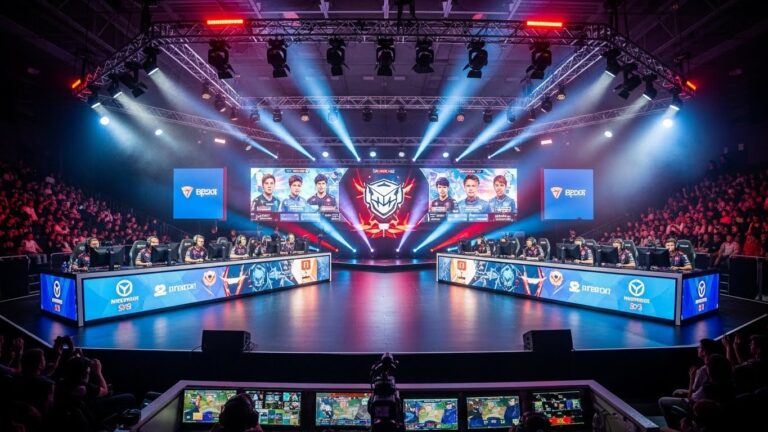
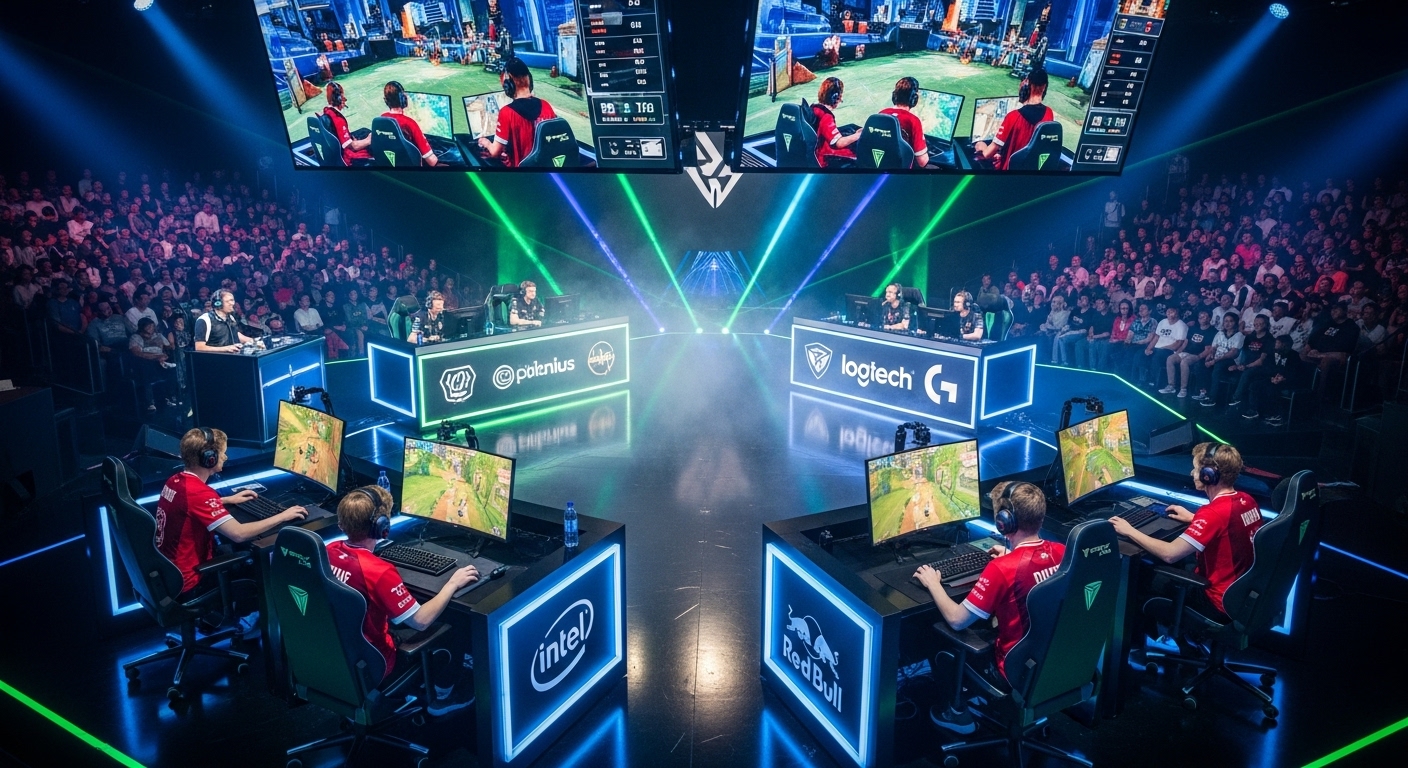
In the past two decades, esports has transformed from a niche hobby into a global phenomenon that rivals traditional sports in popularity, viewership, and cultural impact. Competitive video gaming has become more than just playing games; it is now an industry, a community, and a lifestyle. Esports tournaments fill arenas, attract millions of online viewers, and offer substantial financial rewards to top players.
Unlike traditional sports, esports exists in the digital space, combining skill, strategy, reflexes, and teamwork with modern technology. This blog explores the evolution, appeal, economic impact, societal influence, challenges, and future of esports, demonstrating why competitive gaming has become a defining force in entertainment.
The Origins of Esports
The seeds of esports were planted in the late 1970s and early 1980s with arcade competitions, where players challenged each other to achieve the highest scores in games like Space Invaders and Pac-Man. These early competitions were small in scale but showcased the potential of organized gaming.
The 1990s marked a turning point with the rise of personal computers and the internet, enabling multiplayer games and online competitions. Titles like StarCraft, Counter-Strike, and Warcraft became foundational in establishing professional gaming leagues, particularly in South Korea, which pioneered structured training, live broadcasts, and fan engagement. By the 2000s, streaming platforms allowed players and audiences worldwide to connect in real time, solidifying esports as a global phenomenon.
Why Esports Appeals to Players and Fans
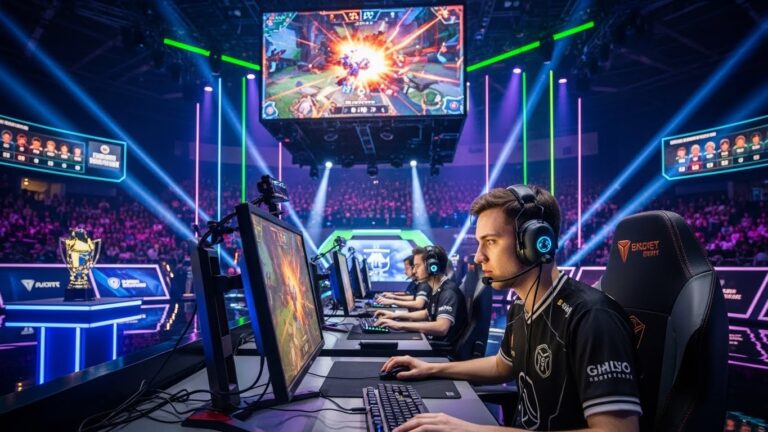
Esports appeals to both participants and spectators for several reasons. For players, competitive gaming provides an opportunity to develop skill, strategy, and reflexes. Unlike casual gaming, esports requires rigorous practice, teamwork, and mental agility. The satisfaction of mastering complex mechanics and achieving victory drives players to continuously improve.
For fans, esports offers excitement, engagement, and a sense of community. Spectators can watch live matches, interact with other fans, and follow their favorite teams or players. Streaming platforms make it possible to experience games in real time, creating a unique interactive environment that traditional sports cannot fully replicate. The combination of skill, strategy, and connectivity makes esports highly engaging.
Professionalization and Career Paths in Esports
Esports has evolved into a fully professional industry. Players compete in leagues, earn salaries, and win prize money, often gaining international recognition. Beyond players, career opportunities exist in coaching, content creation, event management, broadcasting, marketing, and analysis.
Universities and colleges now offer esports scholarships, recognizing competitive gaming as a legitimate form of talent. Professional teams invest in training facilities, physical conditioning, and mental coaching, treating esports athletes with the same professionalism as traditional sports players. The industry offers diverse pathways, proving that competitive gaming can be both a passion and a sustainable career.
Cognitive and Mental Benefits of Esports
Competitive gaming enhances numerous cognitive skills. Players develop strategic thinking, problem-solving abilities, multitasking, and quick decision-making. The fast-paced nature of games requires mental agility, focus, and adaptability.
Team-based games further promote communication, collaboration, and leadership. Players coordinate complex strategies, anticipate opponents’ moves, and adapt in real time, cultivating skills that extend beyond gaming into education, careers, and everyday problem-solving. Esports challenges the perception that gaming is purely recreational by demonstrating its cognitive and developmental value.
Community Building and Social Impact
Esports fosters global communities where players and fans connect regardless of geography. Online tournaments, forums, and streaming platforms enable interaction, discussion, and collaboration among millions of people worldwide.
The accessibility of esports allows anyone with a device and internet connection to participate. This inclusivity encourages diversity, enabling people of various ages, genders, and abilities to compete on an equal footing. The social bonds formed within esports communities strengthen relationships, create mentorship opportunities, and provide a sense of belonging that extends beyond the digital world.
Economic Influence of Esports
Esports is a multibillion-dollar industry with multiple revenue streams. Income comes from sponsorships, media rights, merchandise, ticket sales, and event organization. Major tournaments attract millions of viewers globally, creating opportunities for companies to market to a young and tech-savvy demographic.
Content creation and streaming also generate significant revenue. Popular players monetize their channels through subscriptions, donations, and sponsorship deals, creating an economy around digital presence and engagement. Local esports tournaments contribute economically by generating jobs, boosting tourism, and stimulating service industries. The financial ecosystem of esports demonstrates its significance as both entertainment and business.
Technology and the Growth of Esports
Technology is the backbone of esports. High-performance computers, gaming consoles, peripherals, and reliable internet connections enable seamless gameplay and competition. Advanced software facilitates live streaming, audience interaction, and performance analytics.
Emerging technologies like virtual reality, augmented reality, and artificial intelligence are set to redefine esports. VR can create fully immersive gaming experiences, AR may enhance strategy and training, and AI-driven tools can improve player performance and provide spectators with analytical insights. Technology continues to fuel growth and innovation in esports, making it a constantly evolving industry.
Health and Well-Being in Esports
Contrary to popular belief, esports emphasizes physical and mental wellness. Professional players collaborate with trainers, nutritionists, and psychologists to maintain performance. Regular physical activity, proper nutrition, and rest are essential for peak cognitive function and stress management.
Mental health is also prioritized, as the pressures of competition, long hours of practice, and online scrutiny can be intense. Promoting balanced lifestyles ensures that esports is sustainable, safe, and enjoyable for players at all levels. Health initiatives highlight the industry’s commitment to professional standards and long-term athlete welfare.
Challenges in the Esports Industry
Despite its rapid growth, esports faces several challenges. Player burnout and mental health pressures are significant concerns due to intense practice schedules and competition stress. Toxic behavior in online communities can negatively impact player experience and fan engagement.
Standardization and regulation remain areas of development. Without consistent rules and fair-play enforcement, competitive integrity can be compromised. Accessibility challenges in regions with limited technology infrastructure also restrict participation. Addressing these issues requires ethical governance, community moderation, and investment in global access and education.
Cultural Influence of Esports
Esports has become a cultural phenomenon, influencing music, fashion, entertainment, and media. Major tournaments are events that combine competition, performance, and storytelling. Digital personalities in esports have gained celebrity status, creating cultural icons and inspiring fan communities.
Furthermore, esports challenges traditional ideas of sports and athleticism, emphasizing mental skill, reflexes, and teamwork alongside physical performance. This broadening of competitive definitions reflects changing cultural values and elevates esports as a legitimate and respected global activity.
The Future of Esports
Esports is poised for continued growth and innovation. International competitions will expand in scope, prize money, and audience engagement. Technology will enhance gameplay, training, and viewer experiences. Education programs, scholarships, and career pathways will nurture new talent, while inclusivity initiatives ensure accessibility for all.
Esports will continue to integrate with mainstream entertainment, blending gaming with interactive media, live events, and digital storytelling. The industry’s trajectory indicates that esports is not a temporary trend but a lasting and influential part of modern culture.
Conclusion: Esports as a Transformative Force
Esports is more than entertainment—it is a global movement that shapes careers, communities, and culture. It fosters skill development, mental agility, teamwork, and global connectivity. Professionalization provides career opportunities, while fan engagement and digital communities create shared experiences that transcend geography.
As esports evolves, it will redefine competition, influence culture, and inspire generations of players and fans. It demonstrates that gaming is no longer just a pastime; it is a transformative force with the power to entertain, connect, and innovate. For millions around the world, esports represents a new era of competition, creativity, and community.
About the Author