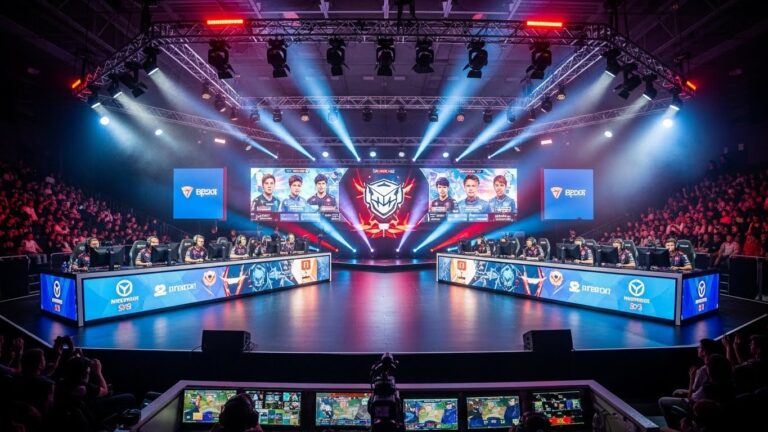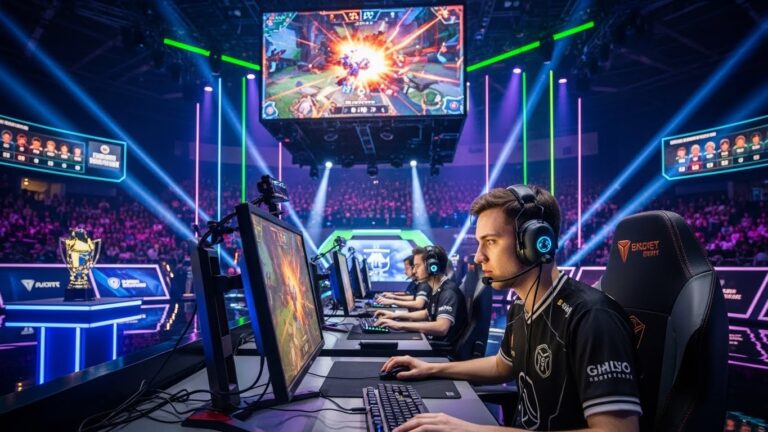

Introduction: The Unstoppable Rise of Esports
What started as a niche activity in the world of gaming has quickly become a global powerhouse. Esports, or competitive gaming, has evolved from simple online matches between friends to a multi-billion-dollar industry, captivating millions of fans worldwide. With the rapid advancement of technology and the widespread availability of high-speed internet, esports has transcended its origins, offering players and fans a dynamic digital experience. Today, esports is recognized as a legitimate form of competition, entertainment, and even a career path for many.
The Growth of Esports: From Hobby to Profession
In the early days of gaming, players often competed in small tournaments or local LAN parties. However, as technology advanced, the competitive gaming scene grew, and organized events began to take shape. Games like StarCraft and Warcraft III introduced the world to serious competitive gaming, but it wasn’t until the launch of League of Legends, Dota 2, and Counter-Strike that esports truly gained momentum. These games provided the foundation for structured, professional competition, attracting large audiences and lucrative sponsorship deals. Today, major tournaments are held in arenas with massive prize pools, and millions of viewers tune in online to watch the action unfold.
Key Games That Shaped Esports
At the heart of esports’ success is a handful of games that have helped shape the industry. League of Legends, Dota 2, Counter-Strike, and Fortnite are some of the most popular titles that dominate the competitive gaming scene. These games are not only complex and strategic but also highly engaging for viewers, offering a dynamic experience that combines skill, teamwork, and strategy. Whether it’s a 5v5 battle in League of Legends or a fast-paced shootout in Counter-Strike, these games have provided the foundation for esports tournaments that attract millions of fans worldwide.
Esports Athletes: The New Generation of Professional Competitors
Just like traditional athletes, esports players must dedicate hours to perfecting their skills. Esports athletes train intensively, often practicing for 8-10 hours a day to improve their mechanics, communication, and game knowledge. In addition to individual training, they also work closely with coaches, analysts, and psychologists to build effective strategies and manage the mental challenges of high-stakes competition. The pressure to perform is immense, as the rewards are high, with some top players earning millions of dollars in prize money and sponsorships. As the industry grows, esports athletes are starting to gain the same recognition and respect as professional sports players.
The Business of Esports: A Multi-Billion Dollar Industry
Esports is no longer just about the players—it’s also about the business behind the game. The industry has attracted major brands from diverse sectors, including technology, beverage, and apparel companies, all eager to tap into the growing esports market. Sponsorships, advertising, and media rights are driving the financial success of esports, with companies like Intel, Red Bull, and Nike partnering with top teams and tournaments. In addition, streaming platforms such as Twitch and YouTube Gaming provide the primary channels for fans to watch live gameplay, further fueling the industry’s growth. Esports events now fill stadiums, and ticket sales, merchandise, and online viewership contribute to an ever-expanding global ecosystem.
Esports and the Global Community
One of the most exciting aspects of esports is its ability to unite players and fans from across the world. Unlike traditional sports, which are often confined by geographical boundaries, esports has a truly global reach. Players from different countries and cultures come together to compete in online tournaments, while fans can watch matches from anywhere, at any time. The community that surrounds esports is vibrant and inclusive, with millions of viewers engaging in discussions, creating fan content, and building deep connections with their favorite teams and players. Social media has become a vital tool for both players and fans to interact, share content, and stay connected to the esports world.
Education and Career Opportunities in Esports
Esports has also found a place in the world of education, with universities and colleges now offering scholarships for competitive gamers. Some institutions have even built dedicated esports arenas and training facilities to nurture future talent. Beyond playing, esports also offers career opportunities in areas like event management, broadcasting, marketing, and game development. As the esports industry continues to grow, educational institutions are preparing students for a wide range of careers in the gaming world. The rise of esports as a legitimate career path has inspired young people to pursue their passion for gaming while also developing skills that can lead to successful careers in and outside of the gaming industry.
The Future of Esports: Where Do We Go From Here?
As esports continues to grow and evolve, the future looks incredibly bright. Advances in virtual reality (VR) and augmented reality (AR) are set to transform the competitive gaming experience, offering even more immersive gameplay for players and viewers alike. Esports is also likely to continue its integration with traditional sports, with major leagues and organizations recognizing the value of esports as a legitimate form of competition. We may soon see esports included in global sporting events like the Olympics, further solidifying its status as a mainstream sport. With the continued rise of mobile gaming, esports will also become more accessible, allowing a wider audience to participate and spectate.
Conclusion: Esports Is Here to Stay
Esports is not just a trend; it’s a revolution that’s changing the way we view competition and entertainment. With its global reach, diverse fanbase, and growing influence in both the digital and real worlds, esports is proving that gaming is more than just a pastime—it’s a professional sport in its own right. As the industry continues to evolve, there’s no doubt that esports will remain at the forefront of entertainment and competition for years to come.
About the Author