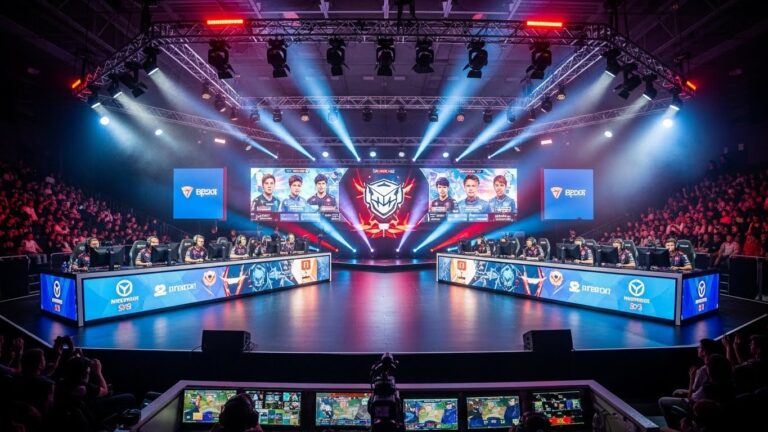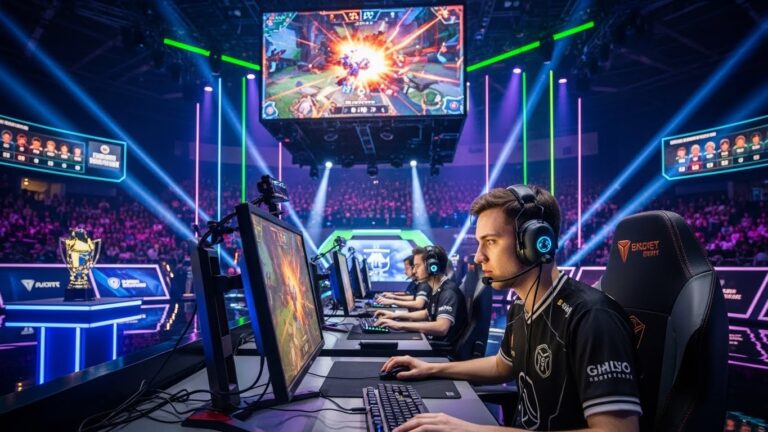
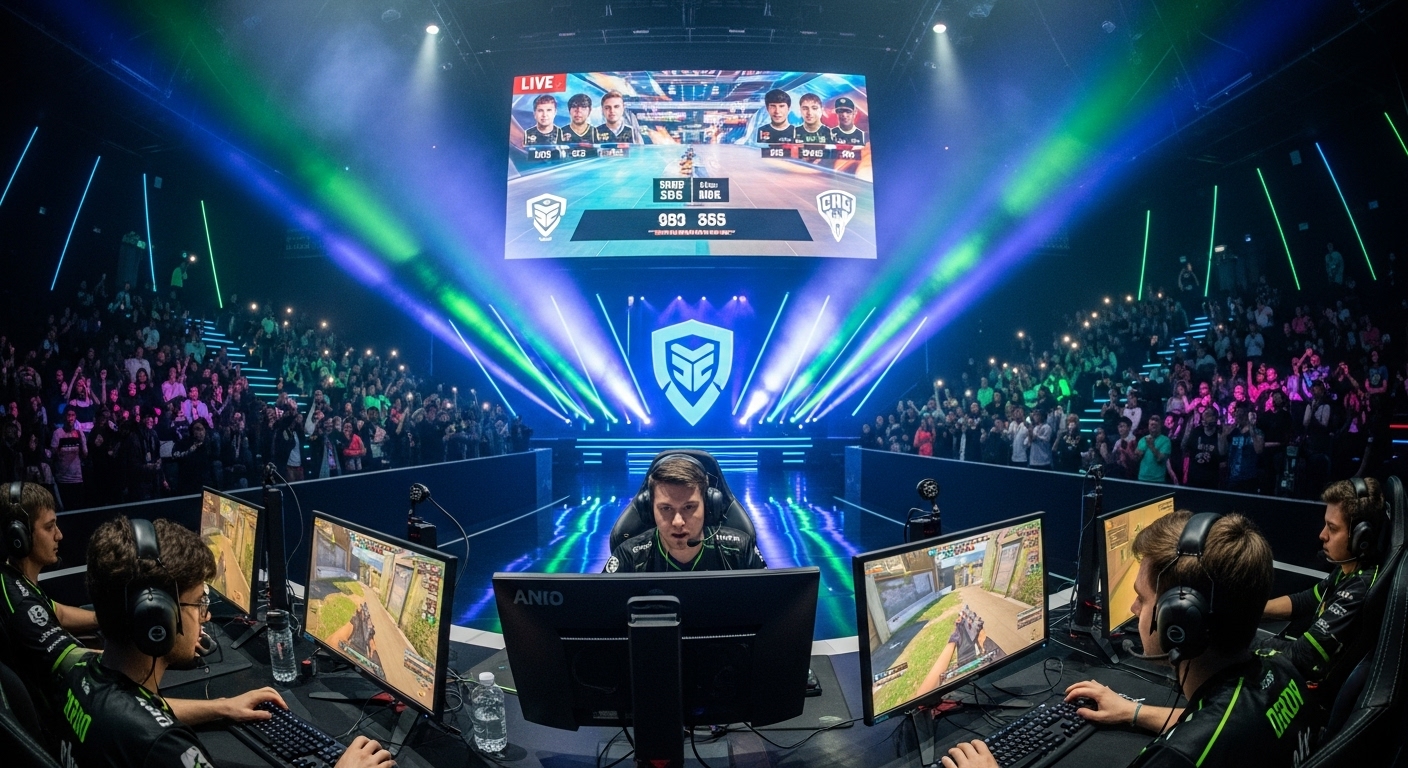
Esports, or electronic sports, has evolved from a niche hobby to a global entertainment phenomenon. What was once considered a pastime for passionate gamers has now transformed into a multi-billion-dollar industry. The rise of esports is not just a trend; it’s a revolution that is reshaping the world of sports and entertainment. With massive tournaments, huge audiences, and lucrative sponsorships, esports is making its mark on the global stage. In this blog post, we will explore the growth of esports, its impact on the traditional sports landscape, and what the future holds for competitive gaming.
The Birth of Esports
The roots of esports can be traced back to the late 20th century, but it wasn’t until the early 2000s that it began to gain real traction. Early esports competitions were small-scale events, mostly organized by gaming communities and players. One of the earliest significant milestones in esports history was the World Cyber Games (WCG), founded in 2000. This global event gave gamers a platform to compete internationally, marking the beginning of esports as a professional sport.
As internet speeds improved and online multiplayer games became more sophisticated, esports competitions grew in scale and visibility. Titles like StarCraft, Warcraft III, and Counter-Strike attracted huge followings and created the foundation for competitive gaming’s future.
The real breakthrough came with the success of League of Legends, which launched in 2009. With its engaging gameplay and free-to-play model, League of Legends quickly became one of the most popular esports titles in the world. Riot Games, the developer behind League of Legends, played a significant role in popularizing esports by creating a robust ecosystem of professional leagues, tournaments, and events.
The Explosion of Esports Viewership
As esports grew in popularity, so did its viewership. What was once a niche hobby for gamers began to attract mainstream audiences. Major esports events now fill arenas with thousands of spectators, and even more people tune in online to watch their favorite teams and players compete. The rise of Twitch, a streaming platform dedicated to gaming content, has further amplified esports’ reach. Twitch has become the go-to platform for esports fans to watch live broadcasts of tournaments, practice sessions, and gameplay analysis.
In 2020, the League of Legends World Championship reached a peak viewership of over 100 million concurrent viewers, surpassing traditional sports events like the Super Bowl. This level of engagement demonstrates the immense popularity of esports and its ability to capture the attention of audiences worldwide. In fact, some of the top esports competitions now rival major traditional sports leagues in terms of viewership, making esports a serious player in the entertainment industry.
Esports as a Career Path
As esports has evolved, it has also created new career opportunities for both players and professionals. Professional gamers now compete in major tournaments with multi-million-dollar prize pools, making it a viable career path for those who have the skill and determination to succeed. This has led to the rise of esports teams, coaches, analysts, content creators, and broadcasters.
The Overwatch League and Call of Duty League are prime examples of the growing trend of franchise-based esports leagues, similar to traditional sports leagues like the NBA and NFL. Players can sign lucrative contracts with organizations, and the leagues themselves are structured like traditional sports leagues, with teams competing in regular seasons followed by playoffs.
In addition to players, esports has also created opportunities for content creators, streamers, and influencers. Popular figures like Ninja (Tyler Blevins) and Shroud (Michael Grzesiek) have built massive followings on platforms like Twitch and YouTube, where they stream their gameplay, interact with fans, and generate income through sponsorships, ads, and donations. These content creators have become celebrities in their own right, and their influence extends far beyond the gaming world.
The Impact of Sponsorships and Big Money
One of the driving forces behind the growth of esports is the influx of sponsorships and investment from major brands. Companies like Coca-Cola, Intel, and Red Bull have recognized the potential of esports as a marketing platform and have invested heavily in the industry. Esports events are now supported by global brands that see the value in reaching a young, tech-savvy audience.
In 2020, the total value of the esports industry was estimated to be around $1.1 billion, and this number continues to grow. Sponsorships, media rights, and advertising revenue contribute significantly to the esports ecosystem. Prize pools for major tournaments can reach tens of millions of dollars, with players and teams earning substantial sums from their victories.
The rise of esports gambling is another sign of the industry’s mainstream appeal. Betting platforms now offer odds on esports matches, and some events even feature dedicated betting sections for fans. This further cements esports’ place as a legitimate form of entertainment.
The Integration of Esports into Traditional Sports
In recent years, we’ve seen a growing convergence between esports and traditional sports. Traditional sports organizations are recognizing the potential of esports and are integrating it into their operations. For example, several NBA teams, such as the Philadelphia 76ers and Dallas Mavericks, have invested in esports organizations or started their own esports divisions. Similarly, the NFL and Major League Soccer have also shown interest in esports as a way to engage younger audiences.
In 2020, the International Olympic Committee (IOC) even announced discussions about including esports in future Olympic Games. While there are still debates about the nature of competitive gaming and whether it aligns with the values of the Olympics, the IOC’s involvement demonstrates the growing recognition of esports as a legitimate and valuable part of the global sporting landscape.
The Future of Esports: What’s Next?
Looking ahead, the future of esports appears incredibly bright. As technology continues to advance, the experience of esports will only become more immersive and engaging. The rise of virtual reality (VR) and augmented reality (AR) could revolutionize the way esports is played and consumed, creating new opportunities for innovation and interaction.
One of the most exciting developments is the potential for esports to become a mainstream form of entertainment, comparable to traditional sports like football, basketball, and soccer. With its global reach, diverse fanbase, and digital nature, esports has the ability to transcend geographical boundaries and appeal to a wide range of people.
Esports is also expected to grow in terms of accessibility. As internet speeds improve and gaming hardware becomes more affordable, more people around the world will have the opportunity to participate in or watch esports. This could lead to a further democratization of the sport, with players and fans from all walks of life being able to engage in the competitive gaming scene.
The integration of esports into education is also on the horizon. Many schools and universities are already offering scholarships for talented esports players, and academic programs dedicated to esports management, marketing, and game development are becoming more common. This could help cultivate the next generation of esports professionals and enthusiasts, ensuring the long-term growth of the industry.
Conclusion: Esports is Here to Stay
The meteoric rise of esports is a testament to the changing landscape of entertainment and sports. What started as a subculture of passionate gamers has blossomed into a billion-dollar industry that continues to grow in size, scope, and influence. As esports continues to expand its global reach, it will inevitably impact the way we perceive sports and entertainment.
Whether you’re a die-hard fan or a casual viewer, one thing is certain: esports is here to stay. As technology advances, sponsorships increase, and new talent emerges, the future of competitive gaming looks brighter than ever. The world is watching, and esports is ready to take center stage.
About the Author