
Introduction
Esports has grown from a niche hobby into a global phenomenon, redefining the concept of sports and entertainment in the digital age. What began as small communities of gamers competing in local tournaments has now evolved into a multi-billion-dollar industry with professional teams, international championships, and massive audiences watching online and in arenas. Esports represents the convergence of technology, strategy, competition, and entertainment, offering opportunities for players, developers, and fans alike.
The rise of esports is more than just the popularity of video games. It is a cultural shift that reflects changing forms of social interaction, entertainment, and professional achievement. Players dedicate themselves to rigorous training schedules, teams operate like traditional sports organizations, and tournaments draw crowds comparable to major sporting events. In this blog, we will explore the world of esports, tracing its origins, evolution, cultural impact, and the future of competitive gaming.
The Origins of Esports
The roots of esports trace back to the 1970s and 1980s when video games began gaining popularity. Early competitions, such as Space Invaders tournaments, provided a platform for players to demonstrate skill and creativity. These events were small, often limited to arcades or local gatherings, but they laid the foundation for competitive gaming.
The 1990s saw the rise of PC gaming, particularly with strategy and first-person shooter games. Titles like StarCraft in South Korea and Quake in the United States established competitive communities and leagues. Internet connectivity allowed players to compete online, creating new opportunities for regional and global interaction. These early competitions demonstrated that gaming could be more than casual entertainment—it could be a serious, skill-based pursuit.
The Evolution of Esports Tournaments
Esports tournaments have evolved dramatically over the past two decades. In the early 2000s, events were mostly organized by game developers or small communities. Prize pools were modest, and audiences were limited to those attending in person or watching early streaming platforms.
The growth of streaming technology and platforms such as Twitch and YouTube Gaming revolutionized how fans consumed esports content. Matches could now be broadcast live to millions of viewers worldwide, increasing visibility and accessibility. Major tournaments, such as The International for Dota 2, League of Legends World Championship, and Fortnite World Cup, introduced multi-million-dollar prize pools and attracted international attention.
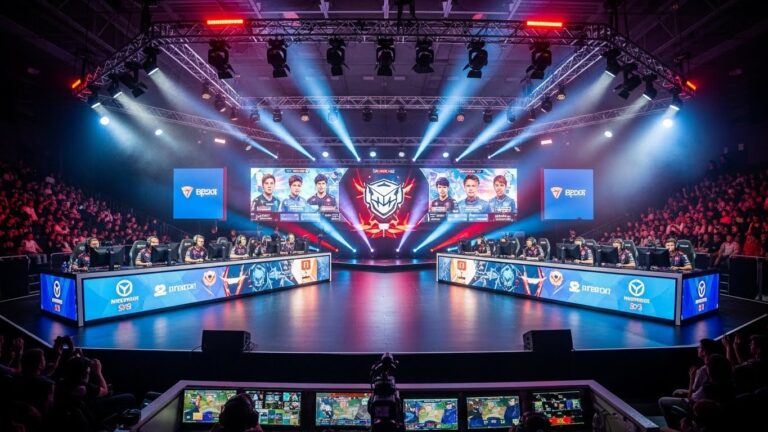
Modern esports tournaments resemble traditional sports events, with elaborate stage setups, professional commentary, and sponsorships from global brands. Spectators enjoy the thrill of competition while connecting with a community of fans, fostering engagement that extends beyond the game itself.
Professionalization of Esports
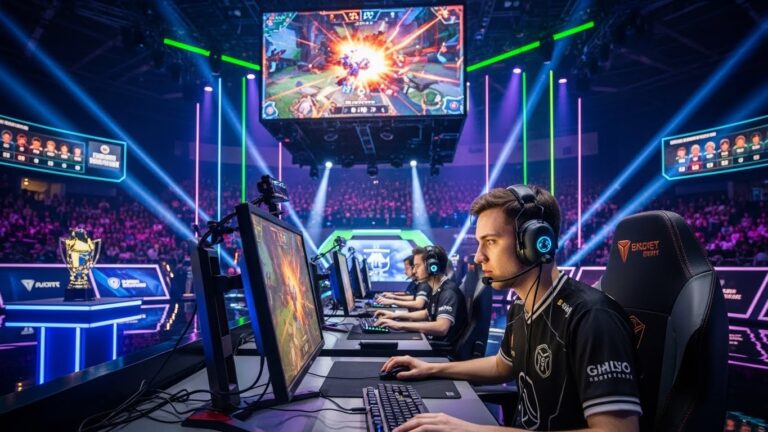
Esports has become highly professionalized, with players training rigorously and teams operating with structured management. Professional players follow strict schedules, including hours of practice, physical training, strategy sessions, and mental conditioning. The level of skill required rivals that of traditional sports, demanding precision, reflexes, teamwork, and strategic thinking.
Teams and organizations now function like traditional sports franchises. They have coaches, analysts, managers, and support staff dedicated to optimizing performance. Sponsorships, merchandise, and media rights contribute to the financial sustainability of these organizations. This professionalization has helped elevate esports to a legitimate career path, attracting talent from around the world and inspiring younger generations to pursue competitive gaming.
Popular Esports Games
The esports ecosystem is diverse, encompassing multiple genres and communities. Multiplayer online battle arenas (MOBAs) like League of Legends and Dota 2 dominate the competitive scene with complex strategies, team coordination, and long-term tournaments. First-person shooters such as Counter-Strike: Global Offensive, Valorant, and Call of Duty emphasize reflexes, precision, and tactical execution.
Battle royale games, including Fortnite and PUBG, combine strategy, survival, and fast-paced action, attracting a younger demographic. Sports simulations like FIFA and NBA 2K provide virtual representations of traditional sports, allowing fans to compete digitally. Each genre caters to different play styles, fostering unique communities and fan cultures.
The diversity of games ensures that esports appeals to a wide range of audiences, encouraging participation and viewership across age groups, regions, and interests.
The Role of Streaming in Esports Growth
Streaming platforms have been instrumental in the rise of esports. Twitch, YouTube Gaming, and other services enable live broadcasts of competitions, player streams, and interactive content. Viewers can watch professional tournaments, learn strategies from top players, and engage with the community through chat features.
Streaming also provides opportunities for amateur players to gain recognition. Talented individuals can build followings, attract sponsorships, and potentially transition to professional careers. This accessibility democratizes the esports ecosystem, allowing more people to participate and contribute to its growth.
Additionally, streaming has transformed the spectator experience. Fans can access matches anytime, watch multiple angles, and interact with commentators and players. This interactivity strengthens fan loyalty and creates a dynamic, immersive environment for competitive gaming.
Cultural Impact of Esports
Esports has had a profound impact on global culture. It has challenged traditional notions of sports, proving that competitive video gaming requires skill, strategy, and dedication. It has also influenced fashion, language, and social interaction, with gaming terminology and culture permeating mainstream media.
The rise of esports has fostered international communities where players and fans from different backgrounds connect. Online forums, social media groups, and fan events create spaces for discussion, collaboration, and shared excitement. Esports has become more than a game—it is a cultural movement that promotes inclusion, teamwork, and innovation.
Esports has also influenced education and career opportunities. Universities now offer esports programs, scholarships, and courses on game design, management, and strategy. These initiatives recognize competitive gaming as a legitimate skill and provide pathways for professional development within the industry.
Economic Impact of Esports
The esports industry generates billions of dollars annually, encompassing sponsorships, merchandise, ticket sales, streaming revenue, and media rights. Major tournaments attract global brands, ranging from technology companies to beverage and apparel sponsors. Advertising and marketing partnerships contribute significantly to the financial ecosystem, ensuring sustainability and growth.
Esports also drives technological innovation. Companies invest in high-performance hardware, gaming peripherals, and streaming technology to support competitive play. This investment has broader implications for computing, graphics, and interactive media, benefiting multiple sectors beyond gaming.
The economic impact extends to job creation as well. Professional players, coaches, analysts, event organizers, content creators, and marketing professionals all contribute to a thriving global industry. As esports continues to expand, it becomes a significant contributor to the digital economy.
Challenges Facing Esports
Despite its rapid growth, esports faces several challenges. Player burnout is a common issue due to long practice hours and high-pressure environments. Mental health concerns are increasingly recognized, prompting organizations to prioritize support and wellness initiatives.
Regulatory challenges also exist. Ensuring fair play, managing cheating, and establishing standardized rules across different games and regions remain complex issues. The rapid pace of technological change can create disparities in access, favoring regions with advanced infrastructure.
Additionally, the perception of esports varies globally. While some countries embrace competitive gaming as a legitimate profession, others still view it as a hobby. Education, awareness, and media representation play a crucial role in shaping public perception and acceptance.
The Future of Esports
The future of esports is bright and full of potential. Technological advancements such as virtual reality, augmented reality, and AI will enhance gameplay, training, and spectator experiences. VR and AR could create fully immersive competitions, while AI-driven analysis can help players refine strategies and performance.
Esports will continue to integrate with mainstream culture. Crossovers with traditional sports, entertainment, and media will create hybrid experiences, attracting broader audiences. International collaborations, global tournaments, and professional leagues will strengthen the industry’s credibility and sustainability.
Accessibility and inclusivity will be central to esports’ growth. Initiatives promoting diversity, gender equality, and participation from underrepresented communities will expand the player base and enrich the culture of competitive gaming. Esports will evolve as a global platform for creativity, skill, and cultural exchange.
Conclusion
Esports has transformed from a niche pastime into a global cultural and economic force. It represents a fusion of competition, technology, and entertainment, attracting millions of players and fans worldwide. Through tournaments, streaming, and community engagement, esports has created a new form of social interaction, professional opportunity, and cultural expression.
The rise of esports reflects broader societal trends, including digital connectivity, technological innovation, and the desire for interactive experiences. It has challenged traditional concepts of sports, expanded career possibilities, and created global communities united by shared passion.
As esports continues to evolve, it will remain a dynamic, influential, and inspiring phenomenon. The industry’s future promises innovation, inclusivity, and global collaboration, ensuring that competitive gaming continues to captivate audiences and shape the world of entertainment for years to come.
Esports is more than a game—it is a revolution, a culture, and a testament to the power of human creativity, strategy, and connection in the digital era.
About the Author