Introduction
Over the last two decades, the world has witnessed an unprecedented transformation in how people view competition, entertainment, and technology. Among the many revolutions of the modern digital age, one of the most fascinating and rapidly growing phenomena is esports. What was once dismissed as a niche activity for passionate gamers has evolved into a multibillion-dollar global industry that rivals traditional sports in popularity, viewership, and cultural impact. Esports is not just a game; it is a reflection of how human competition has adapted to the digital age.
The Origins of Esports
To understand the modern success of esports, it is essential to look back at its humble beginnings. Competitive gaming first began in the early 1970s when computer labs in universities hosted small-scale tournaments. The first widely recognized gaming competition took place at Stanford University in 1972, where students played “Spacewar” for a year’s subscription to a popular magazine.
During the 1980s, the gaming landscape began to evolve with the rise of arcade games like “Pac-Man,” “Donkey Kong,” and “Space Invaders.” Arcades became social hubs for young people, and high-score competitions began to shape the early culture of competitive gaming. It was a time when leaderboard bragging rights were the equivalent of medals and trophies. However, the technology of that era limited the scope of esports to local competitions.
The 1990s: The Birth of Organized Competitive Gaming
The 1990s marked the true beginning of esports as organized competitions began to gain recognition. The release of multiplayer games like “Doom,” “Quake,” and “StarCraft” revolutionized how gamers could compete. With the advent of the internet, players were no longer confined to competing in the same room. They could now challenge opponents across the globe.
The Cyberathlete Professional League (CPL), founded in 1997, became one of the first major organizations to host global esports tournaments. Games like “Counter-Strike,” “Warcraft III,” and “Unreal Tournament” became the foundation for professional-level play. Around the same time, South Korea emerged as the epicenter of esports, largely due to its advanced internet infrastructure and cultural enthusiasm for technology. Korean players became icons, and the government even supported esports by recognizing it as an official sporting activity.
The 2000s: The Era of Online Platforms and Global Expansion
With the rise of broadband internet and online gaming platforms in the early 2000s, esports began to flourish on a larger scale. Games such as “League of Legends,” “Dota,” and “Counter-Strike: Source” created global communities. Streaming platforms like YouTube and later Twitch allowed millions of fans to watch live matches from anywhere in the world. This new accessibility transformed esports into a spectator sport.
Professional tournaments began offering massive prize pools. The World Cyber Games and the Electronic Sports World Cup gained international fame, drawing players from every continent. Esports organizations, sponsorships, and dedicated teams began to form, turning gaming into a legitimate profession. Players were no longer seen as hobbyists; they became athletes, celebrities, and influencers in their own right.
The 2010s: Esports Enters the Mainstream
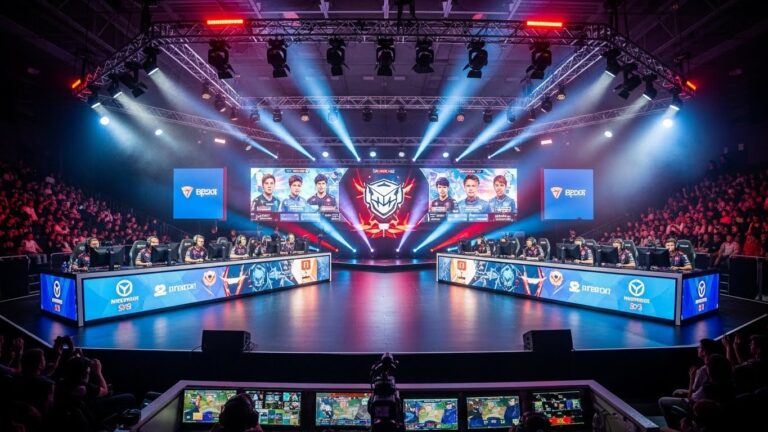
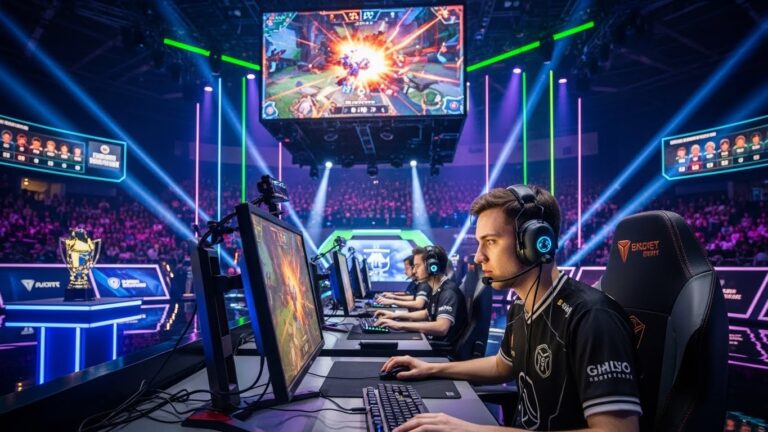
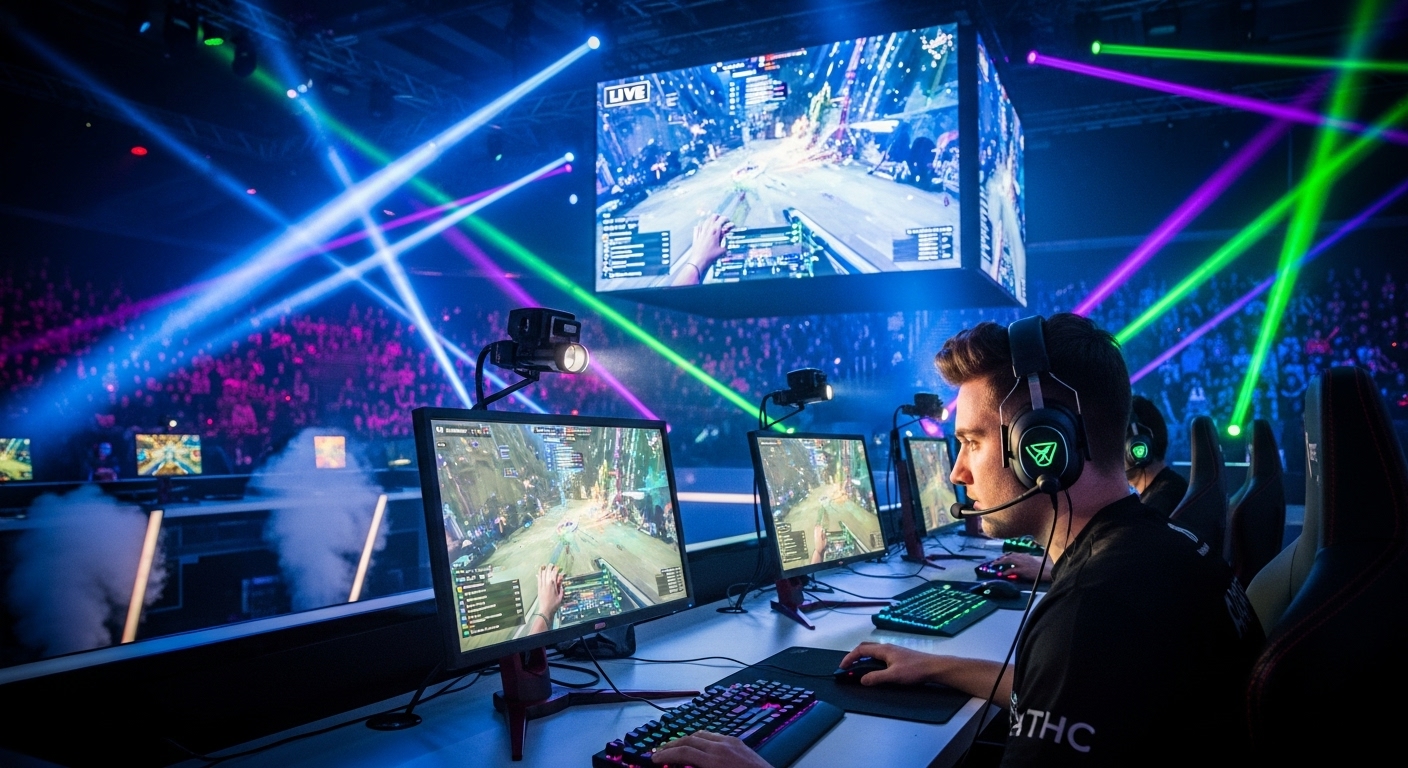
The 2010s can be described as the golden era of esports. The decade witnessed explosive growth in both audience and investment. Major tournaments such as The International for “Dota 2” and the League of Legends World Championship attracted viewership that rivaled traditional sporting events like the Super Bowl. Stadiums filled with cheering fans, LED screens lit up with spectacular visuals, and commentators brought the games to life.
Game publishers began to recognize the potential of esports as a marketing powerhouse. Riot Games, Valve, Blizzard, and others invested heavily in competitive ecosystems. Players and teams gained sponsorships from major brands such as automobile companies, energy drinks, and tech giants. Universities even began offering scholarships for esports athletes, just as they did for traditional sports.
This period also saw the rise of streaming stars. Personalities who played competitively or simply entertained audiences with their gaming skills became global icons. The boundaries between gaming, entertainment, and social media began to blur.
The Structure of Modern Esports
Modern esports mirrors traditional sports in many ways. Teams have coaches, analysts, and managers. Players undergo rigorous training schedules, strategizing sessions, and even physical fitness routines to maintain their reflexes and mental sharpness.
Leagues and tournaments are structured with seasonal formats, playoffs, and championships. Esports titles like “Valorant,” “Overwatch,” “Call of Duty,” and “Fortnite” each have their own ecosystems. Esports organizations recruit players from around the world, often signing them to exclusive contracts. Some teams operate from advanced training facilities equipped with state-of-the-art hardware and mental health support.
The Role of Technology in Esports Growth
Esports is deeply intertwined with technological progress. High-speed internet, powerful graphics cards, virtual reality, and advanced streaming tools have all contributed to its evolution. Cloud gaming and 5G networks promise to make esports even more accessible in the coming years.
Artificial intelligence is now being used to analyze gameplay, helping teams optimize their strategies. Data analytics, once a feature exclusive to traditional sports, is now central to esports coaching. Spectator experiences have also improved dramatically, with augmented reality and immersive replays offering fans a cinematic view of matches.
The Global Impact of Esports
Esports has transcended borders and cultures. It has brought together millions of players from different languages, nations, and backgrounds, uniting them through digital competition. Events like the Asian Games have even included esports as a medal event, marking a significant milestone in the recognition of competitive gaming as a legitimate sport.
In many countries, esports has created new economic opportunities. It has generated jobs not only for players but also for event organizers, commentators, game developers, marketers, and content creators. Streaming platforms have become lucrative career avenues for many young individuals who aspire to turn their passion for gaming into a sustainable livelihood.
Esports and Education
The influence of esports has also extended into education. Schools and universities around the world have started integrating esports programs to teach teamwork, communication, leadership, and strategic thinking. Institutions are recognizing that gaming can develop skills relevant to many professional fields, from business management to software development.
Collegiate esports tournaments are now common, and scholarships are awarded to talented gamers. This has opened up new pathways for students who might not excel in traditional athletics but shine in the digital arena.
Cultural Perception and Acceptance
There was a time when gaming was viewed as a solitary or unproductive activity. However, that perception has shifted drastically. Esports has gained respect as a legitimate form of entertainment and competition. Families now support young players in pursuing professional gaming careers, understanding that esports requires discipline, strategy, and creativity.
The popularity of esports has also influenced mainstream media. Movies, documentaries, and television series explore the stories of professional players, highlighting the dedication and challenges they face. Esports celebrities are invited to talk shows and media events, further solidifying their place in popular culture.
The Psychological and Physical Demands of Esports
Contrary to common belief, esports athletes endure intense mental and physical stress. Competitive gaming requires rapid reflexes, concentration, and hand-eye coordination. Players often train for 8 to 10 hours daily, studying game mechanics and opponent strategies.
Mental fatigue, burnout, and stress are major challenges in the esports community. Many organizations now employ psychologists and physical trainers to ensure the well-being of their players. Ergonomics, diet, and regular exercise have become vital parts of a professional gamer’s lifestyle.
Economic Power and Sponsorships
The global esports industry has surpassed billions in annual revenue. Sponsorships and advertising play a significant role in this growth. Companies see esports as a gateway to younger audiences who spend more time online than watching television.
In addition to sponsorships, ticket sales for live events, merchandise, and streaming partnerships contribute to the economy. Esports teams have become brands of their own, selling jerseys, accessories, and digital collectibles to loyal fans. Some organizations even collaborate with fashion designers to release limited-edition clothing lines, merging gaming with lifestyle culture.
The Social Influence of Esports
Esports has had a profound social impact, particularly among youth. It promotes community engagement, inclusivity, and digital literacy. Online gaming communities allow people to connect, share experiences, and learn teamwork. However, it has also faced challenges such as toxicity, harassment, and cheating. The industry continues to work toward creating a healthier and more inclusive environment for all players.
Moreover, esports has inspired charitable initiatives. Many tournaments and streamers organize fundraising events for global causes, showing that gaming can be a platform for positive change.
Women in Esports
While esports has traditionally been male-dominated, recent years have seen a growing number of women making their mark. Female gamers, commentators, and content creators are gaining visibility and respect within the community. Organizations are actively promoting inclusivity by hosting women-only tournaments and supporting female-led teams.
This shift toward diversity is essential for the future of esports. Representation encourages more women to participate, ensuring that the industry grows in a balanced and equitable way.
The Future of Esports
Looking ahead, esports shows no signs of slowing down. With advancements in virtual reality, artificial intelligence, and blockchain technology, the next decade promises new ways to play and engage. Virtual reality tournaments could redefine immersion, while decentralized gaming economies may give players more control over in-game assets and earnings.
The integration of esports into education, entertainment, and even the Olympics is a possibility many experts predict. As technology evolves, so too will the competitive gaming experience, creating new opportunities for innovation and creativity.
Conclusion
Esports has transformed from small arcade competitions into a global phenomenon that reshapes entertainment, technology, and culture. It symbolizes how human competition evolves with innovation, proving that passion and skill can thrive in any arena—physical or digital.
The story of esports is not merely about video games; it is about community, ambition, and the limitless potential of technology to connect people across the globe. Whether it is a teenager competing from their bedroom or professionals battling on stage in front of thousands, esports represents the spirit of modern competition. It continues to break barriers, redefine possibilities, and inspire a new generation that sees no limits in the digital world.
About the Author