Introduction
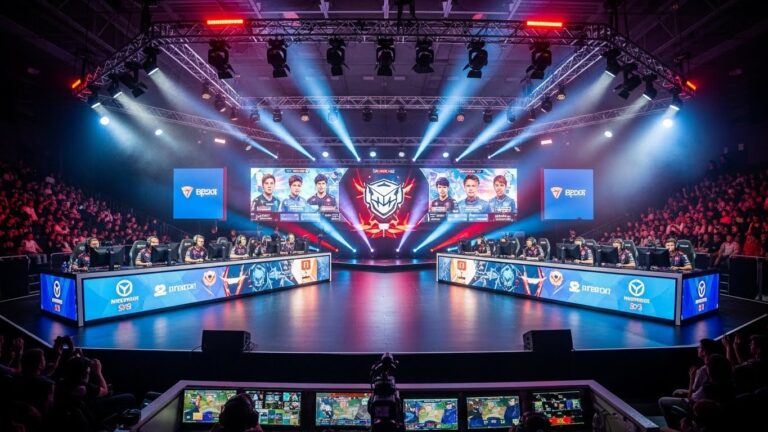
Once dismissed as a hobby for teenagers in dimly lit bedrooms, video gaming has evolved into a billion-dollar global industry that rivals traditional sports in scale, audience, and impact. This transformation gave birth to what we now call Esports, short for electronic sports — organized, competitive video gaming at a professional level. Over the last two decades, Esports has moved from small local LAN tournaments to sold-out arenas, international sponsorships, and even televised events.
Today, Esports is not just about gaming; it’s a movement, a culture, and a legitimate career path for thousands of players around the world. In this blog, we will explore the fascinating world of Esports — its origins, growth, popular games, economics, influence on culture, and the bright future that lies ahead.
The Origins of Esports
The concept of competitive gaming is not new. The roots of Esports can be traced back to the early 1970s when the first known video game competition, the “Intergalactic Spacewar Olympics,” was held at Stanford University in 1972. The participants competed in the classic game Spacewar!, and the winner received a year’s subscription to Rolling Stone magazine.
Through the 1980s, gaming competitions slowly began to gain traction as arcade machines became popular. Titles like Pac-Man and Donkey Kong sparked friendly rivalries among players aiming for high scores. The 1990s marked a key turning point with the rise of the internet and multiplayer gaming. Games like Quake, Counter-Strike, and StarCraft gave players the ability to compete across cities and continents, laying the foundation for the Esports scene we know today.
The year 2000 was particularly significant because it marked the birth of major Esports organizations and tournaments such as the Cyberathlete Professional League (CPL) and Major League Gaming (MLG). South Korea, in particular, embraced Esports early, recognizing its potential. Television channels began broadcasting StarCraft matches, and professional players gained celebrity status.
The Explosion of Esports in the 2010s
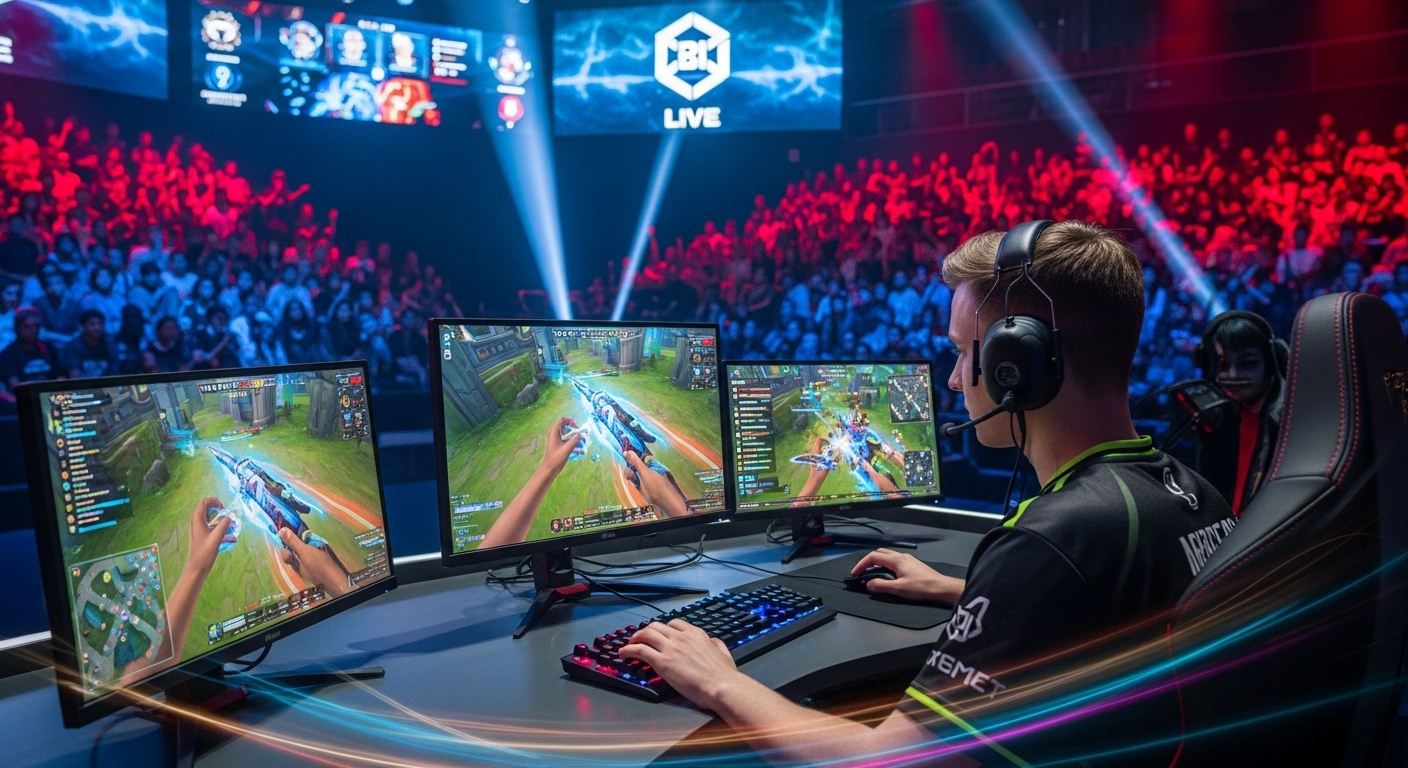
The 2010s can be described as the decade when Esports truly exploded into the mainstream. With the rise of broadband internet, HD streaming, and platforms like Twitch and YouTube Gaming, Esports found a massive online audience.
Games such as League of Legends, Dota 2, and Counter-Strike: Global Offensive became the cornerstones of the competitive gaming world. Massive tournaments like The International for Dota 2 and the League of Legends World Championship attracted millions of viewers and offered prize pools worth tens of millions of dollars.
Sponsors and investors soon followed. Major brands — including those from outside the gaming industry — saw the marketing potential of Esports. Companies in the fields of energy drinks, technology, fashion, and even automobile manufacturing began sponsoring teams and events. What started as a niche hobby was now a global entertainment powerhouse.
Popular Esports Titles
Esports covers a wide variety of games, each with its own fanbase, competitive structure, and strategies. Here are some of the most influential Esports titles that have shaped the industry:
1. League of Legends
Developed by Riot Games, League of Legends (LoL) is a multiplayer online battle arena (MOBA) game released in 2009. It quickly became one of the most played and watched games in the world. Its annual World Championship features professional teams from multiple regions, representing the pinnacle of competitive gaming.
2. Dota 2
Valve’s Dota 2 is another MOBA giant, known for its deep strategy, complex gameplay, and enormous prize pools. The International, its premier annual event, often sets records for the largest Esports prize pools ever seen.
3. Counter-Strike: Global Offensive
Commonly known as CS:GO, this tactical first-person shooter is a veteran of the Esports world. It combines teamwork, precision, and quick thinking. Its professional scene is massive, with major tournaments like the ESL One and the PGL Major drawing millions of viewers.
4. Fortnite
When Fortnite launched its battle royale mode in 2017, it reshaped gaming culture. Beyond its casual player base, Fortnite built a thriving competitive scene. The 2019 Fortnite World Cup awarded millions of dollars to top players, demonstrating the financial might of modern Esports.
5. Valorant
A newer entry by Riot Games, Valorant combines the gunplay of CS:GO with the character abilities of hero shooters. Within just a few years, it became a global Esports sensation, especially in regions like North America and Asia.
6. Call of Duty
The Call of Duty franchise has long been a staple of competitive gaming, with professional leagues and city-based teams across North America and Europe. Its consistent popularity and yearly releases keep fans engaged.
7. Mobile Legends and PUBG Mobile
In recent years, mobile Esports have exploded, especially in Asia, Africa, and Latin America. Titles like Mobile Legends: Bang Bang and PUBG Mobile have massive audiences, proving that Esports isn’t limited to PC and console gamers anymore.
The Esports Ecosystem
Esports is not just about players and games; it’s an entire ecosystem involving numerous roles and industries. Let’s break down some of the key components.
Players and Teams
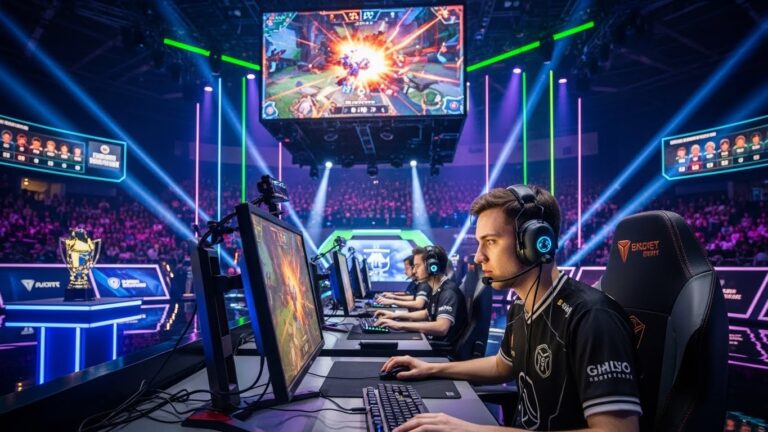
At the heart of Esports are the players — individuals who dedicate countless hours to mastering their craft. Professional players often join organized teams, much like in traditional sports. These teams have coaches, analysts, and managers who work together to ensure peak performance.
Tournament Organizers
Organizations such as ESL, DreamHack, Blast Premier, and Riot Games are responsible for hosting and managing Esports tournaments. They handle logistics, production, sponsorships, and broadcasting.
Streamers and Content Creators
While not always part of the professional competitive scene, streamers and content creators play a major role in promoting games and connecting with the community. Platforms like Twitch and YouTube allow fans to watch live matches, tutorials, and casual gameplay.
Sponsors and Brands
Sponsorships are the financial backbone of Esports. Brands see value in the industry’s young, tech-savvy audience. Sponsorship deals often cover equipment, travel expenses, and team salaries.
Fans and Communities
Esports thrives on its passionate community. Fans follow teams, participate in online discussions, attend live events, and even purchase team merchandise. Social media plays a huge role in building connections between players and their supporters.
The Business of Esports
The Esports industry has grown into a multi-billion-dollar business. The global Esports market is projected to keep expanding due to media rights, sponsorships, advertising, and merchandise sales.
Teams are run much like traditional sports franchises, with salaries, training facilities, and staff. Some of the biggest Esports organizations — such as Team Liquid, Cloud9, and FaZe Clan — are valued in the hundreds of millions.
Media rights are another major source of income. Esports tournaments are streamed across multiple platforms, generating ad revenue and viewership similar to major sports events. Additionally, game developers benefit financially through increased game sales, microtransactions, and branding opportunities tied to competitive play.
Esports and Education
One of the most fascinating developments in recent years is the integration of Esports into education. Schools and universities across the world are establishing Esports programs, clubs, and even scholarships.
Students learn not only the technical and strategic aspects of gaming but also teamwork, leadership, and communication. Esports also opens doors for careers in fields like broadcasting, marketing, game design, and event management.
Some universities now offer full-ride scholarships for talented players, treating them just like athletes in traditional sports programs.
The Cultural Impact of Esports
Esports is more than a pastime — it has reshaped entertainment, culture, and social interaction. It has bridged gaps between countries, languages, and generations.
Events like the League of Legends World Championship or The International attract fans from every corner of the globe, creating a shared sense of excitement similar to that of the World Cup or the Olympics.
Esports athletes have also become cultural icons. Players such as Faker, s1mple, and Bugha are household names within gaming circles, inspiring millions of aspiring gamers.
Streaming and online platforms have turned Esports into an accessible form of entertainment. Fans can interact directly with players, creating a unique bond that traditional sports often lack.
Challenges Facing the Esports Industry
Despite its rapid growth, Esports faces several challenges.
1. Player Burnout
Professional gaming requires long hours of practice, often leading to physical and mental exhaustion. Maintaining a healthy work-life balance is a growing concern in the community.
2. Stability and Longevity
Unlike traditional sports, Esports titles can lose popularity as new games are released. This makes the industry less predictable, and players often have shorter careers.
3. Regulation and Governance
Esports lacks a universal governing body. Different tournaments follow different rules, and issues like cheating, match-fixing, and doping have surfaced. The industry is still developing standardized regulations.
4. Gender and Diversity Issues
While Esports is theoretically open to everyone, female representation remains low. Toxicity, harassment, and lack of opportunities have hindered diversity, though positive changes are slowly taking shape.
Esports as a Career
The Esports world offers a wide range of career opportunities beyond playing competitively. Here are some paths available within the industry:
- Professional Player: Competing at the highest levels in tournaments.
- Coach or Analyst: Helping teams improve performance through strategy and data analysis.
- Caster or Commentator: Providing live commentary and entertainment during matches.
- Event Organizer: Managing logistics, marketing, and operations for tournaments.
- Content Creator: Building audiences on platforms like YouTube or Twitch.
- Game Developer or Designer: Creating and balancing the games played in Esports.
The career landscape in Esports continues to expand as the industry professionalizes and diversifies.
The Future of Esports
The future of Esports looks incredibly bright. With continued technological innovation, expanding audiences, and growing investments, it’s only a matter of time before Esports stands shoulder-to-shoulder with traditional sports in every sense.
Virtual reality and augmented reality could redefine how Esports are played and viewed. The integration of artificial intelligence might create smarter matchmaking systems and more immersive training tools.
Moreover, as media networks, governments, and schools continue to recognize Esports’ legitimacy, we will likely see it become a mainstream career and entertainment avenue for generations to come.
The Global Reach of Esports
Esports has truly become a global phenomenon. From Seoul to Stockholm, from Los Angeles to Manila, tournaments fill arenas and generate millions of online viewers. Asia remains a dominant force, with countries like South Korea, China, and Japan producing world-class players and teams. North America and Europe have developed strong leagues, while emerging markets in South America, Africa, and the Middle East are rapidly catching up.
The universal language of gaming allows people from vastly different backgrounds to connect and compete, emphasizing collaboration, competition, and community.
Esports and Traditional Sports: The Convergence
Interestingly, the lines between Esports and traditional sports are beginning to blur. Many established sports organizations, including football clubs and basketball teams, have invested in Esports teams. They see the value in reaching younger, digital-native audiences.
Events like the NBA 2K League and FIFA eWorld Cup showcase how virtual sports mirror their real-world counterparts. Meanwhile, traditional athletes are increasingly participating in gaming tournaments during their off-seasons, further bridging the gap between physical and digital competition.
Mental Health and Esports
With fame and competition comes pressure. Esports players often face intense stress, burnout, and mental fatigue due to rigorous training schedules and public scrutiny.
The industry is gradually acknowledging the importance of mental health. Teams are hiring sports psychologists to support players emotionally and mentally. Additionally, discussions around mental wellness are becoming more open within the community, breaking old stigmas around gaming and health.
Women in Esports
Women have been a part of gaming since its inception, yet their representation in professional Esports remains limited. However, there are increasing efforts to make Esports more inclusive.
All-female tournaments, mixed-gender teams, and community initiatives are empowering women to pursue competitive gaming. Figures like Sasha “Scarlett” Hostyn in StarCraft II and Geguri in Overwatch have shattered stereotypes, proving that skill knows no gender.
As the industry continues to mature, inclusivity will become a key marker of its progress and sustainability.
Esports and the Power of Community
One of the most beautiful aspects of Esports is its community-driven nature. Fans don’t just watch; they participate. Whether through online discussions, fan art, tournaments, or local meetups, Esports communities thrive on passion and creativity.
Gaming has always had the power to unite people. Esports amplifies that unity on a global scale. It’s not just competition — it’s connection.
Conclusion: The New Era of Competitive Entertainment
Esports is more than a digital pastime. It is a movement that has reshaped entertainment, technology, and global culture. From humble beginnings in university labs and arcades to filling stadiums with roaring fans, Esports represents the evolution of human competition in the digital age.
As technology continues to advance and barriers continue to fall, Esports will only grow stronger. It has given millions of people around the world a sense of purpose, belonging, and inspiration.
The rise of Esports reminds us that competition, teamwork, and excellence can take many forms — not just on fields or courts, but also on screens and keyboards. The digital athletes of today are the sports legends of tomorrow.
About the Author