Introduction
Sports have always been more than a contest of physical strength or skill. They represent the spirit of human endurance, discipline, and unity. From the thunderous cheers of fans in massive stadiums to the silent focus of a lone runner on an early morning trail, sports touch every part of human life. The influence of sports goes far beyond the playing field—it reaches into education, politics, mental health, social reform, and even international diplomacy. In modern times, as the world becomes increasingly digital and divided, sports have evolved into a rare force that brings people together under a shared passion.
The Universal Language of Sports
One of the most beautiful aspects of sports is its ability to transcend language, culture, and nationality. A footballer in Brazil, a cricketer in India, and a sprinter in Jamaica may speak different tongues, yet they all understand the same language of motion, rhythm, and teamwork. When an athlete scores, the joy is universal. When a team loses, the heartbreak is collective. Sports connect humanity in a way that few other institutions can.
Consider the Olympics, where nations set aside their political differences for a few weeks to celebrate athletic excellence. The sight of hundreds of flags flying together is a reminder that, beneath our differences, we share the same desire to push our limits and honor the best within ourselves. Sports have become a tool of global communication—nonverbal, emotional, and deeply human.
Sports as a Tool for Character Building
Beyond entertainment, sports are one of the most effective teachers of life lessons. The playing field becomes a classroom where individuals learn resilience, teamwork, patience, and respect. A child who learns to play fairly and accept both victory and defeat gracefully is learning principles that extend far beyond the game.
Discipline is one of the most powerful qualities that sports cultivate. Regular practice, strict diets, and the willingness to endure physical discomfort all train athletes to stay focused on long-term goals. This same discipline often spills into other areas of life—academics, career, and relationships. Those who have competed at any level know that effort, not talent alone, defines success.
The Mental Health Benefits of Sports
Modern society faces a growing mental health crisis. Stress, anxiety, and depression have become common struggles across all age groups. Sports, in their simplest form, offer a natural therapy. The endorphins released during exercise elevate mood, while the social connection of team sports combats loneliness. Physical activity helps regulate sleep, boosts confidence, and provides a structured outlet for stress.
In competitive sports, athletes also learn to manage high-pressure situations, an essential skill for modern life. The act of pushing through physical exhaustion or recovering from a loss builds emotional strength. Whether it’s running, swimming, or playing basketball, the body’s movement becomes a dialogue with the mind—teaching balance and resilience.
Sports and Social Integration
Sports have historically played a powerful role in breaking barriers of race, gender, and class. Icons like Jackie Robinson, Serena Williams, and Lionel Messi have shown that athletic talent knows no boundaries. Their stories inspire millions and redefine societal norms. Sports can create conversations that challenge prejudice and push societies toward equality.
For women, in particular, sports have been a battlefield for empowerment. The rise of female athletes across disciplines has challenged stereotypes about strength, leadership, and ambition. Today, women’s sports are commanding global attention, and young girls grow up seeing role models who prove that excellence is not limited by gender.
Similarly, sports offer an escape from poverty for many. In underprivileged communities around the world, sports serve as a ladder of opportunity. A football or basketball can change the destiny of a child who might otherwise be trapped in cycles of hardship. Governments and organizations increasingly recognize this, funding youth programs to channel energy into positive growth rather than crime or addiction.
The Business of Sports: A Global Industry
Sports are no longer confined to leisure; they are a booming global industry worth trillions. From broadcasting rights and sponsorships to merchandise and tourism, the business side of sports has become a significant pillar of the world economy. Major events like the FIFA World Cup or the Super Bowl generate billions in revenue and provide jobs for thousands.
Athletes today are not just players—they are brands. Social media has transformed them into influencers with global reach. Their endorsements shape consumer behavior and public opinion. Yet, with this commercialization comes a debate about authenticity. Are sports losing their soul to money? Some argue that the spirit of pure competition is being overshadowed by profit motives, while others believe the economic growth ensures sustainability and exposure for athletes worldwide. The balance between passion and profit continues to define modern sports.
Technology’s Influence on the Game
Technology has revolutionized every aspect of sports. Data analytics, wearable devices, virtual reality training, and instant replay systems have changed how athletes train, how referees judge, and how fans experience games. Coaches can now track every heartbeat, every sprint, and every motion of their players. Fans can stream games from anywhere, engage on digital platforms, and even simulate real matches through e-sports.
However, technology has also introduced new ethical dilemmas. The use of performance-enhancing tech and the reliance on analytics sometimes challenge the unpredictability that makes sports exciting. The question arises—does technology enhance performance, or does it strip the game of its human essence? The answer lies in how we use it. When balanced well, technology elevates both the performance and experience of sports, turning competition into an art form driven by precision and innovation.
Sports and National Identity
Throughout history, sports have played an essential role in shaping national identity. Victories in international competitions often become symbols of pride and unity. When a small nation defeats a giant, the triumph becomes a national story of resilience. Sports can heal the wounds of war, bridge political divides, and reignite hope during economic hardship.
For instance, the success of national teams often fuels patriotism. Flags wave, anthems echo, and citizens find common ground. Sports have a way of reminding people of shared belonging—a powerful antidote to division. Governments recognize this influence and invest heavily in national sports programs not just for athletic development but also for strengthening the collective spirit of their people.
The Dark Side of Sports
As much as sports inspire, they also reveal the darker aspects of competition. Corruption, doping, match-fixing, and exploitation are persistent challenges. The pressure to win at any cost can push athletes and organizations into unethical territory. For every inspiring victory, there are stories of broken dreams and physical burnout.
The commercialization of sports has also led to inflated contracts and fan disillusionment. In youth sports, parents sometimes push children too hard, turning play into pressure. Social media criticism adds another layer of mental stress, with athletes facing public scrutiny on and off the field.
To preserve the integrity of sports, transparency and ethics must be prioritized. Organizations like the International Olympic Committee and FIFA have taken steps toward reform, but true change must come from within—from athletes, coaches, and fans who believe in fair play above all else.
The Role of Sports in Education
Schools and universities across the world understand the value of sports in holistic development. Physical education is not just about exercise—it’s about building teamwork, leadership, and emotional intelligence. Students who participate in sports often perform better academically because they learn time management and concentration.
Collegiate sports, particularly in countries like the United States, have become pathways to professional success. Scholarships allow talented athletes to access education, creating a balance between mind and body. Moreover, sports in educational settings teach inclusion and respect for diversity, as teams often consist of individuals from different backgrounds working toward a common goal.
The Rise of E-Sports: Redefining the Meaning of Play
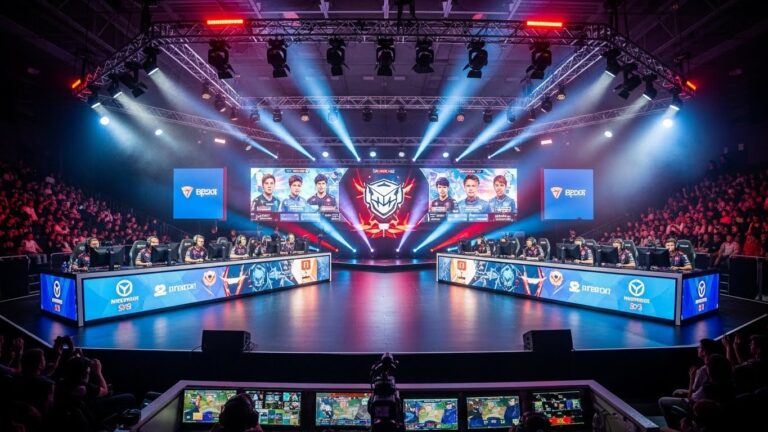
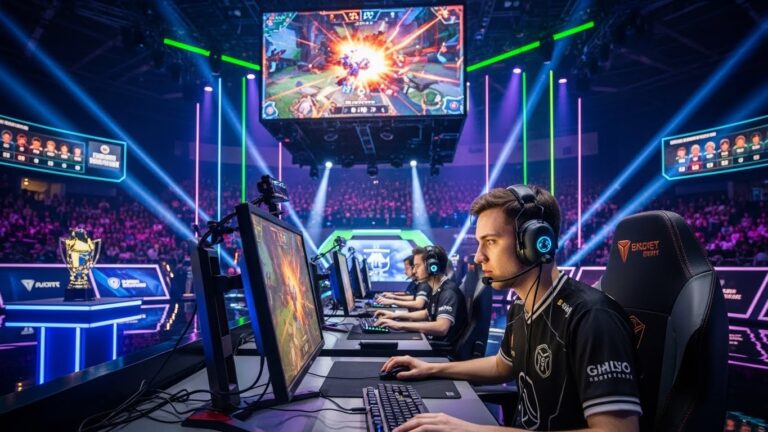
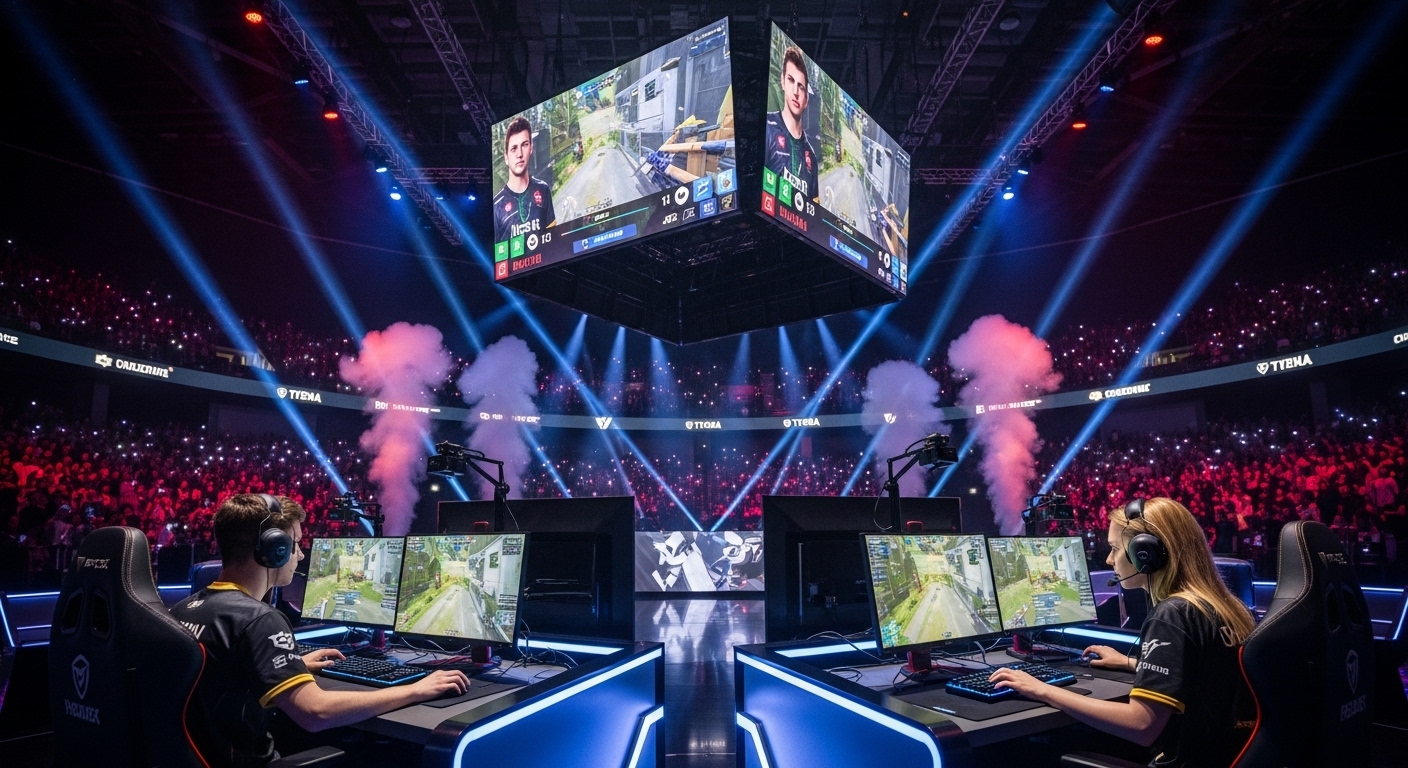
In the digital age, a new form of sport has emerged—e-sports. Competitive gaming has evolved from a hobby into a global phenomenon, attracting millions of viewers and generating massive revenue. While traditionalists debate whether e-sports qualify as real sports, there’s no denying the skill, strategy, and dedication required.
E-sports reflect how technology is reshaping human recreation. The hand-eye coordination, strategic thinking, and teamwork involved mirror many traditional sports attributes. As virtual and augmented reality advance, the boundary between physical and digital sports continues to blur. This evolution challenges our understanding of what it means to compete, perform, and entertain.
Sports and Environmental Sustainability
Modern sports also intersect with the global sustainability movement. Massive sporting events have large carbon footprints, from air travel to stadium construction. However, awareness is growing. Many organizations are implementing eco-friendly practices, such as renewable energy in venues, waste reduction, and carbon offset programs.
Athletes, too, are becoming advocates for environmental causes, using their platforms to promote sustainable living. The idea of “green sports” is gaining traction, proving that athletic excellence and environmental responsibility can coexist. The future of sports may depend not just on human endurance but on ecological awareness.
Sports and the Media Revolution
Media has always been the bridge between athletes and audiences. In the early 20th century, radio brought live commentary into homes. Television later turned local heroes into global icons. Today, social media has made athletes directly accessible to fans, bypassing traditional channels. A single post or story can inspire millions or spark controversy.
The media’s influence shapes public perception, and narratives often determine who becomes a legend and who fades into obscurity. However, this also comes with risk—overexposure, misinformation, and sensationalism. The modern athlete must now master not only physical performance but also digital communication. The line between sport and spectacle grows thinner each year.
The Future of Sports: Innovation and Humanity
Looking ahead, the future of sports promises exciting changes. Artificial intelligence will predict injuries, enhance training, and personalize fan experiences. Biomechanics will push human potential to new heights. Virtual stadiums will bring fans together from across continents in immersive digital spaces.
Yet, amidst all this innovation, the heart of sports remains unchanged—the raw emotion, the human struggle, the unspoken respect between opponents. Whether played on grass, sand, ice, or screen, sports will continue to remind us of our shared humanity. The need to strive, to challenge, and to belong will never fade.
Conclusion
Sports are far more than games. They are reflections of who we are—our strengths, our flaws, and our dreams. They teach us that success is earned, failure is temporary, and teamwork is sacred. They show us that unity is possible even in a world divided by politics and ideology. Every time a whistle blows, a finish line is crossed, or a crowd erupts in joy, humanity is reminded of its enduring spirit.
In a rapidly changing world filled with uncertainty, sports stand as a constant—ever-evolving yet deeply rooted in timeless values. The transformative power of sports lies not in trophies or medals, but in the way they shape lives, inspire nations, and connect hearts. From the quiet determination of a young athlete to the roar of a stadium united in song, sports remain one of humanity’s greatest expressions of hope and strength.
About the Author