Introduction: Understanding the Growth of Esports
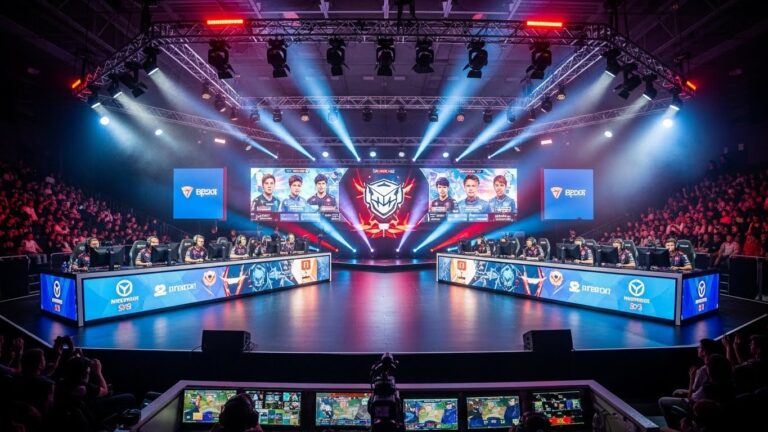
Esports, short for electronic sports, has emerged as one of the most influential cultural phenomena of the 21st century. What was once considered a niche interest is now a global industry worth billions of dollars, with millions of players, fans, and investors involved. From amateur gamers competing for bragging rights to world-class athletes participating in massive tournaments with multi-million-dollar prize pools, esports has rapidly transformed into a mainstream entertainment powerhouse.
In this blog post, we will explore the key factors that have fueled the explosive growth of esports, its role in shaping the future of entertainment, and the potential challenges that lie ahead. With a deeper understanding of this dynamic industry, we will look at how esports has become more than just a game, but a lifestyle and career for many.
The Genesis of Esports: From Arcades to Global Arenas
Esports didn’t develop overnight. Its roots can be traced back to the 1970s when video games first entered the public consciousness. Early arcade games like Pong and Space Invaders sparked the imagination of gamers who began to compete for high scores, setting the stage for the idea of competitive gaming. However, it wasn’t until the 1990s that the seeds of modern esports were planted.
In 1997, the Red Annihilation tournament, centered around the popular first-person shooter Quake, was one of the first major esports competitions. This tournament offered a glimpse into the future of competitive gaming, with professional players battling it out for both pride and a substantial cash prize. Throughout the early 2000s, various gaming events and tournaments began cropping up worldwide, but it was the arrival of online multiplayer games and faster internet speeds that truly ignited the global esports movement.
Games like StarCraft, Warcraft III, and Counter-Strike became the first true esports titles, with players and teams participating in regional and international tournaments. The advent of platforms like Battle.net by Blizzard Entertainment allowed players to compete in real-time against opponents from all over the world. These developments paved the way for larger, more organized esports competitions, and by the mid-2000s, esports was officially a part of the global gaming culture.
The Professionalization of Esports: A New Era for Gamers
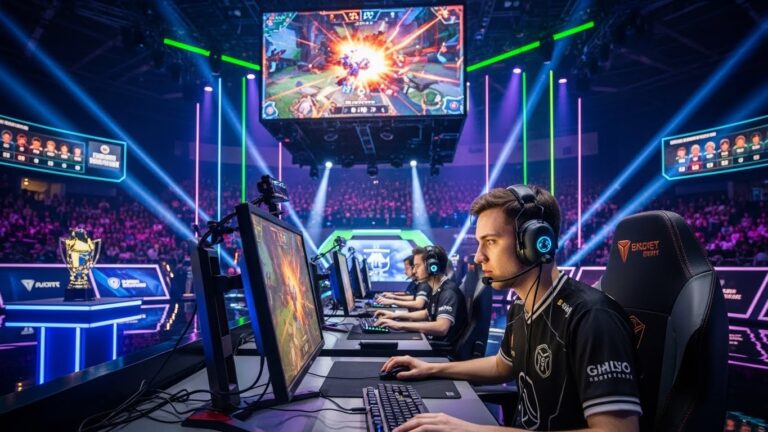
One of the most important milestones in the rise of esports came with the professionalization of the scene. As the popularity of competitive gaming grew, so did the desire for more structured leagues, teams, and financial rewards. This shift from casual competition to professional leagues helped establish esports as a legitimate career option for gamers.
Key to this transformation was the emergence of major game developers who embraced esports. Riot Games, for instance, made a significant impact with the launch of League of Legends in 2009. The company established an annual World Championship, which quickly became one of the most prestigious esports events globally. League of Legends also introduced the concept of franchised leagues, which offered teams long-term stability and the potential for lucrative sponsorship deals.
Meanwhile, Blizzard Entertainment brought esports into the spotlight with games like StarCraft II and Overwatch. The Overwatch League was particularly groundbreaking, with teams based in major cities around the world, resembling traditional sports leagues like the NBA or NFL. This model helped establish esports as a professional sport, with players receiving salaries, sponsorships, and other benefits. As these leagues and competitions grew in prestige, they attracted mainstream sponsors from outside the gaming industry, including major brands like Coca-Cola, Intel, and Audi.
This professionalization of esports has created a new ecosystem for players, coaches, analysts, and team owners. Gamers, once considered hobbyists, now receive contracts, endorsements, and recognition on par with athletes in traditional sports. Some players even become celebrities in their own right, with large social media followings and media appearances.
The Role of Streaming and Content Creation in Esports’ Popularity
The rise of streaming platforms, especially Twitch, has been another key factor in the rapid growth of esports. Twitch, which launched in 2011, revolutionized how fans interacted with gaming content. The platform allowed gamers to stream their gameplay in real-time, fostering a new type of community where viewers could engage with players and other fans through live chat, donations, and subscription services.
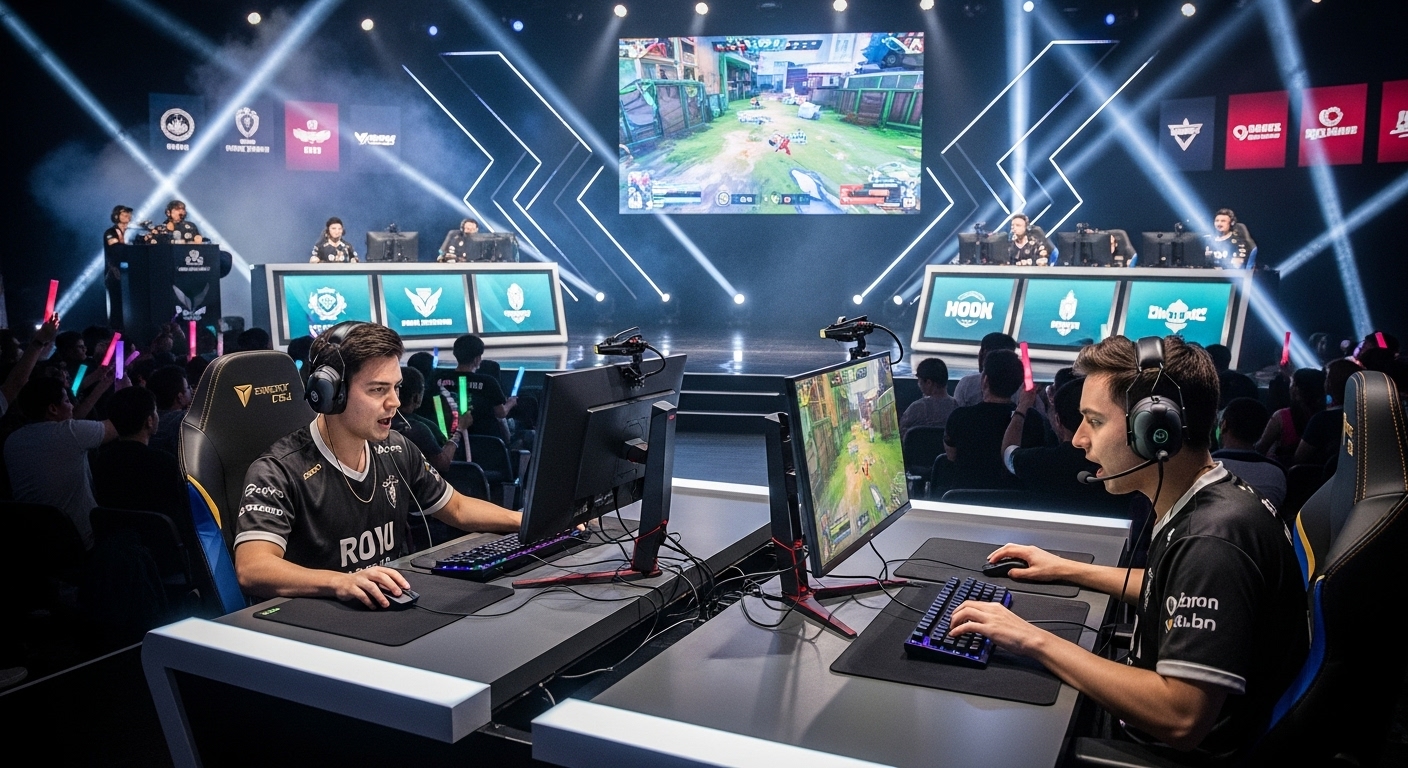
Esports tournaments, previously limited to in-person events or niche broadcasts, could now reach a global audience online. Fans of games like League of Legends, Dota 2, and Counter-Strike: Global Offensive could watch their favorite players in action without leaving their homes, bringing a sense of community and excitement to the digital space. Twitch allowed for real-time interaction, where fans could comment, ask questions, and even influence the content, making the viewing experience more immersive than ever before.
The success of streaming platforms also created a new generation of content creators. Gamers who previously played in obscurity could now amass large followings, earning income from sponsorships, ads, and donations. Many streamers transitioned from casual hobbyists to full-time professional broadcasters, making content creation a viable career path. This transformation in how people consumed gaming content helped mainstream esports and made it more accessible than ever.
Moreover, esports tournaments began to see high levels of viewership, with events like the League of Legends World Championship and The International attracting millions of viewers across the globe. In fact, these events now rival traditional sports events in terms of viewership numbers, breaking records year after year. As broadcasting quality improved with high-definition streams and multi-camera setups, esports became a more polished, professional form of entertainment that rivaled traditional sports broadcasts.
Esports as a Cultural and Social Phenomenon
Esports has gone beyond being just a competitive scene; it has become a cultural and social phenomenon that brings together millions of people from different backgrounds. The power of esports lies in its ability to create shared experiences, often transcending geographic, cultural, and social boundaries. Whether it’s cheering for a favorite team or joining an online community of like-minded fans, esports provides a sense of belonging and camaraderie.
One of the most fascinating aspects of esports is how it appeals to younger generations. The millennial and Gen Z demographic, who are digital natives, have grown up with gaming as an integral part of their lives. Esports has evolved to become more than just a sport; it’s a social activity. Many fans use platforms like Twitch or Discord to interact with their favorite players and discuss strategies or share opinions about their favorite games.
Additionally, esports has begun to influence traditional sports. Teams from leagues such as the NBA, NFL, and European soccer clubs are investing in esports organizations, creating cross-pollination between the worlds of traditional and electronic sports. This intersection has led to the rise of esports stadiums, partnerships with athletes, and even esports-themed content on television and social media.
Universities have also played a significant role in the expansion of esports. Many colleges and universities now offer scholarships for players in competitive gaming, and some have even established dedicated esports programs. This has allowed esports to be viewed as a legitimate career path, with students training to be professional gamers, coaches, and content creators while also earning academic degrees.
The Economic Impact of Esports
The economic impact of esports cannot be overstated. The industry is projected to be worth over $1.5 billion by 2023, with the potential for continued growth. Esports revenue comes from a variety of sources, including advertising, sponsorships, ticket sales, merchandise, and media rights. As esports has gained mainstream recognition, more brands from outside the gaming world have taken notice and begun investing in the industry.
Sponsorships are a major driver of revenue in esports. Brands from sectors like technology, consumer goods, and even automotive companies are heavily involved in the esports ecosystem, sponsoring teams, players, and tournaments. The growing audience base and international reach of esports make it an attractive opportunity for companies looking to tap into younger, tech-savvy demographics.
In addition to sponsorships, the sale of in-game items and cosmetics has become another significant revenue stream for esports titles. Games like League of Legends, Dota 2, and Fortnite generate massive income through microtransactions, where players can purchase skins, characters, and other virtual items. These revenue streams, combined with the sale of tournament tickets and merchandise, make esports a financially viable industry with strong potential for expansion.
Furthermore, esports is also contributing to the global economy by creating jobs in various sectors. Beyond players and teams, the industry has spurred demand for event organizers, commentators, streamers, content creators, and even esports journalists. The number of job opportunities related to esports is expected to keep growing as the industry continues to mature.
Challenges Facing Esports: Sustainability and Integrity
While esports has grown exponentially, it still faces several challenges that could hinder its long-term success. One of the most pressing issues is the sustainability of esports careers. While players can earn significant sums of money through tournament prizes and sponsorships, the career lifespan of an esports athlete is often much shorter than that of a traditional sports player. Players are often in their prime in their late teens or early twenties, and many face early retirement due to physical and mental burnout.
Additionally, while esports has made significant strides in terms of regulation, issues such as cheating, match-fixing, and player misconduct continue to surface. Esports organizers and governing bodies must find ways to ensure the integrity of competition while providing a fair and safe environment for players. These issues have prompted greater oversight and the implementation of anti-cheating technologies, but as the industry continues to grow, further challenges will likely emerge.
About the Author