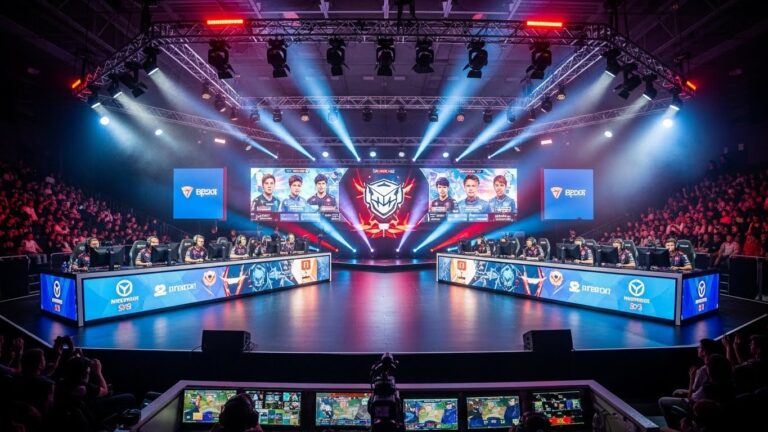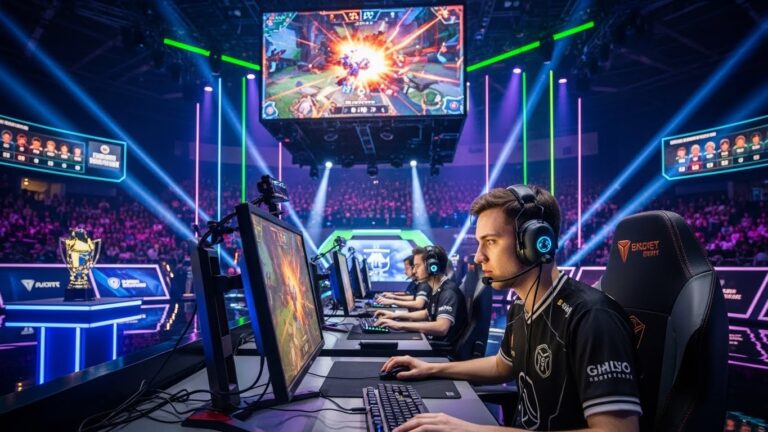
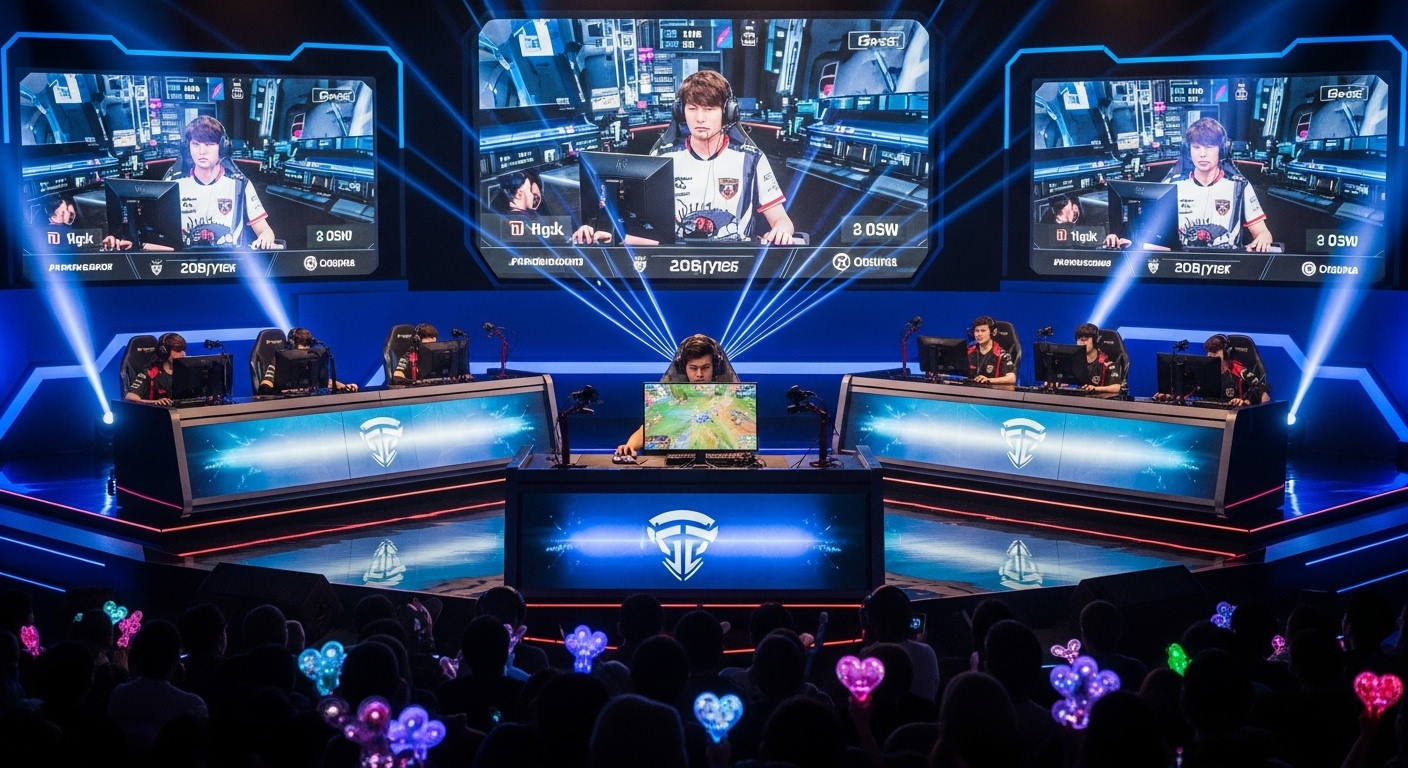
Esports, or electronic sports, has emerged as one of the most influential and fastest-growing segments of the gaming and entertainment industries. What was once considered a niche hobby has transformed into a global phenomenon, attracting millions of viewers, professional players, and sponsors worldwide. Unlike traditional sports, esports thrives in a digital environment, yet it mirrors the competitive spirit, fan engagement, and commercial opportunities found in the athletic arena. This article explores the rise of esports, its impact, the ecosystem that supports it, and the future potential of competitive gaming.
The Origins of Esports
The concept of competitive gaming has roots dating back to the late 1970s and early 1980s when arcade games became popular. Early competitions were informal gatherings where enthusiasts would test their skills against one another. One of the earliest known events, the Space Invaders Championship in 1980, attracted over 10,000 participants in the United States, signaling the potential for competitive gaming as a mass entertainment form.
During the 1990s, the rise of personal computers and local area networks allowed gamers to compete online. Titles like Doom, Quake, and StarCraft became staples of competitive play, fostering small but passionate communities. The development of these games laid the groundwork for organized tournaments and the eventual professionalization of esports.
The Modern Era of Esports
The 2000s marked the beginning of esports as a structured, professional industry. Massive multiplayer online games (MMOs) and real-time strategy (RTS) games provided platforms for competitive leagues. South Korea became a hub for esports, especially with games like StarCraft: Brood War, which drew television coverage and professional sponsorships. Professional gamers were treated like celebrities, and esports tournaments were broadcast to millions.
With the proliferation of high-speed internet and streaming platforms such as Twitch, YouTube Gaming, and Mixer, esports reached global audiences. Games like League of Legends, Dota 2, Counter-Strike: Global Offensive, and Fortnite became international sensations, with tournaments offering multi-million-dollar prize pools and attracting sponsorship from major brands across various industries.
Key Genres in Esports
Esports spans multiple genres, each with its own audience, competitive dynamics, and strategies.
1. Multiplayer Online Battle Arena (MOBA):
MOBA games like League of Legends and Dota 2 involve two teams of players competing to destroy the opposing team’s base. Strategy, teamwork, and individual skill are crucial, and the fast-paced nature of matches makes them appealing for spectators.
2. First-Person Shooters (FPS):
FPS games, such as Counter-Strike: Global Offensive, Call of Duty, and Valorant, emphasize accuracy, reflexes, and tactical coordination. These games often feature team-based competition, with tournaments attracting large viewership due to the intensity and suspense of the matches.
3. Real-Time Strategy (RTS):
RTS games, including StarCraft II, require players to manage resources, build armies, and execute complex strategies in real time. These games test decision-making, planning, and multitasking abilities.
4. Battle Royale:
Battle royale games like Fortnite and PUBG involve large numbers of players fighting until only one remains. These games combine strategy, survival skills, and combat proficiency, offering an unpredictable and thrilling spectator experience.
5. Sports Simulation:
Titles like FIFA and NBA 2K simulate real-world sports, allowing players to compete in digital leagues and tournaments. These games attract fans of traditional sports while bridging the gap between gaming and athletics.
The Esports Ecosystem
The esports industry functions through a complex ecosystem consisting of players, teams, organizers, broadcasters, sponsors, and fans. Each stakeholder plays a critical role in the growth and sustainability of the industry.
Professional Players and Teams:
Professional players dedicate their lives to mastering games, often joining teams that provide coaching, training facilities, and support. Teams compete in regional and international leagues, earning revenue from tournament winnings, salaries, and sponsorship deals.
Tournament Organizers:
Organizers create events that range from small local competitions to massive international tournaments. Organizations like ESL, DreamHack, and Riot Games are central to the structure and visibility of esports events, ensuring standardized rules and high-quality production.
Streaming Platforms:
Streaming platforms are essential for audience engagement, allowing millions of fans to watch live matches, interact with players, and follow their favorite teams. Twitch, YouTube Gaming, and other platforms have transformed esports from a niche activity into mainstream entertainment.
Sponsors and Advertisers:
Brands recognize the value of esports in reaching younger, tech-savvy audiences. Sponsorship deals include in-game advertising, team endorsements, merchandise collaborations, and event sponsorships. This commercial investment has fueled exponential growth in the industry.
Fans and Communities:
Esports thrives on community engagement. Fans participate in online forums, social media discussions, and live event attendance. The culture of esports emphasizes inclusivity and interaction, with fans influencing trends, popular games, and professional player reputations.
The Economics of Esports
The economic impact of esports is staggering. The industry generates revenue through multiple streams, including advertising, sponsorships, media rights, merchandise sales, and ticket sales. The competitive scene offers multi-million-dollar prize pools, incentivizing players and teams to strive for excellence.
Esports organizations operate like traditional sports franchises, with dedicated staff, marketing strategies, and business operations. Successful teams not only compete in tournaments but also cultivate a brand identity, releasing merchandise, content, and collaborations to engage fans and increase revenue.
Challenges Facing Esports
Despite its rapid growth, esports faces several challenges that could affect its long-term sustainability.
1. Player Health and Burnout:
Professional gamers often face intense training schedules, long hours, and high-pressure competition. Physical and mental health concerns, including repetitive strain injuries, eye strain, and burnout, are prevalent.
2. Regulation and Governance:
Esports lacks standardized governance across games and regions. Issues such as cheating, match-fixing, and inconsistent rules can undermine the credibility of competitions.
3. Monetization and Sustainability:
While revenue is growing, many players and teams struggle to achieve financial stability. Reliance on sponsorships and tournament winnings can be unpredictable, especially for smaller teams or emerging games.
4. Inclusion and Diversity:
Esports has historically been male-dominated, although female participation is growing. Addressing diversity, representation, and inclusivity remains a critical challenge for the industry.
The Cultural Impact of Esports
Esports has reshaped entertainment and social interaction, blending technology, competition, and community. Unlike traditional sports, esports transcends geographical barriers, allowing players and fans to connect globally. Major tournaments are celebrated as cultural events, with fan conventions, cosplay, and live-streamed celebrations becoming integral parts of the experience.
Esports also influences other industries, including fashion, music, and technology. Collaborations between gaming companies and mainstream brands have created cross-cultural phenomena, making esports an essential part of modern digital culture.
Educational and Career Opportunities
Esports has opened new pathways for education and careers. Universities worldwide offer scholarships, esports programs, and degrees in game design, event management, and digital media. Careers in esports extend beyond playing, including coaching, event organization, content creation, marketing, broadcasting, and game development.
These opportunities empower young gamers to pursue their passion professionally, bridging the gap between leisure and livelihood.
Esports and Technology
The growth of esports is closely tied to technological advancements. High-speed internet, streaming software, powerful gaming hardware, and virtual reality have revolutionized how games are played and consumed. Cloud gaming and AI-driven analytics are further enhancing player performance and audience experience.
Technology also enables data-driven strategies in esports. Teams analyze gameplay metrics, opponent behavior, and game mechanics to improve performance, similar to how traditional sports utilize analytics.
Global Esports Tournaments
International tournaments are the pinnacle of competitive esports. Events like The International (Dota 2), League of Legends World Championship, and the Fortnite World Cup attract millions of viewers and offer multi-million-dollar prize pools. These tournaments are more than competitions; they are global spectacles combining entertainment, fandom, and cultural exchange.
Regional leagues, such as the LCS in North America and the LCK in South Korea, provide structured competition, allowing teams to qualify for international events. The professionalization of these leagues ensures consistent standards, high-quality production, and fan engagement.
The Future of Esports
Esports shows no signs of slowing down. As technology advances, virtual reality and augmented reality gaming could create immersive competition experiences. Expansion into mobile gaming is connecting new audiences, particularly in regions with high smartphone penetration. The integration of esports into mainstream media, television, and even the Olympics signals its growing legitimacy and acceptance.
Socially, esports is promoting community, collaboration, and creativity. Future developments could see esports merging with other entertainment forms, creating hybrid experiences that combine gaming, live performance, and interactive storytelling.
Conclusion
Esports is more than a form of entertainment; it is a global movement that combines technology, culture, and competition. From humble beginnings in arcade halls to multi-million-dollar international tournaments, esports has transformed the way people play, watch, and engage with games. Its impact spans economic, cultural, and social dimensions, offering new career opportunities, technological advancements, and community engagement.
As the industry continues to evolve, esports will likely redefine the future of competitive entertainment. With professional players, global audiences, and innovative technologies shaping the landscape, esports has firmly established itself as a major force in modern digital culture. The journey of competitive gaming has only just begun, and the next chapters promise even more excitement, innovation, and global connection.
About the Author