Esports has emerged as one of the fastest-growing forms of entertainment in the digital era. What began as small gaming competitions has evolved into a global phenomenon, drawing millions of players, fans, and sponsors. Today, esports is not just a hobby—it is a professional industry that blends skill, strategy, and spectacle.
The Birth of Competitive Gaming
Competitive gaming has a long history, but the rise of esports came with the advent of online multiplayer games. Titles such as StarCraft, Counter-Strike, and Warcraft pioneered organized competitions and online communities. Over time, the esports ecosystem expanded to include a variety of genres, from MOBAs and first-person shooters to battle royale games and sports simulations, attracting players from all over the world.
Professional Players and Their Journey
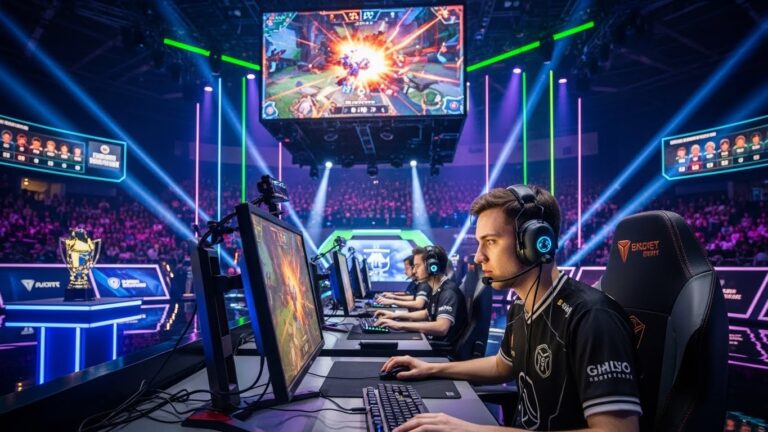
Esports players are dedicated athletes in their own right. Many train for hours daily, honing reflexes, communication, and strategic thinking. Professional teams employ coaches, analysts, and psychologists to enhance performance. Top-tier players can earn salaries, sponsorships, and global recognition, making esports a viable career path. The journey from casual gamer to professional requires discipline, practice, and a passion for competition.
The Spectacle of Tournaments
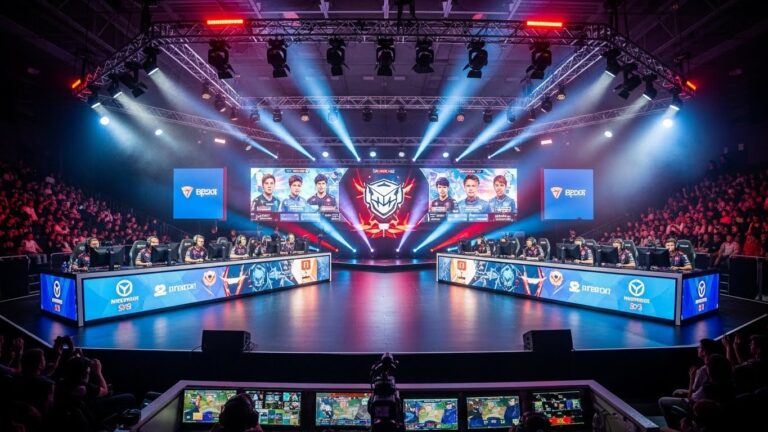
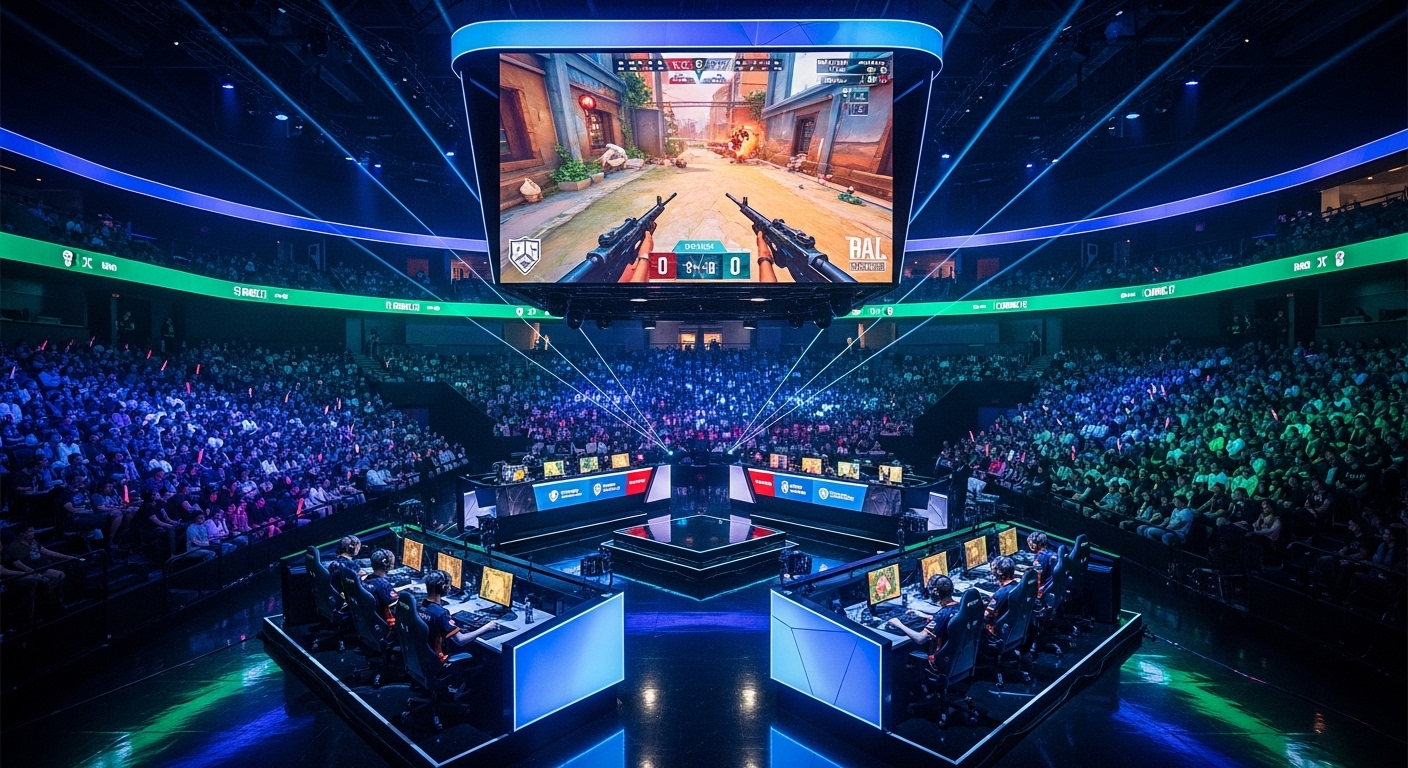
Global esports tournaments now rival traditional sports events in scale and viewership. Championships like the League of Legends World Championship and Dota 2’s The International showcase not only the best players but also the excitement of live competition. Fans gather in arenas or watch online streams, cheering for teams and engaging with interactive content that enhances the experience.
Streaming and the Power of Community
Streaming platforms have become the lifeblood of esports. They allow fans to watch matches live, follow their favorite players, and participate in discussions with other enthusiasts. Streamers also create educational and entertaining content, helping newcomers learn the game while expanding the community. This direct connection between players and fans strengthens the esports culture.
Technology Behind Esports
Technology is at the core of esports. High-performance computers, consoles, and fast internet connections make competitive gaming possible. Advanced analytics, virtual reality, and enhanced broadcasting tools continue to shape the industry, providing players with insights to improve and audiences with immersive experiences.
Challenges and the Road Ahead
Despite its rapid growth, esports faces challenges such as player burnout, cheating, and the need for standardized regulations. Addressing these issues is crucial to ensuring long-term sustainability. As the industry matures, innovations in technology, organization, and fan engagement will define the future of esports.
Conclusion
Esports represents a new era of competition where strategy, skill, and technology intersect. It is a global community, a professional career path, and a source of entertainment that continues to grow. As the digital frontier expands, esports will redefine what it means to compete, connect, and succeed in the modern world.
About the Author