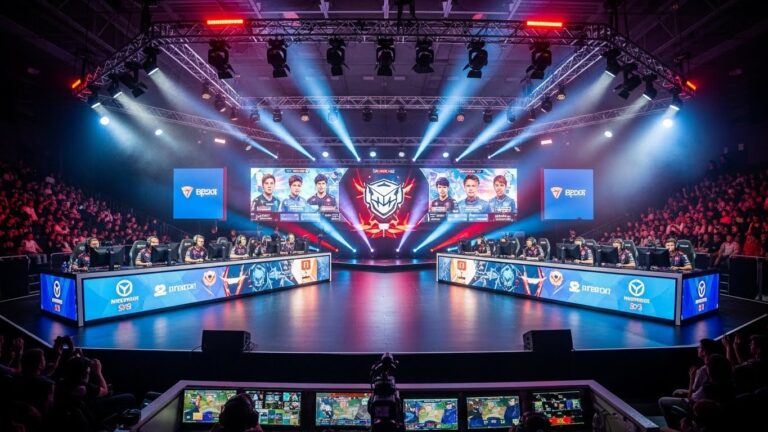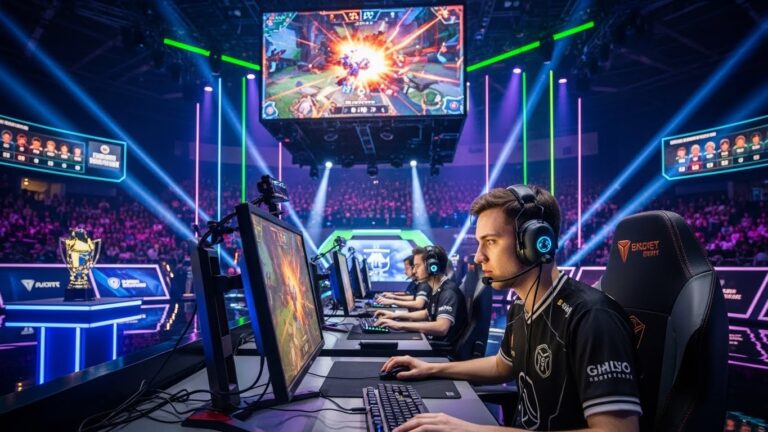
The world of esports has evolved from a niche hobby into a global phenomenon that captivates millions of fans and generates billions in revenue. Competitive gaming, once confined to small tournaments in local arcades or living rooms, is now a professional, highly organized industry with professional players, teams, and massive global tournaments. Esports has not only reshaped entertainment but also influenced culture, technology, education, and even traditional sports. This blog explores the rise of esports, its impact on society, the economic opportunities it offers, and the challenges it faces in a rapidly changing digital world.
The Origins of Esports: From Arcades to Online Arenas
The story of esports begins decades ago when gaming was primarily an entertainment pastime. In the 1970s and 1980s, video game competitions were small, local events, often held in arcades with games like Space Invaders and Pac-Man. These competitions were simple but exciting, drawing players who wanted to showcase their skills and win prizes.
The real transformation came with the rise of personal computers and the internet. In the 1990s and early 2000s, multiplayer games such as StarCraft, Counter-Strike, and Warcraft III allowed players from different cities and countries to compete online. This period marked the birth of global esports communities and tournaments, laying the foundation for the professional esports scene we know today.
With broadband internet and powerful gaming consoles becoming mainstream, esports expanded beyond niche communities into households worldwide. Players could now practice, compete, and stream from the comfort of their homes, while fans could follow their favorite players and teams on a global scale.
The Economic Power of Esports
Esports is now a multibillion-dollar industry, and its financial impact is growing rapidly. Revenue comes from multiple streams, including sponsorships, advertising, merchandise, ticket sales, and media rights. Major brands recognize the opportunity to reach a young, tech-savvy audience through esports, leading companies like Intel, Red Bull, and Nike to invest heavily in this sector.
Professional teams operate much like traditional sports franchises, complete with managers, coaches, analysts, and marketing departments. Star players can earn substantial salaries, with additional income from streaming, brand partnerships, and tournament winnings. Global tournaments such as the League of Legends World Championship and The International in Dota 2 often feature prize pools in the millions of dollars, highlighting the high stakes of competitive gaming.
Esports also fuels economic activity beyond players and teams. Event organizers, production companies, content creators, and technology developers all benefit from the growing ecosystem. As the industry expands, so do employment opportunities, creating a diverse marketplace for digital talent.
Popular Esports Games and Their Communities
The appeal of esports lies in its diversity. Competitive gaming includes genres like multiplayer online battle arenas, first-person shooters, sports simulations, and fighting games. Popular titles such as League of Legends, Dota 2, Fortnite, Call of Duty, and Overwatch have cultivated massive player bases and thriving communities.
Esports communities extend beyond the games themselves. Fans engage on social media platforms, discussion forums, and live-streaming channels, sharing strategies, celebrating victories, and building a sense of belonging. This community-driven culture fuels engagement and loyalty, creating a passionate fanbase that rivals traditional sports audiences.
Streaming Platforms: The Backbone of Esports
Streaming platforms have played a crucial role in esports’ global success. Services like Twitch, YouTube Gaming, and other live-streaming platforms allow players to broadcast their games to audiences worldwide. Fans can watch tournaments live, interact with players in real time, and participate in a shared viewing experience that enhances the excitement of competition.
Streaming has also become a career avenue for players and influencers. Popular streamers can generate revenue through subscriptions, sponsorships, donations, and advertisements, often surpassing earnings from tournament winnings. This accessibility has democratized esports, giving talented players and creators a platform to reach millions without traditional media channels.
Cultural Impact of Esports
Esports has significantly influenced modern culture. Gaming is no longer viewed solely as a hobby but as a legitimate form of competition and entertainment. Celebrities, athletes, and public figures now participate in esports events, further legitimizing its presence in mainstream media.
Esports has inspired trends in fashion, music, and art. Branded merchandise, team apparel, and gaming-inspired clothing are increasingly popular. Music collaborations, cosplay, fan art, and esports documentaries have created a cultural ecosystem that goes beyond gameplay. These trends illustrate that esports is not just about winning matches—it is a lifestyle that fosters creativity, collaboration, and community engagement.
Education and Career Opportunities in Esports
Esports has opened doors to new educational and professional opportunities. Universities now offer esports programs, scholarships, and research initiatives. Students can pursue careers in game development, event management, broadcasting, content creation, marketing, and analytics. These programs equip students with transferable skills such as teamwork, communication, and strategic thinking.
Professional players often begin their journey in local tournaments, school leagues, or online competitions. Success in esports can lead to careers as players, coaches, analysts, or content creators. Beyond playing, the industry offers diverse career paths that combine technology, media, and entertainment.
Challenges Facing the Esports Industry
Despite its rapid growth, esports faces several challenges. One major issue is the lack of standardized governance. Rules for tournaments, contracts, and player conduct can vary widely, leading to disputes and potential exploitation. Establishing clear regulations is essential for ensuring fairness and long-term sustainability.
The physical and mental well-being of players is another concern. Intense practice schedules, high-pressure competitions, and constant public scrutiny can lead to burnout, stress, and injuries. Addressing these challenges is crucial for protecting players and maintaining industry credibility.
Cultural perception also remains a barrier. Many still view gaming as a recreational activity rather than a professional pursuit. Overcoming stereotypes and educating the public about the dedication, skill, and strategy required for esports is an ongoing challenge.
The Future of Esports
The future of esports is full of potential and innovation. Emerging technologies like virtual reality, augmented reality, and artificial intelligence are poised to transform gameplay and viewing experiences. Virtual stadiums, AI coaching, and immersive fan experiences may redefine how esports is played and consumed.
Global expansion is another key trend. While Asia, Europe, and North America currently lead the industry, emerging markets in Africa, South America, and the Middle East are increasingly contributing to the growth of esports. Improved internet infrastructure and wider access to gaming platforms will make esports more inclusive and global.
Additionally, collaborations between esports and traditional sports leagues are becoming more common. Football clubs, basketball teams, and other sports organizations are establishing esports divisions, highlighting the convergence of digital and physical sports. This trend signals a future where esports is fully integrated into mainstream entertainment.
Conclusion: Esports as a Transformative Force
Esports is more than a form of entertainment; it is a transformative force shaping culture, business, technology, and education. From its humble beginnings in arcades to today’s global tournaments, esports has grown into a sophisticated ecosystem that impacts millions of lives.
Its cultural significance, economic potential, and innovative spirit make it a unique industry that continues to redefine competition and entertainment. While challenges such as governance, mental health, and public perception remain, the trajectory of esports is undeniably upward.
The rise of esports demonstrates the power of passion, skill, and technology to create a global phenomenon. As the industry continues to evolve, it will leave a lasting impact on society, proving that gaming is not just a pastime but a major force in the modern world.
About the Author