Introduction: The Rise of Competitive Digital Arenas
Not long ago, the idea of competitive video gaming was dismissed as a hobby rather than a legitimate sport. Yet today, esports has evolved into a global phenomenon with millions of followers, professional players, enormous arenas filled with cheering fans, and prize pools rivaling traditional sports. This remarkable transformation didn’t happen overnight. It emerged through the convergence of technology, community passion, and a new generation that views digital interaction as naturally as previous generations viewed physical sports.
In this blog, we will dive deep into the world of esports—its history, its meteoric rise, its culture, and the impact it continues to have across industries worldwide.
A Brief History of Esports: From Arcades to Arenas
The idea of competitive gaming dates back to the early arcade era. Gamers would compete for high scores on classics like Space Invaders and Pac-Man. The first large-scale gaming competition took place decades ago, laying the foundation for what esports would eventually become. University networks and early internet communities later expanded these competitive spaces, especially with the rise of multiplayer games.
Fast forward to the 2000s, when LAN tournaments for games like Counter-Strike, Warcraft III, and StarCraft gained traction. These events were small compared to today’s standards, but they cultivated passionate fanbases and professionalized competitive gaming. As broadband internet became more accessible and streaming platforms emerged, esports finally found its global stage.
The Explosion of Streaming and Digital Communities
One of the biggest catalysts for esports’ rise was the growth of online streaming. Esports didn’t need traditional television networks; it built its own audience through platforms that allowed fans to watch matches live from anywhere in the world. This accessibility created a new viewing culture that was interactive, immersive, and community-driven.
Fans weren’t just watching games; they were engaging with streamers, analyzing plays, chatting in real time, and forming online communities that rivaled traditional sports fanbases. This digital-native ecosystem allowed esports to flourish without the limitations faced by conventional broadcasting.
Why Esports Resonates with a New Generation
The popularity of esports is not only due to its digital accessibility but also because it aligns with the interests and habits of younger audiences. Many grew up playing video games, making esports feel relatable and natural. Unlike traditional sports, esports doesn’t require physical access to specialized facilities or equipment. Anyone with a computer or console can practice, compete, and even dream of going pro.
Additionally, esports emphasizes skill, strategy, teamwork, and innovation. It rewards dedication in the same way traditional sports do. For many fans, watching a world-class League of Legends player shimmer across the battlefield or a Counter-Strike team make a flawless tactical execution is as thrilling as watching a soccer striker score a last-minute goal.
The Professional Player Lifestyle: Dream Job or Digital Pressure Cooker?
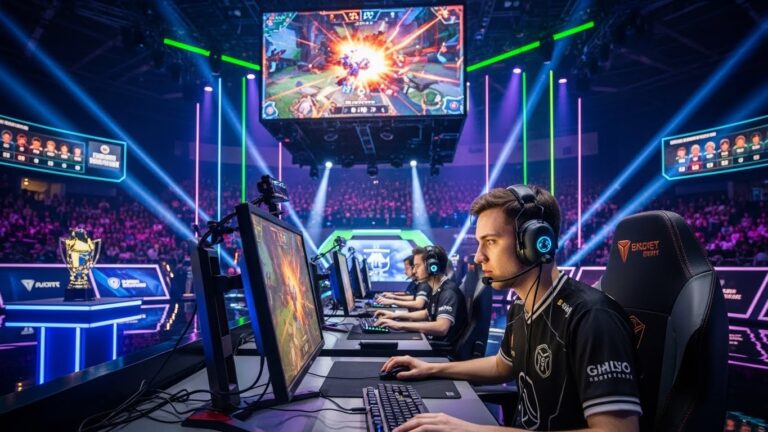
Behind the bright lights of esports arenas lies a demanding lifestyle. Professional esports players often begin training at a young age, committing countless hours per day to perfecting their gameplay. Their routines involve strategy sessions, mechanical training, team practice, fitness workouts, and mental performance coaching.
While many dream of becoming esports stars, the career comes with challenges. Players must maintain peak focus and reflexes, and burnout is a significant issue within the industry. Careers can be shorter compared to traditional athletes due to the intensity of training and the rapid evolution of game environments.
Yet, for those who succeed, esports offers opportunities once thought unimaginable: global fame, lucrative earnings, sponsorships, and the chance to represent their region or country on international stages.
Major Esports Titles and Their Unique Appeal
Esports spans multiple genres, each attracting distinct types of players and spectators:
Multiplayer Online Battle Arenas (MOBAs)
Games like League of Legends and Dota 2 are strategic, fast-paced, and team-oriented. They require deep game knowledge, quick decision-making, and seamless teamwork.
First-Person Shooters (FPS)
Titles such as Counter-Strike and Valorant emphasize precision, reaction time, and tactical coordination. Their high-intensity gameplay makes them favorites for live audiences.
Battle Royales and Survival Competitions
Games like Fortnite and Apex Legends bring unpredictability and massive player counts, maintaining excitement and variety in every match.
Sports Simulations and Fighting Games
FIFA, NBA titles, and fighting games like Tekken combine esports with the excitement of traditional sports and martial arts.
Each genre not only attracts different players but also builds unique subcultures and communities that contribute to the richness of the esports landscape.
Esports Arenas: The New Age Stadiums
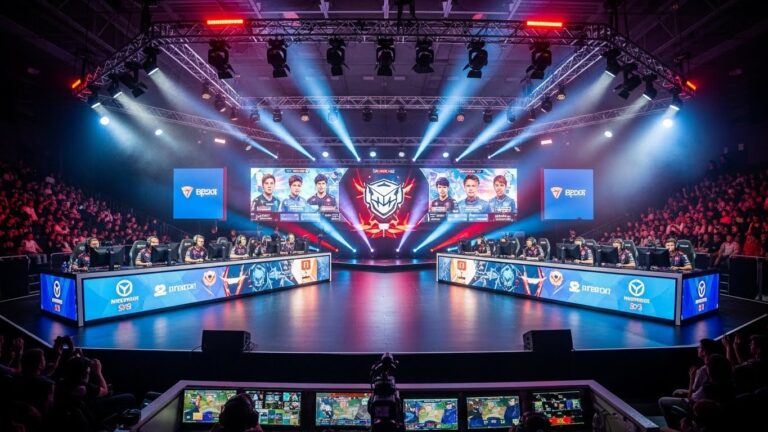
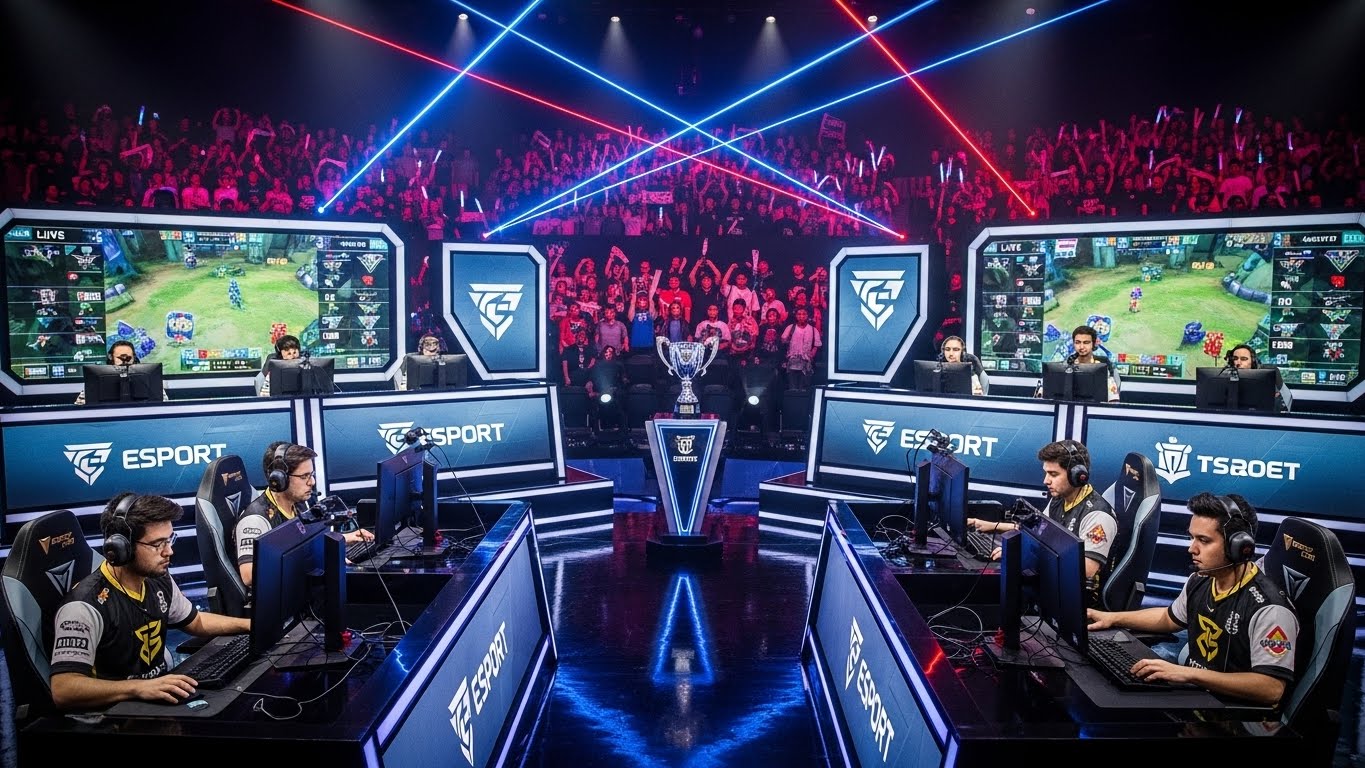
Once limited to small conference rooms and gaming cafes, esports events now pack arenas with thousands of fans. These events rival traditional sporting events in spectacle, with dramatic lighting, booming sound design, and energetic shoutcasting that turns every play into a thrilling moment.
Spectators bring signs, cheer for their favorite teams, and buy merchandise. The atmosphere at a major esports final is electrifying. For many, it feels like witnessing history unfold in a new form.
Economic Impact: A Growing Industry with Global Reach
The esports industry today generates billions in revenue through sponsorships, advertising, merchandise, media rights, and event ticket sales. Major corporations invest heavily in teams and tournaments, recognizing the marketing potential of reaching digitally native audiences.
Educational institutions have also begun offering esports scholarships, legitimizing competitive gaming as a viable path for students. Cities around the world are establishing esports hubs and arenas, further integrating competitive gaming into local economies.
Esports and Traditional Sports: A Symbiotic Relationship
Rather than replacing traditional sports, esports has found ways to coexist and even collaborate. Many professional sports teams have invested in esports divisions. This crossover has introduced new fans to both industries and encouraged innovation in athlete training, fan engagement, and broadcasting.
While traditional sports thrive on physical prowess, esports demonstrates mastery of strategy, reflexes, and mental agility. The two worlds complement each other, expanding what society considers legitimate competition.
The Cultural Impact: More Than Just Games
Esports is shaping modern culture in profound ways. It influences fashion, music, internet culture, and entertainment. Players become celebrities, tournaments become festivals, and esports organizations evolve into lifestyle brands.
Online communities celebrate memes, discuss strategies, create fan art, and even host local gatherings that mirror traditional sports fan culture. Esports has fostered global friendships and connections that transcend borders and languages.
Challenges Facing Esports Today
Despite its success, esports faces real challenges:
- Player burnout and mental health concerns due to intense schedules
- Financial instability for smaller teams and players
- Maintaining competitive integrity amid cheating, hacking, and match-fixing risks
- Ensuring fair representation and inclusion, as the industry strives to become more diverse
These challenges are significant, but they also present opportunities for improvement and long-term growth.
The Future of Esports: What Comes Next?
The future of esports is bright, innovative, and full of possibilities. Advancements in virtual reality, augmented reality, and artificial intelligence will transform competitive gaming. Esports may soon integrate with educational programs, workplace simulations, and even new hybrid sports experiences that blend physical and digital interaction.
As viewership continues to grow, esports will become even more deeply embedded in global culture. It is not a trend; it is a movement.
Conclusion: A New Era of Global Competition
Esports has broken barriers, united communities, and redefined what it means to compete in the digital age. It represents passion, innovation, and a modern reimagining of sports culture. Whether you are a seasoned gamer, a curious newcomer, or someone exploring the phenomenon for the first time, esports offers a vibrant world filled with excitement, creativity, and limitless potential.
As technology continues to evolve, so too will esports—expanding its reach, deepening its impact, and inspiring future generations to dream, compete, and connect in ways once thought impossible.
About the Author