Introduction: The Evolution of Competitive Gaming
Esports, short for electronic sports, has transformed from a niche hobby into a global entertainment powerhouse. What was once a pastime enjoyed in small arcades or living rooms has evolved into an industry worth billions, drawing massive audiences, corporate sponsorships, and professional athletes. Today, esports tournaments attract viewership that rivals traditional sports, with millions tuning in to watch their favorite teams battle for glory. This blog explores the journey of esports, its cultural impact, the lives of professional players, and what the future holds for this rapidly growing digital arena.
The Early Days of Esports
Before esports became a mainstream attraction, it existed in the shadows of early video game competitions. The first notable gaming tournament dates back to the early 1970s, when a group of students gathered to compete in a space-themed game on university computers. These early competitions were small and mostly informal, yet they laid the foundation for what esports would eventually grow into.
In the 1980s and 1990s, competitive gaming began gaining traction thanks to advances in technology. Arcade competitions and early console tournaments allowed players to showcase their skills in games like fighting titles or multiplayer shooters. However, the true transformation came with the rise of personal computers, which enabled broader multiplayer experiences and set the stage for organized online competitions. This period marked the beginning of structured esports, although it was still years away from becoming a global phenomenon.
The Rise of Online Gaming Communities
The birth of online gaming communities played a crucial role in shaping esports. When multiplayer games became accessible via home internet, players could compete anytime and anywhere, removing the limitations of physical location. This shift gave rise to clans, guilds, and online tournaments, which fostered healthy competition and a strong sense of belonging among players.
Games specifically designed for competitive play began emerging. Titles in genres like real-time strategy, multiplayer battle arenas, first-person shooters, and sports simulations created opportunities for players to specialize and refine their abilities. Developers soon realized that fostering competitive environments could lead to highly engaged player bases, which encouraged them to invest in official tournaments and leagues. The connection between players through online communities created a thriving ecosystem that helped esports grow into a social and cultural movement.
Professionalization of the Esports Industry
As more players and fans joined the world of competitive gaming, esports began to take on a more professional structure. Large companies and organizations started sponsoring tournaments, offering significant prize pools that attracted talented players from around the world. Teams formed with dedicated coaches, analysts, and managers, mirroring the structure of traditional sports teams.
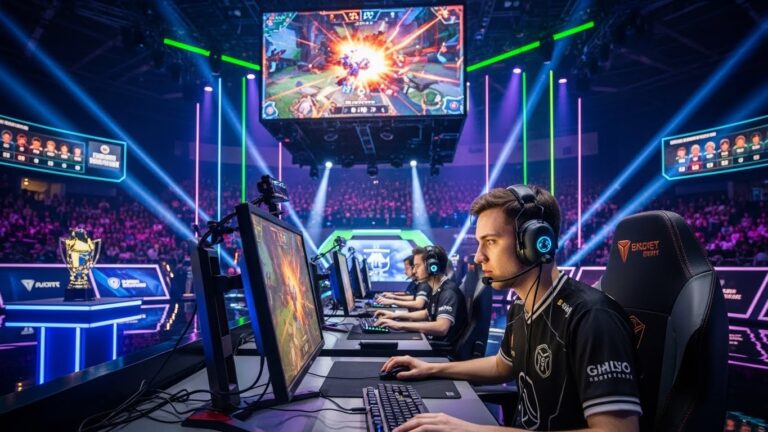
Esports athletes underwent rigorous training routines, practicing for hours each day to stay at the top of their game. Their schedules included strategy sessions, communication drills, and performance analysis to strengthen their gameplay. What once seemed like a hobby became a legitimate career path for skilled players.
This professionalization also brought recognition to esports athletes, who now enjoy celebrity-like status in many countries. They are admired for their discipline, reflexes, and strategic thinking. Streaming platforms and social media further amplified their visibility, allowing fans to watch live gameplay, interact with players, and learn advanced techniques directly from the experts.
Esports as a Spectator Sport
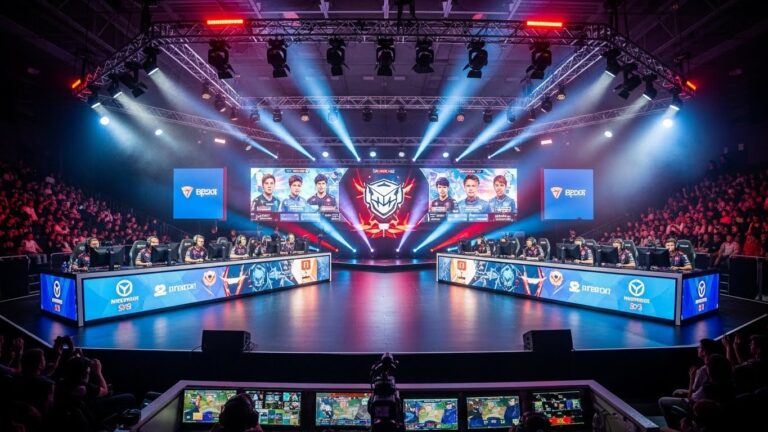
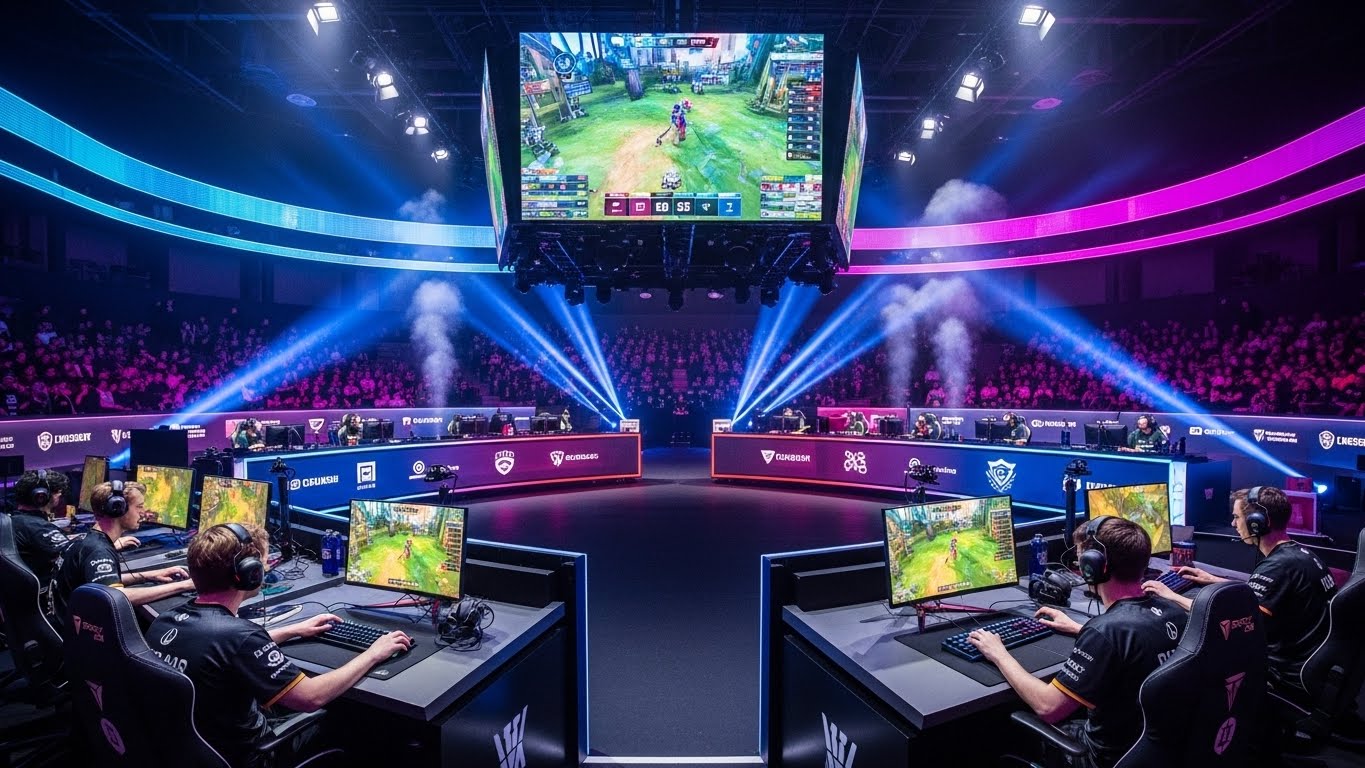
One of the most significant driving forces behind the rise of esports is its popularity as a spectator sport. High-quality broadcasts, skilled commentators, and immersive production values have turned esports events into thrilling spectacles. Stadiums now sell out to fans who want to watch matches live, while millions more join online from every corner of the globe.
The diverse range of games ensures that there is something for every type of viewer. Some fans enjoy strategy-heavy titles that require deep analytical thinking, while others prefer fast-paced action games filled with quick reflexes and exciting plays. This diversity helps esports appeal to a wide audience and ensures its place as a major entertainment force.
Esports commentary, much like traditional sports commentary, adds depth to the viewer experience. Commentators break down complex plays, analyze strategies, and inject energy into every moment, making matches more engaging even for viewers unfamiliar with the game. The increasing quality of production has elevated esports beyond simple gameplay streams into full-fledged broadcast events.
The Role of Technology in Esports Growth
Technology has consistently pushed esports forward. Improvements in computer hardware, graphic capabilities, and internet speeds have made modern games more visually stunning and competitive than ever before. High-significance moments, such as flawless plays or intense team fights, are now captured with clarity and detail that enhance the viewer experience.
Streaming platforms have also revolutionized esports by offering instant access to live matches and personal broadcasts from players. Fans can watch professional tournaments or enjoy casual gameplay from their favorite streamers anytime they want. This constant accessibility has helped grow the fanbase and provided players with additional income streams.
Virtual reality and augmented reality technologies are beginning to show potential in expanding the possibilities of competitive gaming. While still in their early stages, these technologies hint at new interactive experiences that may shape future esports formats.
The Global Spread of Esports Culture
Esports has transcended geographical boundaries, creating a global culture that brings people together through shared passion. Countries around the world host events, support professional teams, and invest in esports development. Some nations have even built dedicated arenas and training facilities for esports athletes.
Educational institutions are recognizing the importance of esports as well. Many universities now offer esports scholarships, programs, and clubs to support aspiring players. This integration of esports into academia highlights the growing legitimacy of competitive gaming as a career and cultural phenomenon.
Furthermore, esports has created opportunities beyond playing professionally. Careers in coaching, event management, broadcast production, content creation, and game development have flourished. The industry’s expansion has opened pathways for individuals with diverse talents to contribute to the esports ecosystem.
Challenges Facing the Esports Industry
Despite its rapid growth, esports still faces significant challenges. Player burnout is a major concern, as professional players often maintain demanding schedules that can impact mental and physical health. Ensuring player well-being requires better support systems, including balanced training, mental health resources, and longer career sustainability.
Financial stability is another challenge. While top teams and players earn substantial incomes, smaller organizations often struggle with inconsistent funding. Creating long-term stability requires better revenue distribution, increased sponsorship opportunities, and improved infrastructure.
There are also concerns about competitive integrity. Issues such as cheating, match-fixing, and hacking can undermine trust in esports competitions. Strong regulations, effective monitoring, and transparent governance are crucial to maintaining fairness and credibility.
The Future of Esports
The future of esports appears incredibly promising. As technology continues to evolve, new game genres and competitive formats will emerge. Integration with traditional sports may deepen as more sports organizations invest in esports branches, creating opportunities for cross-cultural collaboration.
Educational and career pathways in esports will continue expanding, further solidifying its place in mainstream society. As audiences grow, tournaments will become even more extravagant and immersive, blending live entertainment with digital innovation.
Esports may also find a place in major global sporting events. While discussions are ongoing, the increasing popularity and competitive legitimacy of esports make this a realistic possibility for future international competitions.
Conclusion: A New Era of Competition
Esports has journeyed from small gatherings of gaming enthusiasts to one of the most influential entertainment industries in the world. Its blend of technology, skill, creativity, and community has created a vibrant culture that appeals to millions. As esports continues to evolve, it promises to reshape the future of competition, entertainment, and global connectivity.
About the Author