Introduction: A New Era of Competitive Play
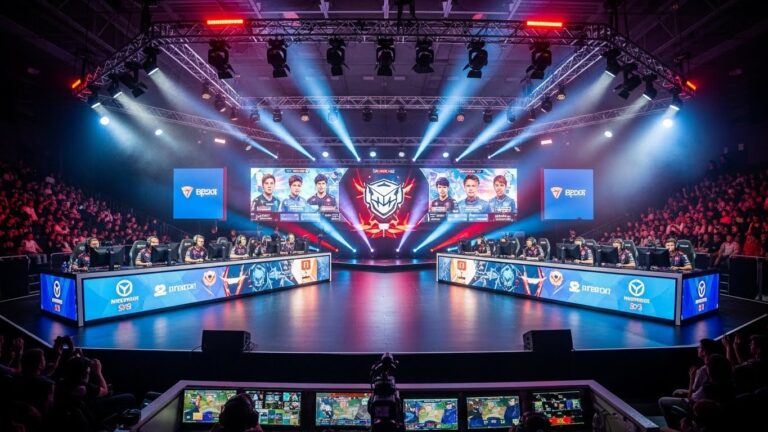
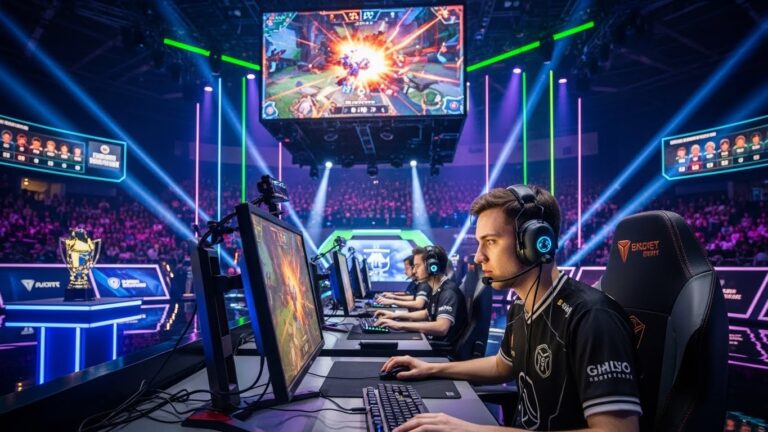
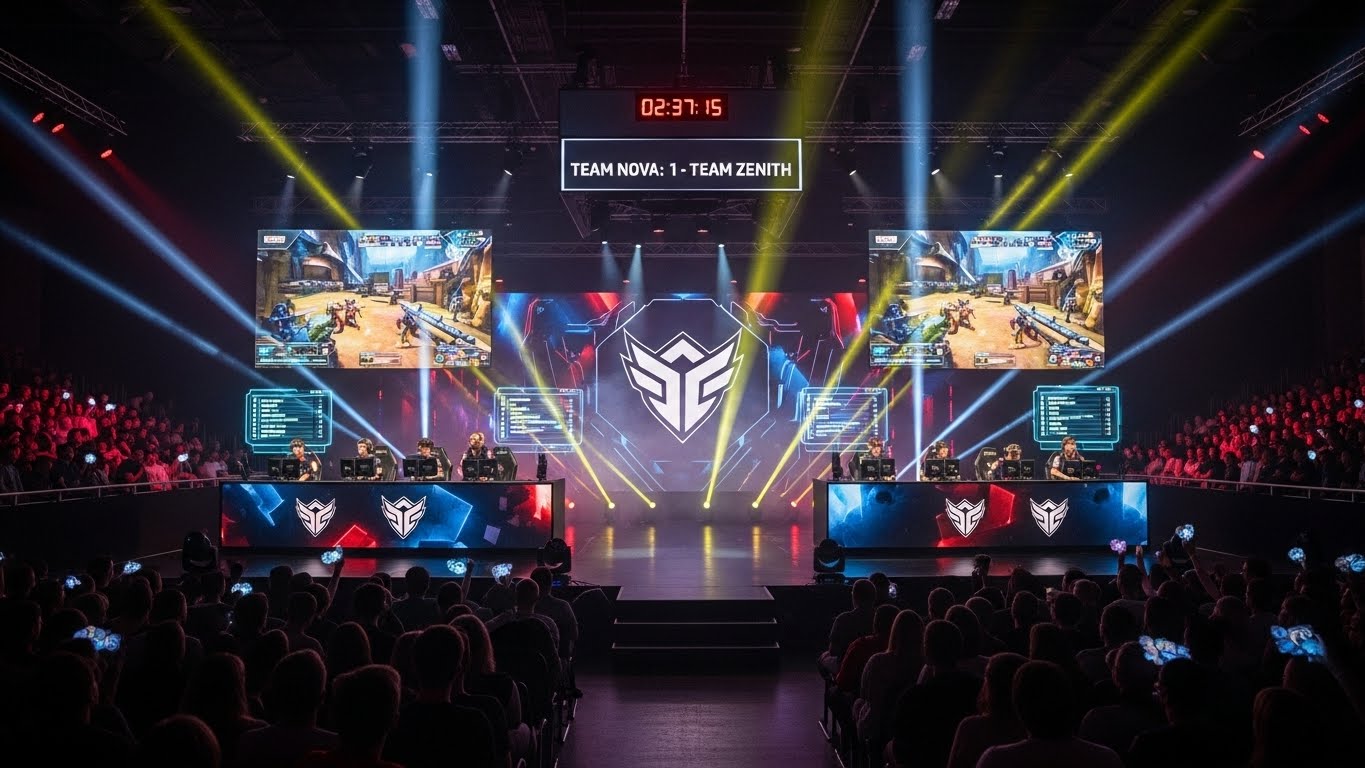
Over the past two decades, esports has evolved from a niche hobby pursued in small gaming cafes to a global cultural force commanding millions of viewers and billions in revenue. It represents the meeting point between technology, entertainment, athletic ability, and community. While traditional sports rely on physical strength and coordination, esports is built on digital prowess, mental agility, strategic depth, and lightning-fast reflexes. Today, stadiums fill with fans cheering for their favorite players, streaming platforms boom with esports content, and aspiring gamers around the world dream of going professional. This blog explores how esports rose to fame, what makes it unique, and why its future looks even brighter.
The Origins of Competitive Gaming
Competitive gaming did not begin with modern esports events. Its roots trace back to arcade competitions and early console showdowns. What started as friendly challenges among enthusiasts slowly transformed into organized tournaments. Early games like space shooters and fighting titles encouraged head-to-head competition, while the rise of personal computers opened the door for strategy and shooting games with deeper mechanics.
As internet access expanded, online multiplayer gaming became accessible to a global audience. Suddenly, players were no longer limited to competing with friends in the same room; they could challenge opponents from around the world. This connectivity laid the foundation for esports, paving the way for structured leagues and high-stakes tournaments that mirror traditional athletic competitions.
The Rise of Esports as a Global Industry
The shift from casual competitions to professional leagues happened rapidly. Developers began supporting tournaments with prize pools, event organizers created structured formats, and sponsors recognized the marketing potential of gaming’s young, engaged audience. As viewership increased, so did investment, transforming esports into a multi-billion-dollar industry.
Today, esports features major genres such as first-person shooters, battle arenas, sports simulations, and strategy titles. Some games draw tens of millions of monthly players, making their competitive scenes incredibly vibrant. Professional organizations recruit top-tier talent, build training facilities, and employ coaches, analysts, and support staff. This growth established esports as a legitimate career path for skilled players and a powerful entertainment sector for global audiences.
What Separates Esports From Traditional Sports
Esports mirrors traditional sports in structure, but also differs in important ways. While both rely on competition, teamwork, training, and mental toughness, esports adds a uniquely digital layer to the experience.
Players compete using keyboards, controllers, or touchscreens, relying on quick reactions and mastery of complex in-game mechanics. Strategies evolve rapidly as game developers introduce updates, meaning pros must constantly adapt to stay ahead. Unlike traditional sports, which remain relatively unchanged, esports titles transform frequently, forcing players and coaches to adjust strategies, draft compositions, and training routines. This dynamic nature keeps esports fresh and unpredictable, appealing especially to younger audiences.
Yet the similarities are striking. Esports teams practice for long hours, analyze game footage, maintain regimented schedules, exercise to support cognitive function, and engage sports psychologists to improve performance. In many ways, esports athletes train just as rigorously as competitors in physical sports, though the skills demanded are different.
The Power of Community and Fandom
One of the strongest pillars supporting the esports industry is its massive, passionate community. Fans do more than watch matches—they create content, engage in discussions, support teams through merchandise, and follow players closely on streaming platforms. Esports thrives on interaction; viewers often feel directly connected to players through live streams and social media, creating a closeness rarely found in traditional sports.
The community also contributes to the growth of events. Fan art, live commentary, analysis videos, and online debates enrich the ecosystem, transforming esports into a participatory culture. This sense of belonging fuels loyalty, making fans invested not just in games but in the people behind them. As long as this community continues to flourish, esports will remain culturally influential.
The Role of Streaming in Esports Popularity
Streaming platforms revolutionized how competitive gaming is consumed. Unlike traditional sports broadcasting, which requires major networks and scheduled airtime, esports thrives in digital spaces accessible to anyone with an internet connection. These platforms allow fans to follow tournaments in real time and watch player streams where professionals share gameplay, personal stories, and insights.
This direct interaction between players and viewers builds strong fan relationships and creates opportunities for players to grow their own brands. It also democratizes entertainment; a talented player can rise to prominence through consistent streaming alone, sometimes leading to recruitment by professional teams.
Streaming also supports the educational side of esports. Aspiring players study high-level strategies, watch live coaching sessions, and learn the intricacies of the game from the best in the world. This easy access to knowledge fuels constant improvement and raises the overall skill level within the community.
Esports as a Career: Beyond Just Playing
While players often occupy the spotlight, esports offers diverse career paths. Coaches, analysts, shoutcasters, event organizers, content creators, editors, designers, team managers, and nutritionists all contribute to a successful esports ecosystem. Just as in traditional sports, the infrastructure behind teams and tournaments requires a wide range of talents.
Many universities now offer courses and degrees in esports management, marketing, event production, and game design. Scholarships are increasingly awarded to skilled gamers, allowing them to pursue higher education while competing. This academic support further legitimizes esports and opens doors for future professionals seeking a stable career within the industry.
The Business Backbone of Esports
Behind every thrilling match lies a complex business framework. Organizations sign sponsorship deals, negotiate broadcasting rights, partner with technology companies, and develop merchandise strategies. Brands across all industries—from energy drinks to automotive companies—invest heavily in esports, recognizing its influence among younger consumers.
This financial backing fuels tournament prizes, player salaries, and team infrastructure. The biggest events draw millions of viewers, making esports one of the most powerful marketing channels for global brands. As long as viewership remains strong, investment will continue to pour in, allowing the industry to expand even further.
The Psychological Demands of Competitive Gaming
The mental aspect of esports is just as intense as the physical demands of professional sports. Players must remain calm under pressure, make split-second decisions, and maintain focus throughout long tournament days. Mental fatigue can lead to mistakes, so players undergo psychological training to build discipline, resilience, and teamwork.
The pressure to perform in front of large audiences can be immense. Many organizations now employ mental health professionals who specialize in competitive environments. Maintaining well-being is crucial for long-term success, as burnout is one of the biggest challenges faced by esports athletes. Balancing training with rest, nutrition, and physical exercise is essential.
Esports and Global Youth Culture
One reason esports has exploded in popularity is its alignment with digital-native generations. Young people today grow up surrounded by technology, social platforms, and interactive entertainment. Esports blends all of these elements, offering a social experience that extends beyond simply watching games.
For many youths, esports functions as a common ground for building friendships, joining communities, and expressing creativity. Events become social gatherings, both online and offline, where fans celebrate shared passions. As gaming becomes more deeply embedded in global culture, esports continues to rise as a central form of entertainment.
Challenges Facing the Esports Industry
Despite its success, esports faces several challenges. Player burnout, game longevity, competitive fairness, and regulation are ongoing concerns. Because esports depends heavily on game developers, one major update can drastically alter gameplay, forcing teams to adapt quickly. Additionally, the lack of a standardized global governing body creates inconsistencies in rules, player contracts, and tournament policies.
Another challenge is ensuring diversity and inclusion. While esports communities are vast, they are still working toward creating safer, more welcoming environments for players of all backgrounds. Progress continues, but achieving universal accessibility requires continued effort from developers, organizations, and fans.
The Future of Esports: Where the Digital Frontier Leads
The future of esports is filled with possibilities. Advancements in virtual reality, augmented reality, cloud gaming, and artificial intelligence could transform how competitions are played and experienced. More traditional sports organizations are partnering with esports teams, recognizing the mutual benefits of shared audiences.
As technology continues evolving, esports may eventually become integrated into schools, communities, and global events in ways we have yet to imagine. With increasing international viewership and growing support across industries, esports is positioned not only to remain relevant but to shape the future of global entertainment.
Conclusion: The Digital Arena Is Here to Stay
Esports has grown beyond the boundaries of gaming to become a dynamic, influential, and rapidly evolving industry. It brings together competition, technology, entertainment, and culture in a way that resonates with millions around the world. Whether you are a seasoned gamer, a curious newcomer, or someone fascinated by modern digital culture, esports offers something for everyone. Its rise demonstrates the power of community, innovation, and passion—and its future promises even more excitement.
About the Author