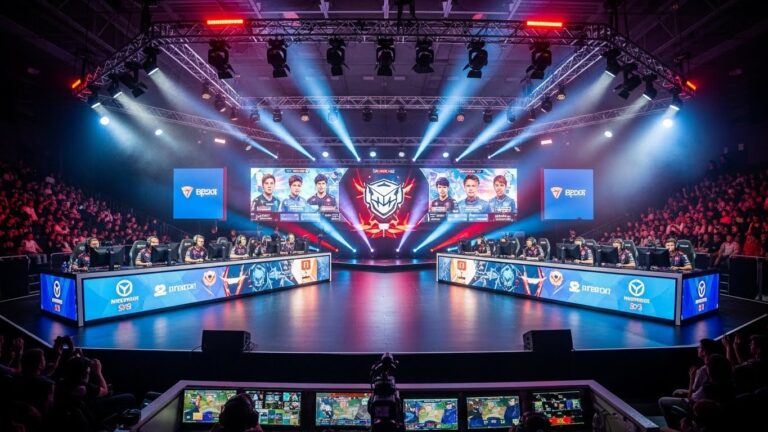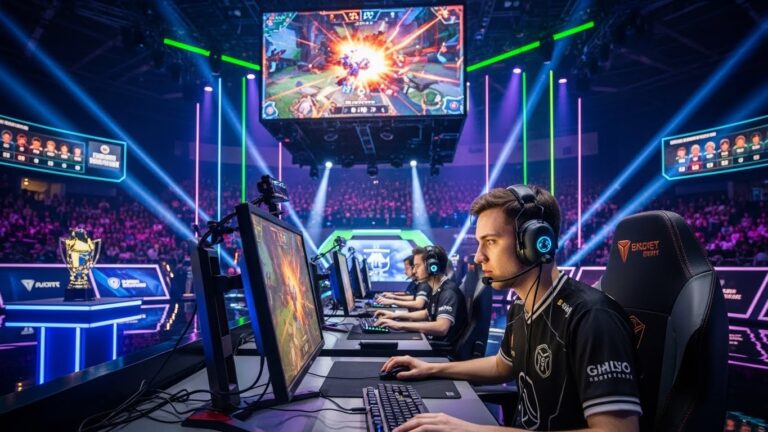
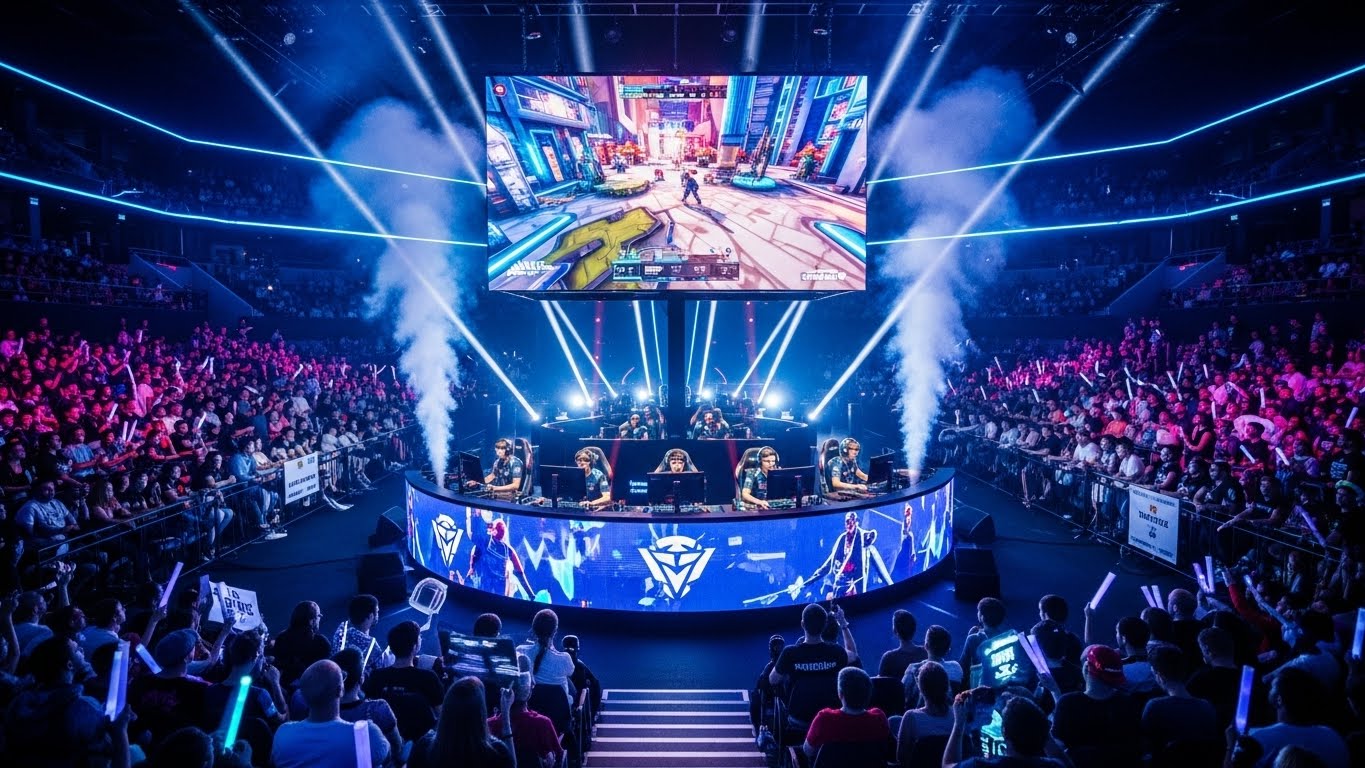
Esports is no longer just a niche corner of the gaming community. It has evolved into a global phenomenon, captivating millions of viewers and players alike. In this blog post, we will explore the evolution of esports, its current state, the factors that have contributed to its growth, and the future of this exciting industry. Whether you are a casual gamer, a dedicated esports fan, or someone curious about the competitive gaming world, this article will provide you with a comprehensive overview of esports’ journey from a hobby to a professional career path.
What is Esports?
At its core, esports refers to organized, multiplayer video game competitions, particularly between professional players, individually or as teams. Unlike casual gaming, esports involves structured tournaments, leagues, and events where participants compete for titles, prizes, and recognition. The games involved in esports span across genres, including first-person shooters (FPS), multiplayer online battle arenas (MOBA), real-time strategy (RTS), and sports simulations, among others.
Some of the most popular esports titles include League of Legends, Dota 2, Counter-Strike: Global Offensive, Overwatch, Fortnite, and Call of Duty. What sets esports apart from casual gaming is its highly competitive nature, with players dedicating countless hours to practice, strategy, and refinement of their skills.
The Evolution of Esports
Esports has been around in various forms since the early days of video gaming, but it wasn’t until the late 1990s and early 2000s that it began to take shape as a competitive, organized industry. The rise of internet cafes and LAN (Local Area Network) parties in the late ’90s helped foster a competitive gaming culture. Games like Quake and StarCraft became staples in the competitive gaming scene, with players battling for glory in small-scale local tournaments.
The real turning point for esports came in the 2010s. This period saw a boom in esports viewership, fueled by platforms like Twitch and YouTube. Esports events began to attract large-scale audiences both online and in person. The prize pools grew from a few thousand dollars to millions of dollars for major tournaments. The International (TI), an annual Dota 2 tournament, became one of the most watched esports events, with prize pools reaching over $30 million in some years.
The growth of professional esports teams and organizations also played a key role in shaping the industry. Teams like Cloud9, T1, and FaZe Clan became household names, with players turning their passion for gaming into full-time careers. As esports gained mainstream recognition, traditional sports organizations and brands began investing in the space, solidifying its legitimacy.
Factors Behind Esports’ Growth
Several factors have contributed to the explosive growth of esports over the past decade. Let’s take a closer look at some of the key elements that have helped esports evolve into a global powerhouse.
1. Streaming Platforms
Streaming platforms like Twitch, YouTube, and Facebook Gaming have played an instrumental role in the growth of esports. These platforms allowed players and fans to connect in real time, sharing experiences, strategies, and gameplays. For esports, streaming has provided a way for millions of viewers to watch live events, making esports more accessible and engaging than ever before.
Twitch, in particular, has become the epicenter of the esports world. It’s where fans tune in to watch live competitions, interact with their favorite streamers, and even learn from the pros. The platform’s growth coincided with the rise of esports, creating a symbiotic relationship between streaming and competitive gaming.
2. Sponsorship and Investment
As esports grew in popularity, it attracted major sponsorships from a range of industries, including tech companies, telecommunications, and consumer goods. Companies like Intel, Red Bull, Coca-Cola, and Nissan now sponsor top-tier esports teams, tournaments, and events. These sponsorships have helped fund larger prize pools, provide better infrastructure for tournaments, and elevate the professionalization of esports.
Big names from traditional sports have also recognized the potential in esports. In 2014, the NBA’s Philadelphia 76ers purchased an esports team, Team Dignitas, while football clubs like Manchester City and Paris Saint-Germain have also joined the esports scene. These investments show how esports is beginning to cross over into mainstream sports culture.
3. Technological Advancements
The rapid development of gaming technology has also played a role in the growth of esports. Advances in graphics, processing power, and internet speeds have allowed for more dynamic, engaging, and immersive gaming experiences. Games like Fortnite and Overwatch have benefited from these technological improvements, offering players and spectators smooth, high-quality gameplay.
Furthermore, virtual and augmented reality (VR/AR) have started to make their mark in esports. While VR esports is still in its early stages, the potential for more immersive and interactive competitions is vast. It’s only a matter of time before new technological innovations further transform the esports landscape.
4. Global Appeal
Esports has a unique ability to transcend geographical boundaries. Unlike traditional sports, where teams often represent specific cities or countries, esports teams and players can connect with fans worldwide. Tournaments such as League of Legends World Championship and Overwatch League feature teams from all over the world, with players representing countries across the globe.
This global appeal is amplified by the online nature of esports. Whether you’re in North America, Europe, Asia, or Africa, you can access and participate in esports tournaments, and most major esports events are streamed live for international audiences. This creates a global community that is unified by the love of competitive gaming.
The Future of Esports
As esports continues to grow, its future looks brighter than ever. But what does the next decade hold for this thriving industry?
1. Increased Professionalization
Esports is already a professional career path for many players, coaches, analysts, and content creators. However, as the industry matures, we can expect more formal structures to emerge. This could include the establishment of esports leagues similar to traditional sports, with stricter regulations, salaries, and benefits for players. Additionally, more universities are offering scholarships and degree programs in esports, providing aspiring players and professionals with a pathway into the industry.
2. Integration with Traditional Sports
We are also likely to see more integration between esports and traditional sports. With esports becoming a mainstream entertainment option, major sports leagues could incorporate gaming into their offerings. Some football teams already have esports divisions, and this trend could expand as esports becomes even more entwined with popular culture. It’s possible that in the future, traditional sports stadiums will host both physical and digital sporting events simultaneously.
3. New Game Genres and Experiences
While games like League of Legends and CS:GO dominate the esports world, new genres of games are likely to emerge, offering fresh challenges for players and fans alike. As technology continues to evolve, esports could branch out into new formats, such as VR/AR esports or mobile gaming tournaments, which could offer new kinds of experiences for both players and spectators.
4. Esports in Education and Health
As esports gains recognition as a legitimate sport, we can expect greater focus on the health and well-being of players. This includes mental health support, better training regimens, and improved understanding of the physical demands of professional gaming. In addition, esports is becoming an integral part of education, with more schools offering esports programs that focus not only on gaming but also on teamwork, strategy, and critical thinking.
5. Expanded Entertainment Ventures
In the coming years, esports may expand further into entertainment, with more partnerships between gaming companies and traditional entertainment industries. From movie adaptations and esports-themed TV shows to virtual concerts within games, the potential for cross-industry collaboration is enormous. These ventures will help mainstream esports even more, allowing it to blend with the broader entertainment ecosystem.
Conclusion
Esports has come a long way from its humble beginnings in the ‘90s, and it continues to evolve at an astonishing rate. It has grown into a global industry that offers countless opportunities for players, viewers, and businesses. The increasing professionalization, technological advancements, and worldwide appeal of esports indicate that its future will be just as exciting as its past.
For gamers, fans, and even aspiring professionals, the rise of esports is a testament to how the digital age has reshaped entertainment. As we look ahead, one thing is clear: esports is here to stay, and it will continue to redefine the way we view gaming and competition. Whether you’re playing in a tournament or cheering from the sidelines, the esports revolution is just beginning, and its impact on culture and society will be felt for years to come.
About the Author