
Introduction: The Evolution of Gaming into Esports
Esports, short for electronic sports, has rapidly grown from a niche hobby into a global industry, attracting millions of viewers, professional players, and substantial investment. What started as a casual pastime for gamers has now evolved into an organized, competitive arena with large-scale tournaments, sponsorships, and a multi-billion-dollar industry. As technology and connectivity have advanced, esports has emerged as a new form of entertainment that is challenging traditional sports, influencing culture, and creating new career opportunities for millions around the world.
In this blog, we will explore the rise of esports, its growing global impact, the key players involved, and what makes this new form of competition so appealing to fans and participants alike.
The Origins of Esports: From Hobby to Professional Sport
The roots of esports can be traced back to the early days of gaming in the 1970s and 1980s, when arcade games like Pong and Space Invaders allowed players to compete against one another for high scores. However, competitive gaming, as we know it today, began to take shape in the 1990s with the advent of LAN (Local Area Network) parties. These gatherings allowed players to connect their computers and play multiplayer games like Doom and Warcraft in real-time, laying the foundation for larger-scale competitions.
As the internet became more accessible in the early 2000s, online multiplayer games like Counter-Strike, StarCraft, and Quake helped transform casual gaming into something more serious. Professional tournaments began to emerge, with prize pools, sponsorships, and media coverage attracting more attention. Notably, events such as The International (for Dota 2) and League of Legends World Championship marked the beginning of esports as we know it today: a global phenomenon with dedicated fanbases and an ever-growing following.
Why Esports is Gaining Popularity
Esports’ appeal lies in several factors that distinguish it from traditional sports and other forms of entertainment. One of the main reasons behind its rapid rise is its accessibility. Unlike football, basketball, or soccer, you don’t need physical space, expensive equipment, or a team to start playing games. All you need is a computer or a gaming console, an internet connection, and the desire to compete.
The appeal of watching esports is also powerful. The fast-paced, high-stakes action makes esports events exciting to watch, even for those who aren’t familiar with the games being played. With players executing highly technical moves in real-time, viewers are treated to a display of precision, strategy, and teamwork. Esports fans experience the same rush of excitement and tension as sports fans, whether it’s the last-minute clutch play, a shocking upset, or a dramatic comeback.
Another factor driving the popularity of esports is its global reach. Esports has no boundaries. Players from any country can compete with or against each other, and fans can tune in from anywhere in the world. This global accessibility has helped build esports into a truly international spectacle, with competitions that are broadcast in multiple languages and time zones. Esports offers a sense of unity, as people from diverse backgrounds come together to share their love for gaming.
The Rise of Professional Esports: The Players, Teams, and Leagues
The world of professional esports is structured similarly to traditional sports leagues, with players forming teams and competing in organized events. These events, known as tournaments, can offer substantial prize money, often in the millions of dollars. In fact, some of the largest esports tournaments feature prize pools comparable to major sporting events like Wimbledon or the Super Bowl.
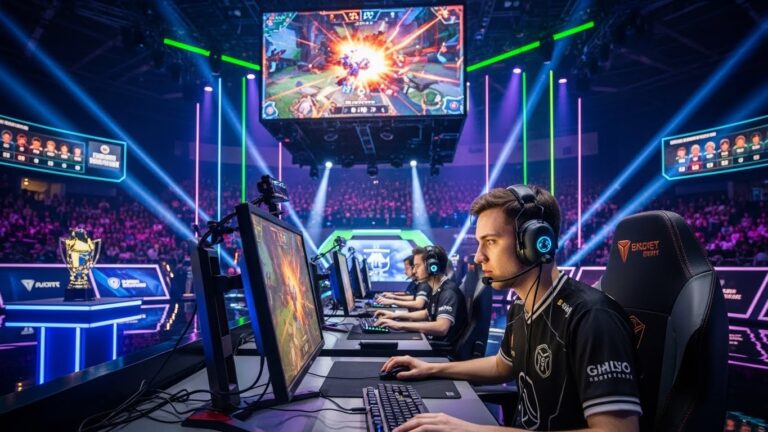
The players involved in these tournaments are often highly skilled individuals who dedicate hours each day to practice and improve their gameplay. Some players rise to fame through streaming platforms like Twitch and YouTube, where they can showcase their skills and build a fanbase. The most popular esports players often have sponsorship deals with major companies, much like professional athletes. They are not just gamers; they are influencers with significant followings, and their success has made esports into a viable career for many.
Esports teams, which are made up of professional players, coaches, analysts, and managers, have become central to the ecosystem. Teams such as Cloud9, Fnatic, and Team Liquid are household names within the esports community. They compete in various games such as League of Legends, Counter-Strike: Global Offensive, Dota 2, Fortnite, and Overwatch. These teams are often backed by major sponsors, including brands from technology, energy drinks, and even traditional sports organizations.
Major leagues and tournaments have become the backbone of esports, with organizations like ESL (Electronic Sports League), DreamHack, and Riot Games (which runs League of Legends) organizing high-profile events. These leagues bring together the best players from around the world and provide an opportunity for them to compete for fame and fortune. The most famous esports tournaments are streamed live, with millions of viewers watching the action unfold.
The Business of Esports: A Multi-Billion Dollar Industry
The economic potential of esports is staggering. According to recent estimates, the global esports market will generate over $1.5 billion in revenue by 2025. This growth is driven by various revenue streams, including sponsorships, advertising, media rights, merchandise sales, and ticket sales for live events.
One of the most lucrative sources of revenue for esports is sponsorship. Major brands across industries—from Coca-Cola to Intel to Nike—have recognized the massive audience that esports commands and are eager to partner with esports organizations. These sponsorships help fund tournaments, teams, and players, making it possible for esports to sustain its competitive ecosystem. Companies that advertise during esports events also benefit from direct exposure to a young, tech-savvy, and highly engaged audience.
Another significant revenue source is streaming platforms. Platforms like Twitch, YouTube Gaming, and Facebook Gaming have revolutionized the way people consume esports content. These platforms allow viewers to watch live streams of esports events and follow their favorite players. In return, the platforms generate revenue from ads, subscriptions, and donations.
The commercialization of esports has led to an influx of investment, with venture capital firms, traditional sports organizations, and media companies all looking to get a slice of the action. As esports grows, so does its impact on the entertainment industry, with esports tournaments even being broadcast on major television networks like ESPN, ESPN2, and TBS.
The Cultural Impact of Esports: Beyond the Games
Esports is not just about playing and watching games; it has become a cultural phenomenon that influences entertainment, fashion, social media, and even lifestyle. Esports stars are now cultural icons, with massive followings on platforms like Twitter, Instagram, and TikTok. These influencers often create content outside of gaming, including lifestyle vlogs, fashion collaborations, and sponsored partnerships.
Esports has also made its way into popular culture. Television shows, documentaries, and films are starting to highlight the world of competitive gaming, helping to normalize esports in mainstream society. In fact, esports is now being integrated into educational programs, with some universities offering scholarships for players, courses on esports management, and even degree programs focused on game design and development.
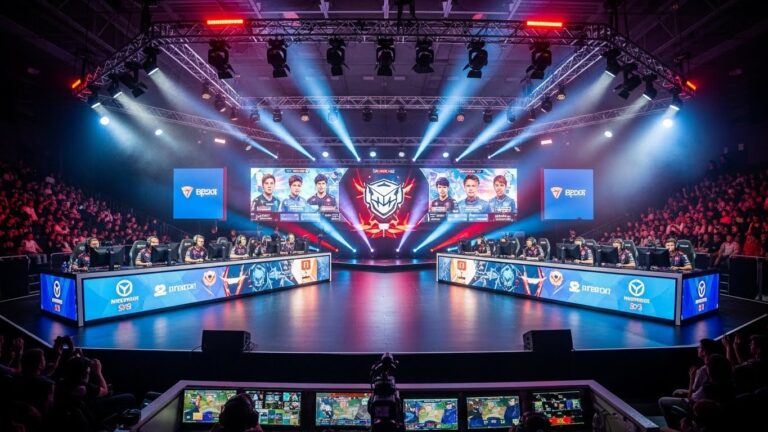
Moreover, esports events are often held in large arenas or stadiums, with thousands of fans attending live. The atmosphere at these events can rival that of traditional sports games, with fans donning team jerseys, waving flags, and participating in chants. The fan culture surrounding esports is comparable to that of traditional sports, with fans developing deep loyalty to their favorite teams and players.
Challenges Facing Esports: Sustainability, Regulation, and Player Well-being
Despite its rapid growth, esports faces several challenges. One of the most pressing issues is the sustainability of professional gaming careers. Many esports players start their careers at a young age and often peak in their mid-to-late teens or early twenties. The intense training and competition can lead to burnout, physical strain, and mental health challenges. There is an increasing focus on player wellness, with some esports organizations offering counseling, physical therapy, and life coaching to help players cope with the pressures of competition.
Additionally, as the industry grows, there is a need for regulation. Issues such as cheating, match-fixing, and player exploitation have occasionally marred the reputation of esports. To address these concerns, various governing bodies and organizations are working to establish fair play policies, player protections, and standardized contracts.
Another challenge is the potential for fragmentation in the esports ecosystem. With numerous games, leagues, and platforms emerging, there is a risk that esports could become too divided, which could reduce the overall growth and recognition of the industry. Efforts are being made to bring various stakeholders together to create a unified approach to the development of esports.
The Future of Esports: New Frontiers in Competition and Entertainment
Looking ahead, the future of esports looks incredibly promising. With advancements in technology, including virtual reality (VR), augmented reality (AR), and 5G internet, esports could become even more immersive and engaging. VR and AR, in particular, have the potential to revolutionize esports by allowing players to compete in fully immersive digital arenas, making the experience more dynamic and interactive.
The growing integration of esports into traditional sports is also likely to continue. Some traditional sports teams, like the New York Knicks and Paris Saint-Germain, have already launched their own esports teams. This crossover could result in new partnerships, larger sponsorship deals, and more mainstream recognition for esports.
As esports continues to evolve, we may also see the rise of new genres of competitive gaming. Mobile gaming, in particular, has exploded in popularity, and mobile esports tournaments are already becoming a significant part of the competitive gaming landscape. In the future, we could see new games, new formats, and new ways of experiencing competition.
About the Author