Esports has evolved from a niche hobby enjoyed by a select group of gamers into a multi-billion-dollar global phenomenon. Over the past decade, competitive video gaming has moved into the spotlight, not just as a form of entertainment, but as a cultural force reshaping how we engage with both gaming and sports. Esports tournaments are now watched by millions, players are treated like celebrities, and sponsorship deals rival those of traditional sports leagues. This blog explores the rapid rise of esports, its transformation into a mainstream industry, the factors contributing to its growth, and its future trajectory.
The Evolution of Esports: From Casual Play to Global Competition
The story of esports begins in the 1990s, a time when video games were mostly a solitary experience. Competitive gaming, though present, was relatively small and localized. Early video game competitions were often held at arcades or at local LAN (local area network) parties where gamers connected their systems to compete against each other. While these gatherings were often small and informal, they planted the seeds for what would become the global phenomenon of esports.
One of the most significant milestones came with the launch of StarCraft in the late 1990s. The real-time strategy game quickly gained a following, particularly in South Korea, where it became the centerpiece of competitive gaming. Korean gaming cafes were filled with players honing their skills, and tournaments began to take shape on a national scale. By the early 2000s, professional gaming was taking off, with games like Warcraft III and Counter-Strike leading the way.
The arrival of online gaming platforms like Battle.net and Steam further accelerated esports’ growth. These platforms allowed players to connect with one another globally, sparking the creation of larger tournaments and online leagues. But it wasn’t until the rise of platforms like Twitch that esports truly began its explosive growth on a global scale.
The Role of Streaming in Esports Growth
Streaming has been the key driver behind esports’ transition into the mainstream. Platforms like Twitch and YouTube Gaming have given players and fans a unique way to interact. Esports fans no longer need to attend live events to be a part of the action—they can watch matches, tournaments, and even casual gameplay from the comfort of their homes. This has created a new kind of audience for competitive gaming—one that is dedicated, global, and highly engaged.
One of the most significant aspects of streaming is how it has allowed players to monetize their skills. Professional gamers and streamers are now celebrities in their own right. Top players have amassed millions of followers, and their streams are watched by thousands of people. Popular streamers can earn money through a combination of ads, donations, sponsorships, and subscriptions, with some top streamers making more money than professional athletes in traditional sports.
This new form of entertainment has been particularly appealing to younger generations who are more inclined to engage with digital content over traditional forms of media. For many, esports has replaced traditional sports as a primary source of entertainment. The ability to watch live-streamed tournaments and interact with players has created a more personal connection between fans and their favorite athletes, blurring the lines between spectator and participant.
The Expanding Esports Ecosystem
Esports is no longer just about players sitting at their computers and competing. The ecosystem that surrounds esports is vast, encompassing a variety of roles, organizations, and industries. Professional gaming has become a full-fledged industry, with revenue streams that mirror those of traditional sports.
Professional Players and Teams
Just like in traditional sports, professional esports players compete in tournaments, leagues, and events for cash prizes, sponsorships, and fame. These players are often signed to esports organizations, which are teams that train, compete, and promote their players. Some of the most well-known esports organizations include Team Liquid, Cloud9, and T1. These teams recruit top talent, provide resources for training, and manage contracts and sponsorships for their players.
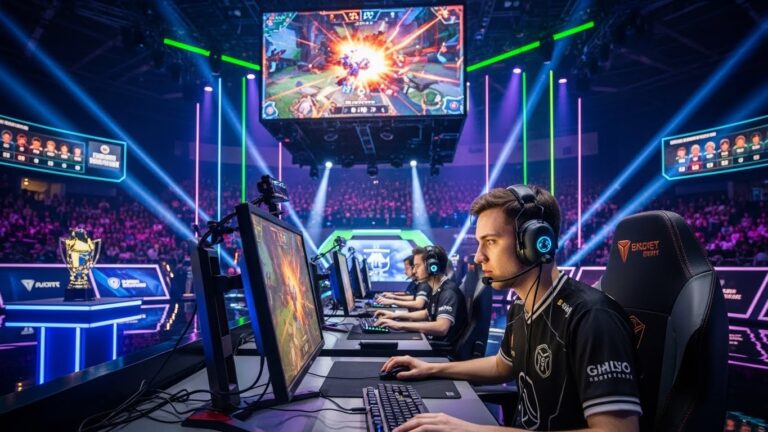
Top-tier players are often required to commit to full-time schedules, practicing for hours a day, analyzing gameplay, and keeping up with game updates and strategies. The competition is fierce, and the level of skill required to succeed is astronomical. In some games, players may need to make split-second decisions, coordinate with teammates, and understand deep game mechanics in order to outplay their opponents.
Tournaments and Leagues
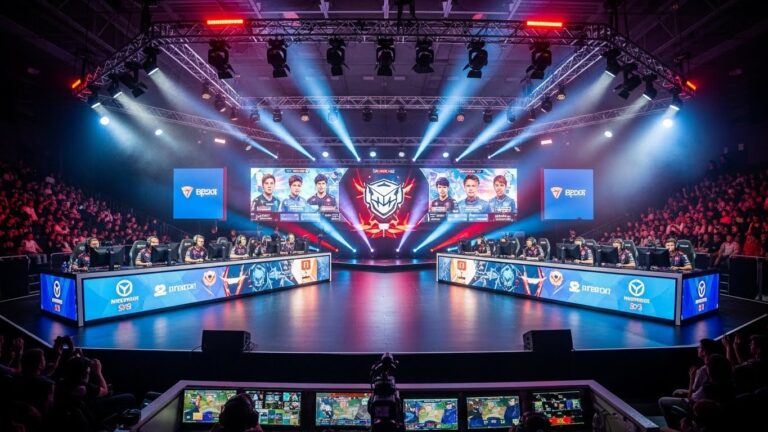
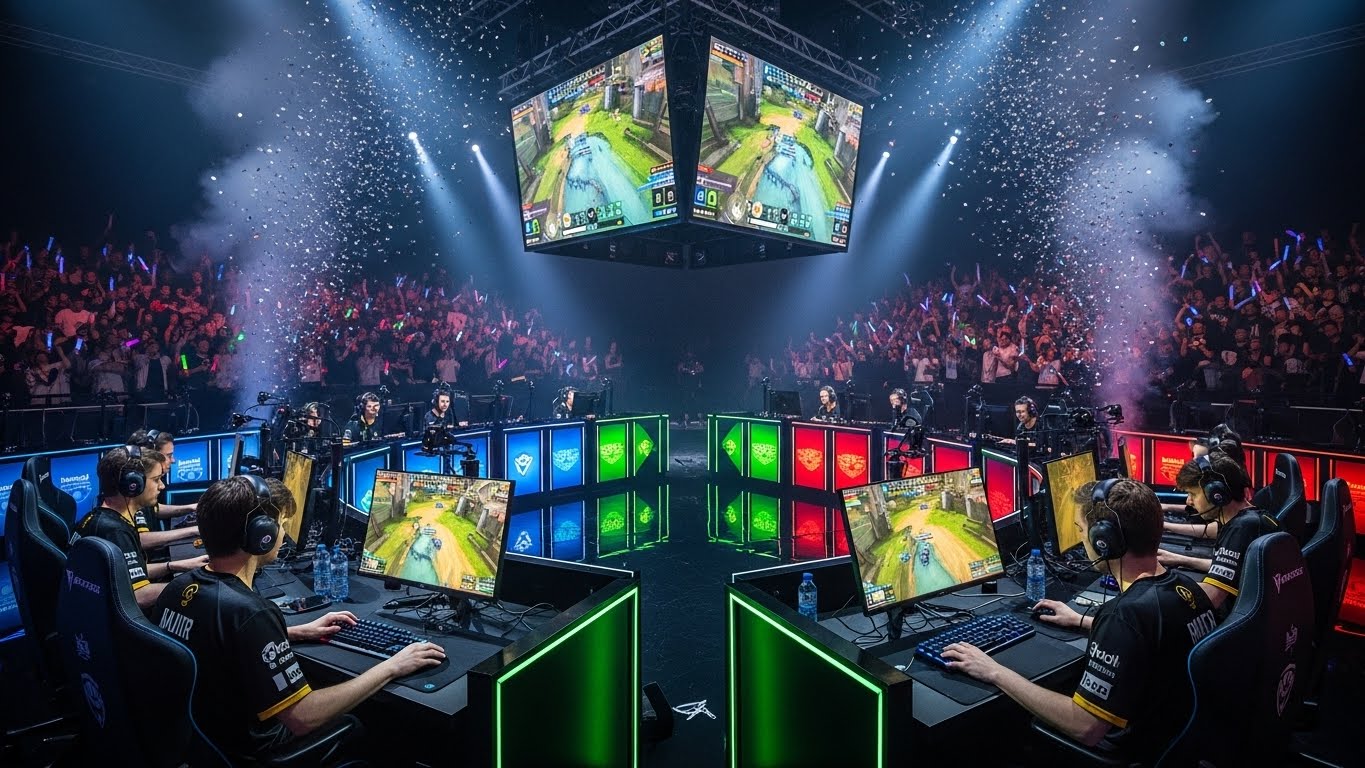
Esports tournaments are where the true spectacle lies. These events attract millions of viewers, both online and in person, and feature some of the largest prize pools in competitive sports. Tournaments like The International (Dota 2), League of Legends World Championship, and Fortnite World Cup have prize pools that can reach tens of millions of dollars, with the winner walking away with a portion of that fortune.
Some tournaments are open for any player to enter, while others are part of professional leagues with established teams. These leagues operate similarly to traditional sports leagues, with regular season matches, playoffs, and finals. Games like League of Legends, Overwatch, and Counter-Strike: Global Offensive have dedicated professional leagues with teams competing year-round.
Sponsors and Partnerships
Esports has also become a lucrative market for sponsors. Brands from all industries have recognized the vast potential of the esports audience, which is highly engaged and mostly made up of younger consumers. Companies such as Intel, Red Bull, Coca-Cola, and Mercedes-Benz have all invested heavily in esports sponsorships.
These brands are not just sponsoring tournaments but also partnering with teams and players to promote products and services. Sponsorships help fund the prize pools of tournaments and contribute to the overall growth of the esports ecosystem. For players and teams, these partnerships are often the largest source of revenue, along with tournament winnings and streaming income.
Media and Content Creation
Esports content extends far beyond the gameplay itself. Behind the scenes, there is a wealth of media coverage, from highlight reels and analysis to documentaries and interviews with players. Dedicated media outlets like Dexerto and The Esports Observer offer in-depth reporting on the esports world, covering everything from team dynamics to sponsorship deals.
Additionally, esports content creators are essential in keeping the community engaged. Popular streamers and YouTubers create content that ranges from gameplay tutorials to entertainment-focused videos. These creators help introduce new viewers to esports and cultivate a vibrant fan base.
The Global Appeal of Esports
One of the most remarkable aspects of esports is its global reach. While South Korea is often credited with being the birthplace of esports as a professional industry, the appeal of esports has spread far beyond its origins. Today, North America, Europe, China, and Southeast Asia are key regions where esports thrives.
In China, esports is viewed as both a form of entertainment and a career. The Chinese government has invested heavily in the esports industry, seeing it as an opportunity to boost national prestige and provide career opportunities. The League of Legends Pro League (LPL) is one of the most competitive and lucrative leagues in the world, attracting massive fan bases both domestically and internationally.
In Europe and North America, esports has also become a dominant force. Games like Overwatch, Counter-Strike, and Rocket League are hugely popular, with players from all around the world competing for titles and fame. Major tournaments are held in arenas, and large-scale events like DreamHack in Sweden attract tens of thousands of fans. Esports has become a truly international spectacle, with players from different countries representing teams across the globe.
Esports and the Future of Entertainment
The future of esports looks incredibly promising. The industry is set to continue growing, driven by advances in technology, increased media exposure, and the rising popularity of virtual reality (VR) and augmented reality (AR). As these technologies become more widespread, the way people experience esports will change, potentially offering more immersive and interactive viewing experiences.
Esports is also likely to continue its integration into traditional sports. Major sports leagues like the NFL, NBA, and European football clubs are already investing in esports, with some even launching their own esports leagues. This convergence between traditional sports and esports could open new avenues for fans and players alike.
Moreover, the expansion of esports into educational institutions is an important step. Colleges and universities around the world are introducing esports programs, offering scholarships for talented players and building competitive teams. These programs not only provide an outlet for students to pursue their passion for gaming but also prepare them for careers in the rapidly growing esports industry.
Conclusion
Esports has come a long way from its humble beginnings. What started as casual competitions among friends has grown into a multi-billion-dollar global industry with professional players, massive tournaments, and a passionate fanbase. The rise of streaming platforms, media coverage, and sponsorships has turned esports into a legitimate form of entertainment, rivaling traditional sports in terms of viewership and revenue.
As the industry continues to evolve, there are no signs of esports slowing down. The future promises even more growth, as technology advances and more people around the world embrace competitive gaming. For fans, players, and those working in the esports ecosystem, the rise of esports represents a revolution in how we consume and engage with entertainment, and it shows no sign of stopping anytime soon.
About the Author