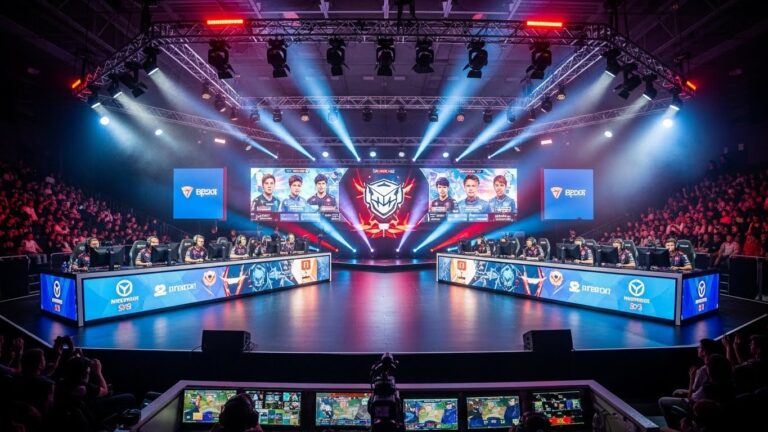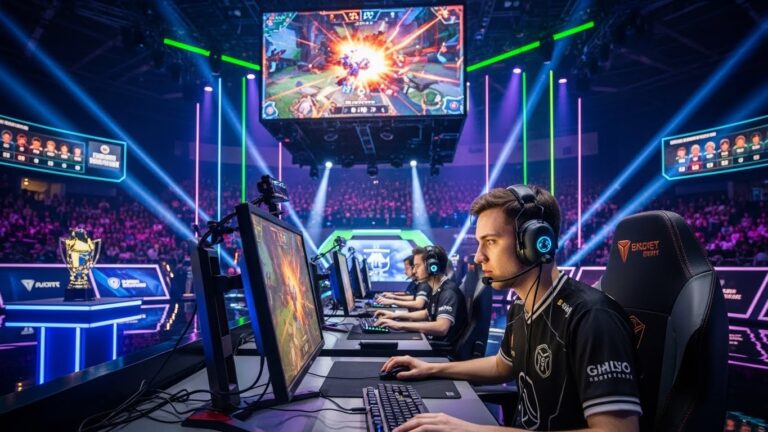
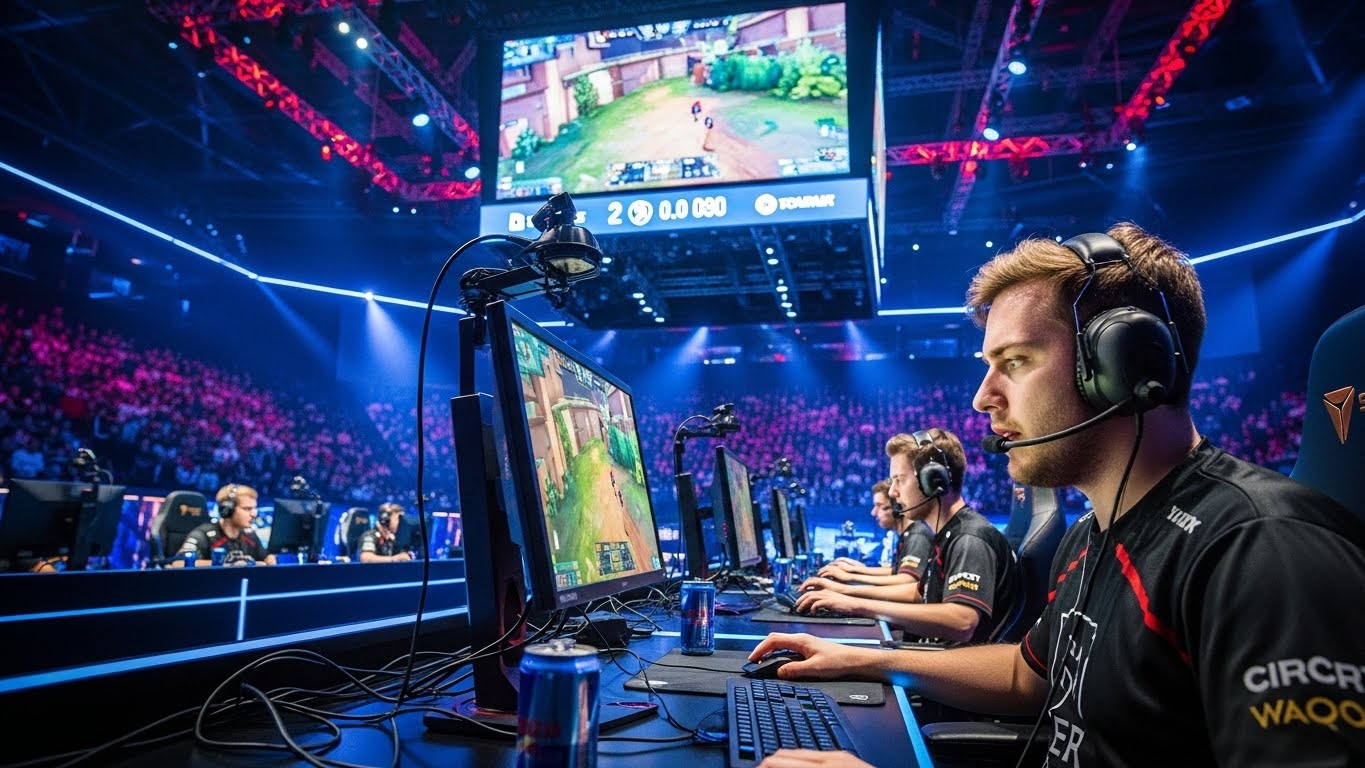
Esports, or competitive video gaming, has grown from a niche pastime into a global phenomenon that rivals traditional sports in popularity, professionalism, and cultural impact. What started as informal gatherings of friends challenging each other on early consoles and computers has evolved into a massive industry with professional players, international tournaments, multimillion-dollar prize pools, and millions of viewers worldwide. Today, esports is recognized not only as a form of entertainment but also as a career path, a social movement, and a technological frontier. This blog explores the origins, growth, social and economic impact, technological foundations, challenges, and future of esports.
The Origins of Esports
Esports has humble beginnings rooted in the passion of early gamers who sought to test their skills against others.
Early Competitions and Community Play
In the 1970s and 1980s, games like Space Invaders, Pac-Man, and Donkey Kong introduced the concept of competitive gaming. Players competed for high scores in arcades, often earning recognition and small prizes. These gatherings created the first communities of competitive players.
The Rise of LAN Tournaments
By the 1990s, local area network tournaments became popular. Games like Quake, StarCraft, and Counter-Strike allowed players to compete in small, organized events. These tournaments fostered teamwork, strategy, and rivalry while connecting players beyond their immediate localities.
The Online Era
The widespread availability of the internet in the late 1990s and early 2000s transformed esports. Gamers could compete globally, creating larger communities and establishing the foundation for professional leagues. Online connectivity enabled continuous play, rankings, and international competition that fueled the esports boom.
The Professionalization of Esports
Esports has evolved into a highly organized, professional industry with teams, coaches, analysts, and structured leagues.
Professional Teams and Player Development
Modern esports teams operate like traditional sports franchises. They employ managers, coaches, and analysts to improve performance. Players train rigorously, often for multiple hours each day, focusing on technical skills, strategy, communication, and mental resilience. Professional development includes physical conditioning, psychological coaching, and media training.
Competitive Game Titles
Esports spans a variety of game genres. Multiplayer online battle arenas such as League of Legends and Dota 2, first-person shooters like Counter-Strike: Global Offensive and Call of Duty, fighting games, battle royale titles, and sports simulations all have dedicated competitive circuits. Each genre attracts unique audiences and fosters specialized communities.
Major Tournaments and Prize Pools
Esports tournaments now rival traditional sports events in scale and excitement. Events like The International, League of Legends World Championship, and Fortnite World Cup feature millions of dollars in prize money. These competitions attract global audiences, intense media coverage, and sponsorships that drive the industry forward.
The Economic Impact of Esports
Esports has become a multi-billion-dollar industry with significant economic implications.
Sponsorships and Brand Integration
Major companies invest heavily in esports to reach young, engaged audiences. Sponsorships support teams, tournaments, and content creation. Brands leverage esports for marketing campaigns, product placements, and event partnerships, creating mutually beneficial relationships that drive industry growth.
Streaming and Content Creation
Streaming platforms have transformed the way fans engage with esports. Live broadcasts, tutorials, and player streams allow audiences to interact with competitors and build personal connections. Many professional players generate additional income through content creation, brand deals, and fan engagement.
Merchandise and Fan Economy
Merchandise sales, including jerseys, accessories, and digital items, contribute to the financial ecosystem. Fans develop a sense of belonging and identity through support for their favorite teams, further strengthening the esports economy.
Technology as the Backbone of Esports
Technology underpins esports, enabling competition, broadcasting, and global connectivity.
Gaming Hardware and Peripherals
Professional players rely on high-performance gaming equipment, including ultra-fast monitors, precision mice, mechanical keyboards, and optimized PCs or consoles. Advanced hardware ensures competitive fairness and enhances performance.
Online Infrastructure
Stable global servers allow players from different regions to compete in real time. Low latency, fair matchmaking, and server reliability are crucial to maintaining competitive integrity.
Broadcasting and Spectator Engagement
High-quality broadcasts with commentary, analytics, and instant replays have transformed esports into a spectator sport. Productions aim to entertain viewers, providing insights into gameplay strategies and player performance while creating an immersive viewing experience.
Emerging Technologies
Virtual reality, augmented reality, and AI-powered tools are beginning to influence esports. VR and AR offer new forms of immersive competition, while AI helps analyze gameplay, develop strategies, and enhance training methods.
The Social and Cultural Influence of Esports
Esports is more than competition; it is a cultural phenomenon shaping communities, lifestyles, and global culture.
Building Global Communities
Esports creates international communities that transcend geographic, linguistic, and cultural barriers. Online platforms allow fans to discuss games, participate in events, and support teams collectively, fostering social connections and shared experiences.
Shaping Youth Culture
Younger generations view esports as both entertainment and career aspiration. It influences fashion, language, music, and lifestyle choices. Esports heroes inspire audiences to pursue gaming professionally or creatively, redefining aspirations for digital-native generations.
Education and Skill Development
Esports programs in schools and universities teach teamwork, communication, strategic thinking, and leadership. Participation develops cognitive skills, decision-making abilities, and resilience, demonstrating that esports can provide meaningful educational value.
Mental Health and Personal Growth
Competitive gaming enhances focus, problem-solving, and emotional regulation. Structured training promotes discipline and confidence, while community support helps players develop a sense of belonging and purpose.
Esports as a Spectator Experience
Watching esports has become a major form of entertainment, offering dynamic narratives and interactive engagement.
Player Narratives and Rivalries
Fans are drawn to the personal journeys of players and teams. Stories of perseverance, comeback victories, and rivalries enrich the viewing experience, providing depth beyond the gameplay itself.
Live Events and Tournaments
Major esports events attract thousands of fans in arenas, creating electric atmospheres similar to traditional sports. Fans experience live gameplay, cheering for their favorite teams, and participating in a shared social environment.
Interactive Streaming
Live streams allow real-time fan interaction through chat, donations, and community engagement. This level of interactivity makes viewers active participants, bridging the gap between spectator and player.
Challenges Facing Esports
Despite its rapid growth, esports faces challenges that must be addressed for sustainable development.
Player Health and Well-Being
Long practice hours, travel schedules, and intense competition can lead to physical strain, eye fatigue, and mental stress. Teams are increasingly adopting wellness programs, ergonomic setups, and balanced routines to support player health.
Maintaining Competitive Integrity
Cheating, account sharing, and unfair practices threaten esports credibility. Organizations employ monitoring tools, strict rules, and enforcement protocols to maintain fair play.
Regulation and Governance
Esports operates across diverse legal systems with varying regulations. Standardized rules, player rights, and contractual agreements are necessary to ensure consistency, fairness, and legitimacy.
Financial Sustainability
While top-tier teams thrive, smaller organizations often struggle to maintain revenue streams. Sponsorship, content monetization, and merchandising are crucial for financial viability and industry growth.
The Future of Esports
Esports is poised for continued expansion and innovation, shaping the future of competitive entertainment.
Mobile Esports Expansion
Mobile gaming opens competitive play to broader demographics and regions. Its accessibility fuels participation and audience growth, particularly in emerging markets.
Integration with Traditional Sports
Collaboration between esports and traditional sports organizations enhances legitimacy and audience crossover. Shared sponsorships, joint events, and athlete endorsements strengthen connections between the two industries.
Immersive and Interactive Experiences
Virtual and augmented reality technologies will create more immersive competitions. Spectators and players will experience new forms of engagement that redefine the boundaries of esports.
Global Cultural Influence
Esports will continue to foster international communities and cultural exchange. Multilingual broadcasts, global tournaments, and cross-cultural collaboration will solidify esports as a universal form of entertainment.
Conclusion: Esports as a Defining Force of Modern Entertainment
Esports has transformed from a niche hobby into a global powerhouse of competition, culture, and technology. It combines skill, strategy, entertainment, and community in ways that resonate with millions worldwide. With professional teams, massive tournaments, interactive streaming, and technological innovation, esports has established itself as a legitimate career, cultural movement, and economic driver.
As the industry grows, it will continue to inspire players, connect global audiences, and expand the possibilities of digital competition. Esports is more than a pastime; it is a dynamic, evolving phenomenon that reflects the creativity, connectivity, and competitive spirit of the digital age.
The world of esports has arrived, and it is here to stay, shaping how we play, watch, and experience the future of entertainment.
About the Author