Introduction: The Digital Age of Competition
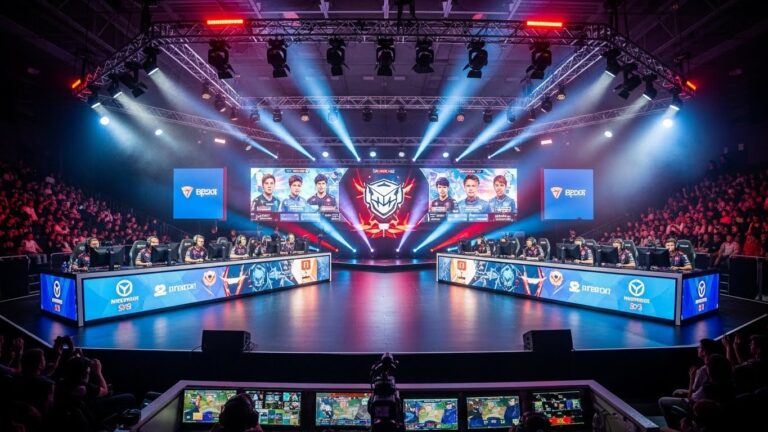
Esports, short for electronic sports, has transformed the world of gaming from a casual pastime into a global phenomenon. Once dismissed as merely a hobby for teenagers, esports now represents a professional and highly organized industry with millions of players, fans, and investors worldwide. Professional leagues, multi-million-dollar tournaments, and celebrity gamers have elevated competitive gaming into a legitimate form of entertainment and sport. This blog explores the history, growth, cultural significance, and future potential of esports.
The Early Origins of Competitive Gaming
The foundation of esports was laid decades ago, long before high-speed internet and streaming platforms existed. In the 1970s and 1980s, arcades became gathering points for gamers who competed for high scores in games like Space Invaders, Pac-Man, and Donkey Kong. These early competitions, though informal, introduced the concept of organized gaming contests.
The 1990s brought personal computers and home consoles into households, expanding opportunities for multiplayer gaming. Local Area Network (LAN) parties allowed players to connect their computers in a single location, fostering community interaction and competitive play. Early competitive games, such as fighting games and first-person shooters, began to form the initial structure of what would eventually become professional esports.
The Internet Revolution: Connecting Gamers Globally
The emergence of the internet revolutionized competitive gaming. Suddenly, players could compete with opponents across the globe in real time. Online multiplayer games created new communities and gave birth to global competitions. Games such as Counter-Strike and StarCraft gained international followings and became early staples of esports tournaments.
Streaming platforms further transformed esports into a spectator sport. Fans could watch matches live, follow favorite players, and engage with communities online. This shift not only increased the visibility of esports but also created new revenue streams for players, teams, and event organizers. Online spectatorship turned competitive gaming into an interactive entertainment experience enjoyed by millions worldwide.
The Emergence of Professional Esports
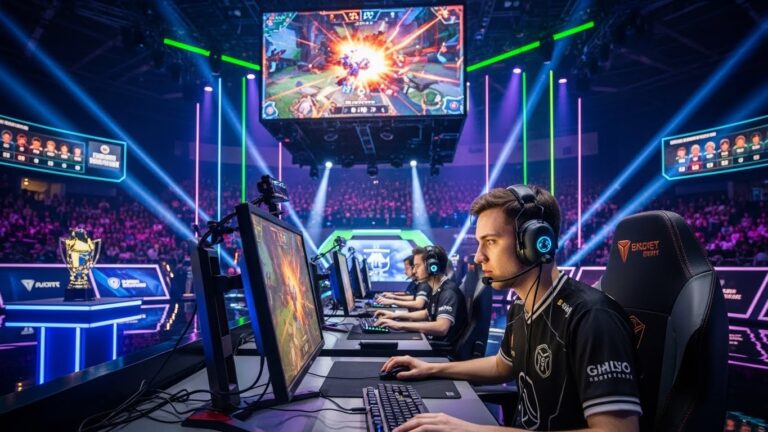
With growing audiences, esports transitioned into a professional industry. Professional teams now operate similarly to traditional sports teams, employing coaches, managers, analysts, and dedicated support staff. Players train extensively, developing advanced strategies, mastering game mechanics, and honing teamwork skills to compete at the highest levels.
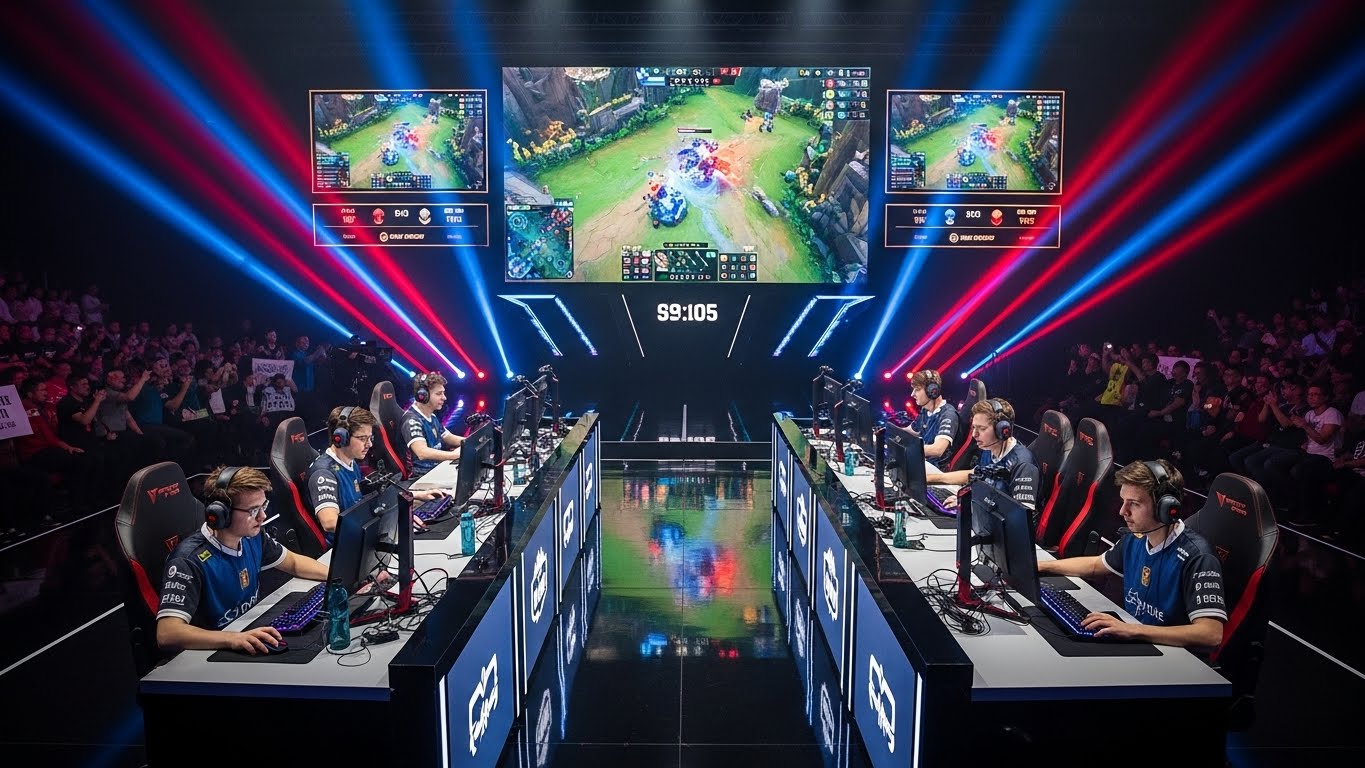
Structured leagues and official tournaments added legitimacy to esports, attracting sponsorships, media coverage, and corporate investment. Major competitions, such as global championships in games like League of Legends and Dota 2, offer prize pools in the millions, demonstrating the economic potential of esports. This professionalization has turned gaming into a career for talented individuals worldwide.
Game Developers as Catalysts
Game developers play a crucial role in shaping esports. Modern competitive games are designed with professional play in mind, offering balanced mechanics, spectator modes, and tournament-friendly features. Developers collaborate with tournament organizers to ensure fair play and maintain a high standard of competition.
Regular updates and new content keep games fresh, engaging both players and audiences. Developers’ investment in competitive modes ensures that esports remains dynamic, challenging, and appealing over the long term. Without their support, the professional esports ecosystem would lack structure and sustainability.
Esports as a Cultural Phenomenon
Esports has grown beyond gaming into a cultural movement. It connects people worldwide through shared interests, transcending language, geography, and social boundaries. Fans follow their favorite teams, discuss strategies, and celebrate victories with the same passion as traditional sports enthusiasts.
The influence of esports is visible in online culture, including memes, fashion, and social media trends. Universities now offer esports scholarships, high schools form competitive teams, and academic institutions recognize the strategic, cognitive, and social skills involved in competitive gaming. Esports has created a unique identity for a generation raised in a digital environment.
Economic Impact of Esports
The economic influence of esports is immense. Revenue streams include sponsorships, advertising, ticket sales, merchandise, media rights, and in-game purchases related to esports events. Global brands recognize esports as an effective way to engage younger audiences, who are often difficult to reach through traditional media channels.
Large-scale tournaments attract millions of online viewers and fill arenas with enthusiastic fans. Sponsorships from technology companies, energy drinks, and lifestyle brands have elevated esports into a lucrative business ecosystem. The economic impact extends beyond gaming companies to industries such as apparel, entertainment, and education.
Esports Personalities and Influencers
Esports stars and content creators are central to the industry. These personalities not only compete at professional levels but also engage audiences through live streaming, tutorials, commentary, and social media. Players such as professional gamers and streamers have become influential public figures, inspiring millions of fans around the world.
Influencers bridge the gap between casual players and the professional scene. They provide insight into strategies, offer entertainment, and foster strong community engagement. Their role has helped esports gain mainstream recognition and appeal to broader audiences.
Globalization of Esports
Esports has emerged as a global phenomenon. Professional tournaments regularly feature teams from multiple continents, creating opportunities for international competition and cultural exchange. Regions such as East Asia became early leaders in esports development, while North America, Europe, and emerging markets continue to contribute to the industry’s growth.
International competitions highlight the diversity of the esports community. Fans support players from different countries, creating global fan bases and fostering a sense of unity. The worldwide reach of esports illustrates its capacity to bring together people from diverse backgrounds through a shared passion.
Education and Career Opportunities
Esports has opened up multiple educational and career opportunities. Universities offer programs in esports management, game development, and digital media. Scholarships are available for skilled players, while career paths exist in coaching, event management, marketing, content creation, analysis, and broadcasting.
The professional ecosystem supports a variety of roles beyond playing. Esports has created sustainable career opportunities that combine creativity, strategy, technical skills, and entertainment. This professionalization has helped legitimize esports as a long-term industry rather than just a hobby.
Challenges Facing Esports
Despite its rapid growth, esports faces challenges. Player health and well-being are critical concerns, as long hours of practice and competition can lead to burnout, mental stress, and physical strain. Proper training schedules and support systems are essential for sustaining player performance.
Regulation and governance are still developing. Ensuring fair play, managing contracts, and addressing ethical concerns requires standardized rules and oversight. Additionally, balancing game updates with competitive fairness remains an ongoing challenge for developers and tournament organizers alike.
The Future of Esports
The future of esports is promising, with emerging technologies shaping new possibilities. Virtual reality, augmented reality, and advanced gaming hardware could transform the way competitions are played and experienced. Enhanced spectator experiences, immersive gameplay, and innovative tournament formats will continue to drive audience engagement.
Esports may gain further recognition in mainstream sports and international competitions. As investment grows and communities expand, esports is poised to remain a major force in global entertainment. Its growth will likely inspire new generations of players, fans, and professionals.
Conclusion: Esports as a Transformative Force
Esports has grown far beyond a simple gaming activity. It has become a cultural, social, and economic phenomenon that connects millions of people worldwide. With professional leagues, high-profile tournaments, global audiences, and career opportunities, esports has proven itself as a legitimate industry with long-term potential.
The influence of esports extends to education, technology, entertainment, and culture. As the industry continues to evolve, it will redefine competition, creativity, and community in the digital age. Beyond the screen, esports represents innovation, opportunity, and human connection, shaping the future of competitive entertainment.
About the Author