Esports, short for electronic sports, has evolved from a casual hobby into a global phenomenon, reshaping the landscape of entertainment, competition, and professional careers. What once began as simple arcade competitions has grown into a multibillion-dollar industry, captivating millions of players and spectators worldwide. Esports merges strategy, skill, technology, and entertainment in a way that is uniquely suited to the digital age, creating opportunities for players, organizations, and fans alike.
The rise of esports is not only a reflection of technological advancement but also a cultural shift. It challenges traditional definitions of sports and entertainment, introducing new forms of competition, career paths, and social interaction. Understanding esports requires exploring its history, the structure of competitions, the life of professional players, the economic ecosystem, technological innovations, cultural significance, challenges, and the future of this rapidly expanding industry.
The Origins of Competitive Gaming
The roots of esports can be traced back to the early days of video games in the 1970s and 1980s. Simple arcade games such as Pong, Space Invaders, and Pac-Man introduced players to competitive gameplay. Players would compete for high scores, establish reputations, and participate in local tournaments. These early competitions fostered skill, reflexes, and strategic thinking, laying the groundwork for future organized gaming competitions.
The introduction of home computers and gaming consoles in the 1980s and 1990s allowed multiplayer gaming to expand beyond arcades. Games like Doom, Quake, and Warcraft enabled players to connect over local networks and later the internet. This period marked a shift from casual competition to organized, networked gameplay, creating the first online gaming communities. These communities became critical in developing competitive culture, sharing strategies, and organizing tournaments.
The Professionalization of Esports
The early 2000s marked a turning point for esports. Competitive gaming became more structured, with organized leagues, sponsored teams, and televised tournaments. Games such as StarCraft, Counter-Strike, and DotA emerged as foundational titles for professional competition. South Korea played a pivotal role in this transformation, establishing professional leagues and dedicated training facilities for players. StarCraft, in particular, became a cultural phenomenon, demonstrating that gaming could be a serious professional pursuit.
Professionalization also extended to other regions, with tournaments and leagues forming in North America, Europe, and Asia. Sponsorships, prize pools, and media coverage provided financial incentives for players and teams, turning esports into a viable career path. Online streaming platforms began to emerge, allowing fans to follow competitions and connect with players on a global scale.
The Global Expansion of Esports
In the past decade, esports has exploded into a global industry, encompassing a wide variety of games and genres. Popular titles include League of Legends, Dota 2, Counter-Strike: Global Offensive, Overwatch, Valorant, Fortnite, Call of Duty, and many more. Each game has its own competitive ecosystem, complete with professional teams, leagues, and tournaments.
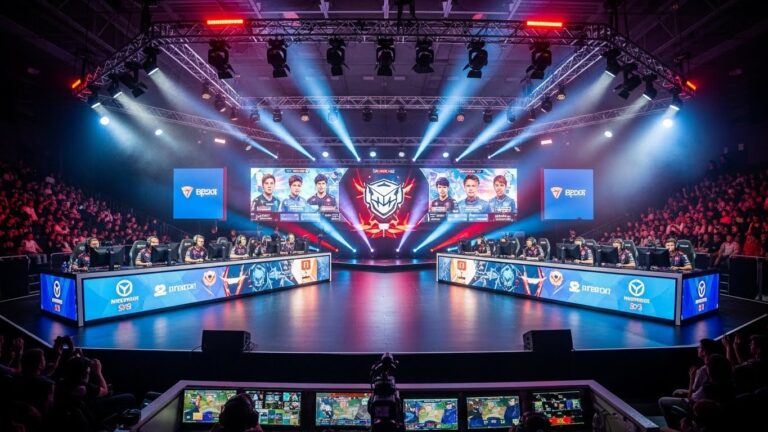
Major esports events now rival traditional sports in scale and popularity. The League of Legends World Championship attracts millions of viewers, while The International for Dota 2 features prize pools worth tens of millions of dollars. Large stadiums host live audiences, creating the electric atmosphere of a sports arena. Streaming platforms like Twitch and YouTube Gaming allow fans to watch live matches, interact with players, and participate in global communities. Esports has grown into both a spectator sport and a cultural movement.
The Structure of Esports Competitions
Esports tournaments are highly organized and structured, often mirroring traditional sports formats. Players join professional teams that provide coaching, training, and strategic support. Leagues operate on seasonal schedules, with regular matches, playoffs, and championships culminating in global events. Tournament formats vary by game and may include single elimination, double elimination, round-robin, or best-of-series structures.
Team-based games require coordination, communication, and strategic synergy. Individual skill is important, but teamwork often determines the outcome. Solo competitive games emphasize reflexes, precision, and tactical decision-making. These structures ensure fairness, excitement, and high stakes, providing players and audiences with engaging and competitive experiences.
The Life of a Professional Esports Player
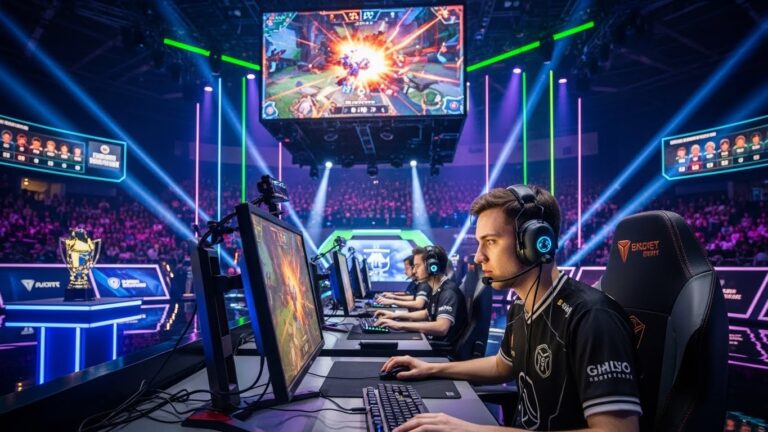
Professional esports players maintain highly disciplined routines. Training often exceeds ten hours per day, including gameplay practice, strategic analysis, team coordination, and mental conditioning. Reflexes, decision-making, and hand-eye coordination are continually developed, while physical fitness and mental health are essential for sustaining performance.
Esports careers are typically shorter than those in traditional sports, with players often peaking in their early to mid-twenties. Many transition into coaching, content creation, team management, or broadcasting after retirement. Top players can achieve fame, lucrative salaries, sponsorship deals, and dedicated fan followings, elevating them to celebrity status in the gaming world.
The Economic Impact of Esports
Esports has developed into a multibillion-dollar industry with diverse revenue streams. Sponsorships, media rights, advertising, merchandise, ticket sales, and in-game purchases all contribute to its economic ecosystem. Global brands recognize esports as a platform for reaching younger, digitally engaged audiences, investing heavily to connect with fans and players.
Esports organizations operate like professional sports franchises, managing players, coaches, analysts, content creators, and marketing professionals. Tournaments generate revenue through ticket sales, broadcast deals, and sponsorships, funding prize pools and event production. The professionalization of esports ensures sustainability and growth, providing employment opportunities and supporting the wider gaming industry.
Technology Driving Esports
Technology is at the core of esports. High-performance computers, specialized peripherals, low-latency internet connections, and advanced graphics systems enable competitive play at the highest level. Streaming platforms allow live broadcasts to millions of viewers worldwide, creating a shared global experience.
Data analytics is increasingly important in esports. Teams use software tools to track player performance, analyze opponents, and refine strategies. Artificial intelligence and machine learning are being integrated to optimize training, simulate opponents, and enhance the spectator experience. Emerging technologies like virtual reality and augmented reality are poised to revolutionize both gameplay and viewership, pushing esports into new immersive territories.
Cultural Significance of Esports
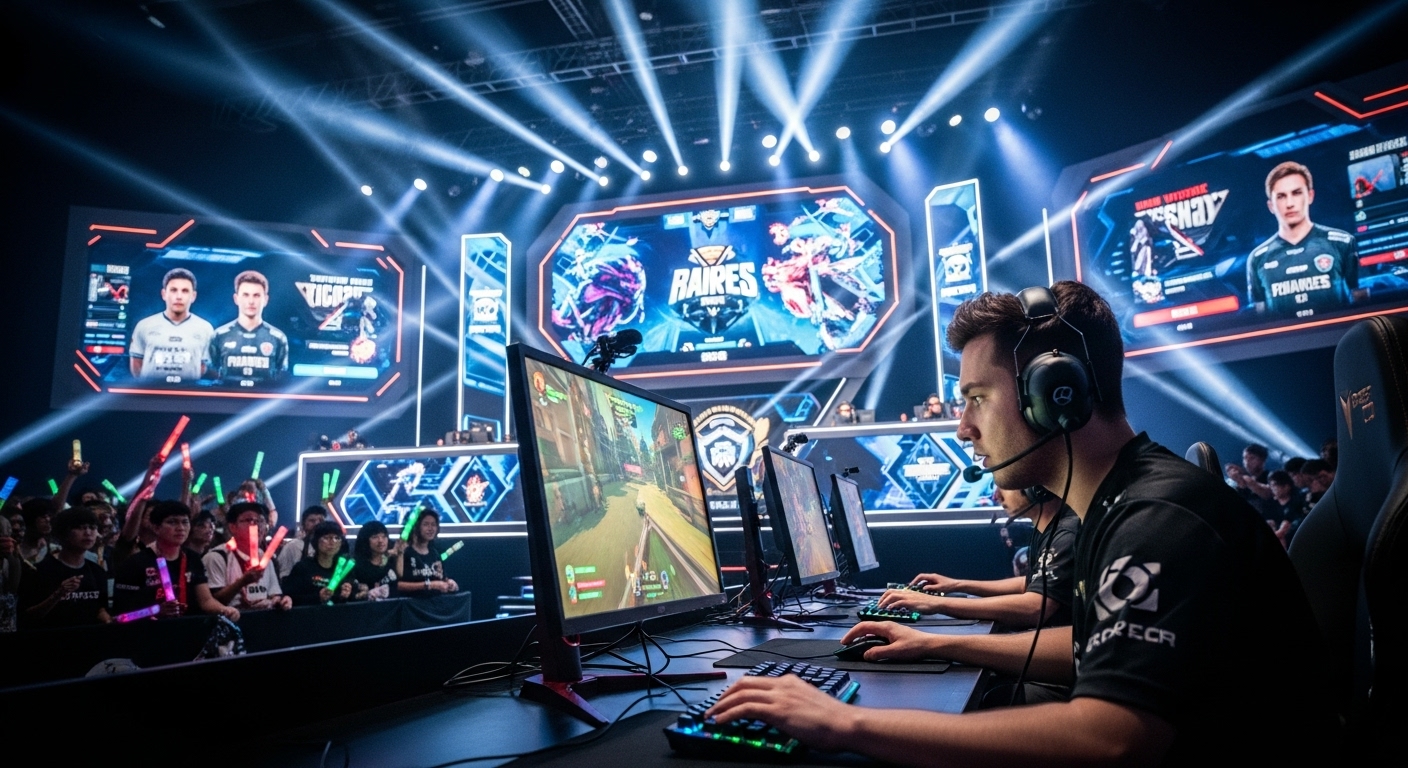
Esports is more than a competitive activity; it is a cultural movement. It influences fashion, music, language, and social interaction. Professional players gain celebrity status, and fan communities actively engage through discussion, fan art, memes, and content creation. Live events often include cosplay, music performances, and interactive experiences, making esports a lifestyle as much as a sport.
The inclusivity of esports allows players and fans from diverse backgrounds to participate and thrive. Unlike many traditional sports, barriers related to gender, physical ability, and nationality are less restrictive. Communities are built around shared passion and skill, creating global social networks that connect people through competition and entertainment.
Esports in Education and Career Development
Educational institutions have recognized the value of esports, offering programs, scholarships, and collegiate leagues. These programs provide training, competitive opportunities, and skill development in teamwork, strategy, leadership, and digital literacy. Collegiate esports mirrors professional structures, preparing students for careers in gaming, media, and related industries.
Academic research examines cognitive, social, and psychological aspects of esports. Studies highlight benefits such as strategic thinking, focus, collaboration, and resilience. Integrating esports into education demonstrates its legitimacy as a field of study and a viable career pathway for the next generation.
Challenges Facing the Esports Industry
Despite its rapid growth, esports faces challenges. Player burnout, mental health concerns, and physical strain are ongoing issues. Maintaining fairness and integrity, addressing cheating, and ensuring ethical practices are critical to sustaining credibility. Inclusivity, gender balance, and equal representation are areas where the industry continues to evolve.
Industry stakeholders must prioritize player welfare, establish regulatory frameworks, and maintain ethical standards. Addressing these challenges is essential for long-term sustainability and for preserving the appeal and legitimacy of esports globally.
The Future of Esports
The future of esports is bright and full of potential. Technological innovation, global expansion, and new forms of audience engagement will continue to shape the industry. Virtual reality, augmented reality, and artificial intelligence will create immersive experiences for players and spectators alike. Interactive broadcasting and advanced analytics will further enhance engagement and competitive strategy.
Esports is likely to integrate more deeply with traditional sports, media, and entertainment. Collaborations with major brands, music festivals, and sports organizations will elevate visibility and cultural relevance. The accessibility, scalability, and technological foundation of esports ensure that it will continue to attract new audiences, expand globally, and remain a dominant form of competitive entertainment.
Conclusion: Esports as a Defining Force in Modern Entertainment
Esports has transformed the way the world views competition, skill, and entertainment. From early arcade games to global tournaments with millions of viewers, it has grown into a complex, professionalized, and culturally significant phenomenon. Professional players, dedicated teams, passionate fans, and innovative technologies have created a global ecosystem that thrives on competition, engagement, and creativity.
The rise of esports reflects broader trends in technology, culture, and media. It challenges traditional notions of sport, fosters global communities, and creates new career opportunities. Esports is more than just competitive gaming—it is a defining aspect of modern entertainment, a platform for creativity and strategy, and a cultural movement that continues to inspire players and audiences around the world.
About the Author