Introduction
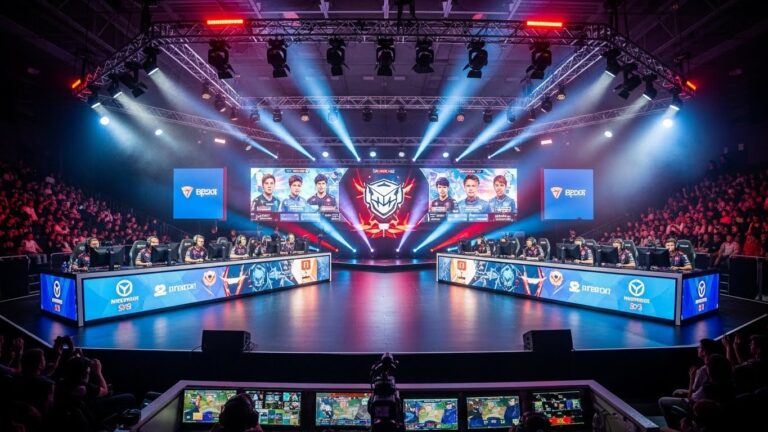
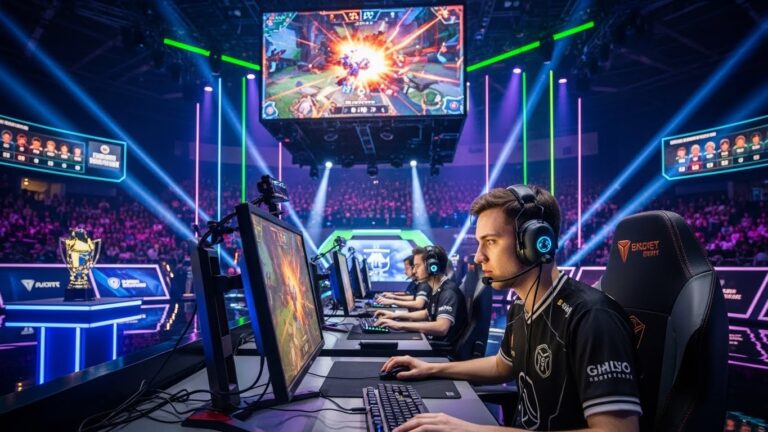
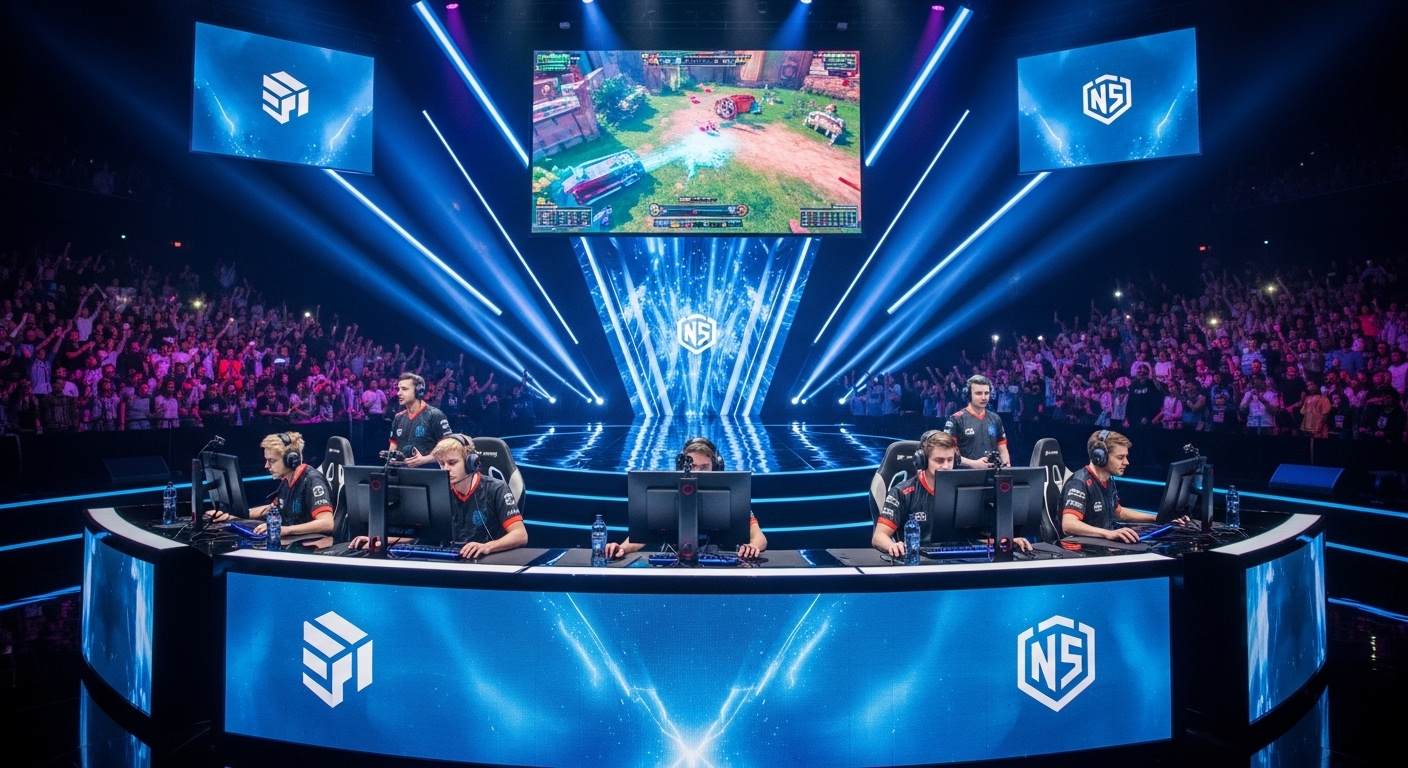
Esports, or competitive video gaming, has grown from a niche pastime into a global phenomenon with professional leagues, multi-million-dollar tournaments, and millions of dedicated fans. Once viewed as a casual hobby, esports has now established itself as a legitimate form of competition, entertainment, and career opportunity. The industry’s expansion has been fueled by advances in technology, increased internet accessibility, and the rise of streaming platforms, which have enabled players and fans to connect like never before.
This blog will explore the history, evolution, cultural impact, technological advancements, and future trends of esports. By examining the growth of the industry, we can understand how competitive gaming has influenced global entertainment and why it continues to captivate millions worldwide.
The Origins of Competitive Gaming
The roots of esports can be traced back to the 1970s and 1980s, when video games began gaining popularity in arcades and homes. Early competitions often revolved around high scores in games like Space Invaders, Pac-Man, and Donkey Kong. These events were small-scale, but they planted the seeds for competitive gaming by demonstrating that video games could be both entertaining and skill-based.
The 1990s brought a pivotal shift with the rise of multiplayer gaming over local networks and the early internet. Titles such as Quake, StarCraft, and Warcraft III allowed players to compete online, creating global communities of competitive gamers. Early tournaments, though limited in reach, showcased the potential for professional-level competition and laid the foundation for modern esports leagues.
The Growth of Esports in the Early 2000s
The early 2000s marked the transition of esports from casual competitions to structured professional events. Broadband internet became more accessible, enabling online multiplayer games to thrive. This period saw the emergence of organized tournaments with cash prizes, attracting skilled players and forming early professional teams.
Games such as Counter-Strike, Halo, and DotA began to establish competitive communities. Players were no longer merely enthusiasts but competitors striving for recognition, rankings, and rewards. This era also marked the start of sponsorships from gaming hardware companies, which recognized the marketing potential of esports.
Universities and gaming clubs began acknowledging competitive gaming, offering scholarships and organizing campus tournaments. This shift lent legitimacy to the idea of gaming as a profession and highlighted the skill, dedication, and strategy involved in esports.
The Role of Streaming Platforms in Esports Expansion
The rise of streaming platforms revolutionized how esports is consumed. Platforms such as Twitch and YouTube Gaming allowed fans to watch live competitions, interact with other viewers, and follow professional players in real-time. This created a social aspect to gaming, transforming spectatorship into an interactive experience.
Streaming increased accessibility and engagement by allowing audiences worldwide to watch major tournaments and daily gameplay sessions. Fans could learn strategies, analyze professional techniques, and participate in the esports community from home. The social component of streaming contributed significantly to the global popularity of esports.
Monetization through subscriptions, donations, advertisements, and sponsorship deals enabled professional gamers to build sustainable careers. Many players now combine tournament earnings with streaming revenue, creating a dual pathway for financial success. This integration of content creation and professional competition solidified esports as both an entertainment medium and a career path.
Major Esports Titles and Their Influence
Certain video games have been instrumental in shaping the esports landscape. Multiplayer online battle arena (MOBA) games such as League of Legends and Dota 2 have defined competitive gaming with complex strategies, team coordination, and dynamic gameplay. These games host some of the largest tournaments, attracting millions of viewers and creating massive prize pools.
First-person shooters (FPS) such as Counter-Strike: Global Offensive, Call of Duty, and Overwatch emphasize precision, reflexes, and tactical planning. These titles foster intense competitive environments and are central to major esports leagues.
Fighting games, sports simulations, and battle royale titles contribute to the diversity of esports. Games like Super Smash Bros., FIFA, and Fortnite attract distinct communities, each with unique cultures, competitive formats, and global tournaments. The variety of game genres ensures esports appeals to a broad audience and supports a wide spectrum of competitive talent.
Professional Teams and the Esports Ecosystem
Esports teams operate similarly to traditional sports franchises. They recruit and train professional players, organize practice schedules, and compete in regional and international tournaments. Teams also rely on a support network that includes coaches, analysts, content creators, and marketing personnel.
Sponsorship deals play a critical role in the esports ecosystem. Brands ranging from hardware manufacturers to beverage companies and apparel lines recognize the value of reaching a young, tech-savvy audience through esports partnerships. These collaborations provide financial stability for teams and expand brand visibility.
Esports academies and training programs further professionalize the industry. Aspiring players receive coaching in gameplay, strategy, and mental resilience. Nutrition, physical conditioning, and time management are also emphasized to ensure players can sustain high-performance levels. This infrastructure mirrors traditional sports systems, enhancing the competitive standards and long-term viability of esports careers.
The Economics of Esports
The esports industry generates revenue from multiple channels. Tournament prize pools have grown exponentially, with flagship events offering millions of dollars in rewards. Sponsorships, advertising, media rights, merchandise, and streaming revenue contribute to the financial ecosystem, making esports a lucrative industry for teams, players, and organizers alike.
Streaming has further diversified revenue streams. Top-tier players often earn substantial income from subscriptions, donations, and brand endorsements. The integration of competitive events with content creation ensures that the esports economy is multifaceted and sustainable.
Investment in technology infrastructure, including high-performance computers, servers, and broadcasting tools, supports both gameplay and viewer experiences. This financial and technological ecosystem has enabled esports to achieve global prominence comparable to traditional sports industries.
Global Reach and Cultural Impact
Esports is a worldwide phenomenon, with major hubs in Asia, North America, and Europe. South Korea is recognized as a pioneer, with professional esports deeply embedded in its culture. China’s esports industry has seen rapid growth, supported by both government initiatives and widespread popularity.
The cultural impact of esports is profound. It has shifted societal perceptions of gaming, demonstrating that it can be a legitimate profession and a form of competitive entertainment. Esports also intersects with fashion, music, and digital content creation, expanding its influence beyond gaming alone.
Online communities built around esports are diverse, connecting players and fans across countries and cultures. Discussions about strategy, favorite teams, and game updates foster a global culture centered on digital competition and shared experiences.
Education and Esports: Developing Talent
Educational institutions are increasingly integrating esports into curricula and extracurricular activities. Universities offer scholarships for competitive gaming, combining academic pursuits with professional training. Courses in game design, analytics, and sports management prepare students for roles within the esports industry.
High school and youth programs promote esports as an activity that develops teamwork, strategic thinking, and communication skills. These initiatives emphasize responsible gaming while creating pathways for aspiring professionals. Education ensures that the esports ecosystem continues to grow with a well-trained and knowledgeable talent pool.
Technological Advancements in Esports
Technological innovation drives the evolution of esports. High-speed internet, advanced graphics, and robust servers enhance gameplay quality and viewer experience. Artificial intelligence is being used to analyze strategies, optimize training, and provide insights into player performance.
Virtual reality and augmented reality are emerging as potential tools to create immersive esports experiences. While still in early stages, these technologies could transform both participation and viewership, allowing players and fans to engage with games in entirely new ways.
Cloud gaming also expands accessibility, enabling users to participate in high-quality esports without investing in expensive hardware. This democratization of technology ensures that esports continues to evolve and reach new audiences worldwide.
Challenges Facing the Esports Industry
Despite its rapid growth, esports faces several challenges. Player burnout is a significant concern, as professional gamers often endure long training hours, intense competition, and high-pressure environments. Mental health and well-being initiatives are essential for sustaining careers and maintaining player performance.
Regulatory hurdles also exist. International competitions face varying legal frameworks related to gambling, age restrictions, and competition rules. Establishing standardized regulations is crucial for ensuring fair play and industry legitimacy.
Ensuring integrity in online environments is another challenge. Anti-cheat systems, monitoring tools, and enforcement mechanisms are vital to maintaining trust among players and spectators. Addressing these issues is essential for the long-term sustainability of esports.
The Future of Esports
The future of esports promises continued growth, innovation, and global expansion. Virtual reality and augmented reality will likely create more immersive gaming experiences for players and spectators. Cloud gaming and cross-platform integration will make esports more accessible than ever.
Emerging markets in Latin America, Africa, and the Middle East are contributing to audience growth and professional opportunities. Corporate investment, media partnerships, and sponsorship deals are expected to increase, further legitimizing esports as a mainstream industry.
Esports will also continue influencing culture, education, and entertainment. The integration of competitive gaming into schools, professional leagues, and international events signals its potential to redefine how society perceives sports and digital competition.
Conclusion
Esports has evolved from early arcade competitions to a professional global industry with millions of fans, major tournaments, and substantial economic impact. It has transformed gaming into a legitimate profession, reshaped entertainment, and influenced digital culture worldwide.
The rise of streaming platforms, technological advancements, and professional infrastructure has enabled esports to flourish. With continued innovation, global expansion, and investment, esports is poised to redefine interactive competition and entertainment in the digital age.
More than just video games, esports represents a new era of professional competition, community building, and cultural influence. Its ongoing evolution continues to shape how people play, watch, and connect in an increasingly digital world.
About the Author