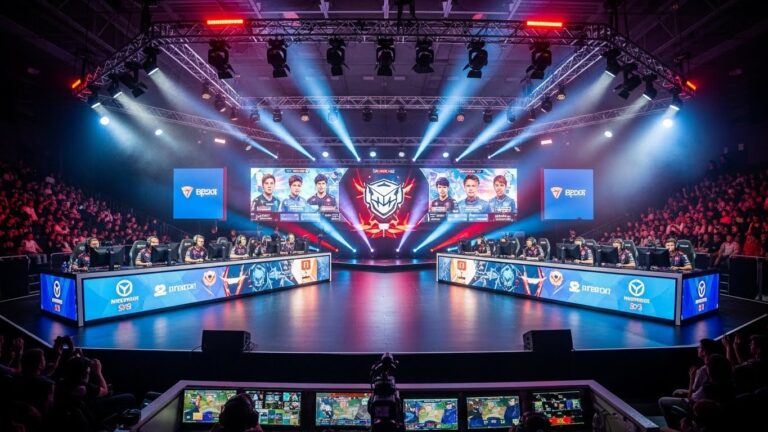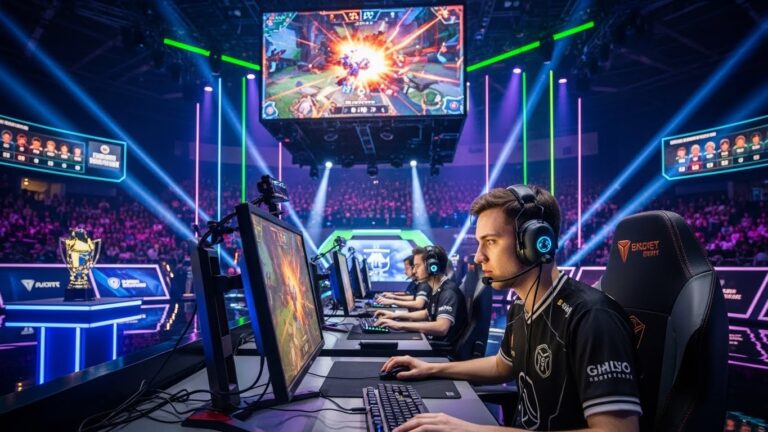
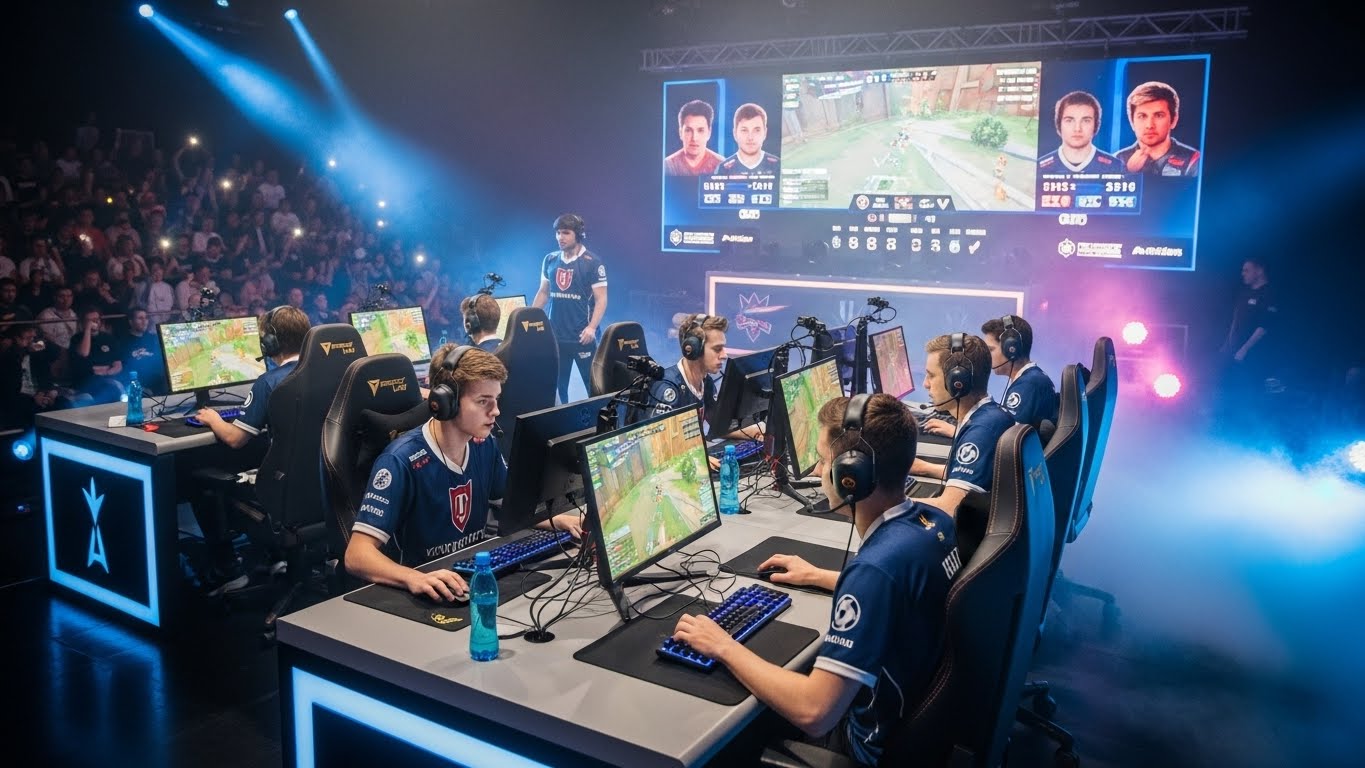
In a world where digital entertainment continues to dominate our daily lives, one sector has managed to break the boundaries of traditional gaming and make its mark on the global stage—esports. What started as small competitions among local gaming enthusiasts has transformed into a billion-dollar industry that rivals traditional sports in terms of viewership, sponsorship, and professional recognition. Esports has evolved from being a hobby into a full-fledged career path for players, coaches, analysts, and even streamers, creating a new cultural phenomenon that is here to stay. But how did esports get to this point, and what does its future look like? This blog post explores the rise of esports, its impact on gaming culture, the business behind it, and what lies ahead for the industry.
What Exactly is Esports?
At its core, esports is the world of competitive video gaming, where professional players compete in multiplayer video game tournaments, often with large audiences watching. Esports can span a wide array of genres, from first-person shooters (FPS) like Counter-Strike: Global Offensive to multiplayer online battle arena (MOBA) games like League of Legends, or real-time strategy games like StarCraft. The games played in esports competitions require a high level of skill, quick reflexes, strategic thinking, and exceptional teamwork.
Esports events are often broadcast live on platforms like Twitch, YouTube Gaming, and Facebook Gaming, where millions of viewers watch the action unfold in real time. Some tournaments, like The International for Dota 2 or the League of Legends World Championship, have prize pools that stretch into the millions of dollars, making esports not just a pastime, but a professional career for many players.
What sets esports apart from casual gaming is the level of competition and organization. Unlike casual gaming, where individuals may play for fun, esports is structured with professional leagues, strict rules, sponsors, and an intense competitive atmosphere that mirrors the structure of traditional sports like football, basketball, and soccer.
The Growth of Esports: From Niche Hobby to Global Industry
Esports has seen explosive growth in recent years, but its roots trace back to the early 2000s when competitive gaming was more of a niche activity. The early days of esports were driven by the passion of gamers who gathered in LAN (Local Area Network) cafes or participated in online tournaments hosted by platforms like Battle.net or GameSpy. However, it wasn’t until the mid-2000s that esports began to gain real traction, especially with the release of popular games like Warcraft III and Counter-Strike, which laid the foundation for competitive play.
In 2010, the introduction of platforms like Twitch, which allowed gamers to stream their gameplay live to a global audience, was a pivotal moment in the evolution of esports. The platform’s rapid rise allowed players, teams, and fans to connect in real-time, growing the esports ecosystem exponentially. Esports began to transition from being a grassroots community to a commercialized, multi-billion-dollar industry.
Fast forward to today, and esports has become a global powerhouse. Major gaming franchises have built their own professional leagues, such as Overwatch League and the Call of Duty League, offering millions of dollars in prize money and salaries. Tournaments like The International, League of Legends World Championship, and Fortnite World Cup draw in millions of viewers—often outpacing traditional sports broadcasts.
The growth of esports can also be attributed to the mainstream acceptance of gaming culture. No longer considered a niche or ‘geeky’ pursuit, gaming has evolved into a widely recognized and celebrated form of entertainment, much like music or movies. With this cultural shift, esports has been embraced by advertisers, investors, and even traditional sports organizations, all of whom are eager to tap into the rapidly expanding audience of esports fans.
The Esports Ecosystem: Teams, Players, and Tournaments
One of the defining characteristics of esports is the structured environment in which competitions take place. Just as in traditional sports, esports operates on multiple levels, from individual players and teams to organizations, leagues, and tournament organizers. To understand how esports operates, it’s important to break down its key components.
Teams and Players
Esports has professional players and teams much like any other sport. These players are highly skilled individuals who dedicate countless hours to practicing and mastering their craft. While some players start young, the career span of a professional esports player is typically much shorter than that of traditional athletes due to the intense mental and physical demands of competitive gaming.
Players typically sign contracts with esports organizations, who sponsor them and provide coaching, training facilities, and other resources. These organizations operate much like traditional sports teams, managing everything from sponsorships and marketing to player contracts and event participation. Major esports organizations like Team Liquid, Cloud9, and FaZe Clan have global followings and operate in multiple games across different competitive titles.
Tournaments and Leagues
Esports tournaments and leagues are the lifeblood of the industry. They not only showcase the skills of the top players and teams but also draw in millions of viewers. Tournaments are held throughout the year and culminate in massive global events, such as The International, League of Legends World Championship, or the ESL Pro League. These events feature intense competition, with the best players and teams in the world battling it out for significant cash prizes and prestige.
In addition to these large-scale tournaments, there are also regular league competitions. Games like League of Legends and Overwatch have established professional leagues with scheduled seasons, much like the NBA or NFL. These leagues offer teams a platform to compete over the course of several months, with playoffs determining the champions at the end of the season.
The prize pools in these tournaments can be staggering. The International 2021, for instance, featured a prize pool of over $40 million, one of the largest in esports history. As the level of competition and viewership increases, so too does the financial backing, with brands and sponsors eager to capitalize on the growing audience.
Broadcasting and Streaming
A major reason behind the rise of esports is its ability to be streamed online, allowing fans from all over the world to watch and engage with live competitions. Twitch, the dominant streaming platform for gaming content, has become the go-to place for esports events. These live streams allow fans to watch their favorite players, chat with others, and even donate money to their favorite streamers.
The interactivity between players and viewers is a unique aspect of esports that sets it apart from traditional sports. Esports broadcasts often feature commentators, analysts, and even live interviews with players, creating a dynamic and engaging viewing experience. With millions of subscribers, esports streaming platforms have become major hubs for both professional competitions and casual content creation.
The Business of Esports: Sponsorships, Media Rights, and Revenue Streams
Esports is more than just a sport—it’s big business. Behind the high-stakes competition lies a complex ecosystem of sponsors, investors, advertisers, and media companies that all contribute to the financial viability of the industry. The growth of esports has created numerous revenue streams, some of which are similar to traditional sports but others are unique to the digital nature of gaming.
Sponsorships and Advertising
Like any major sport, esports teams, players, and events are heavily supported by sponsorships. Gaming hardware companies, energy drink brands, tech firms, and even non-endemic sponsors like Coca-Cola, Mercedes-Benz, and McDonald’s have entered the esports space, eager to reach the lucrative and engaged esports audience.
These sponsorships help fund everything from tournaments and prize pools to player salaries and team travel expenses. Sponsors often place their logos on team uniforms, arena signage, and even in-game, further extending their brand visibility. As esports continues to grow, the value of these sponsorship deals is expected to increase significantly.
Media Rights
As with traditional sports, media rights have become a significant revenue source for esports. Streaming platforms like Twitch and YouTube Gaming have purchased the rights to broadcast esports events, while major media companies have begun to air esports on traditional TV channels. These deals not only generate revenue but also help to bring esports to a broader audience, introducing competitive gaming to viewers who may not be familiar with it.
Merchandise and Licensing
Merchandise sales have become a key component of the esports economy. Fans can buy team jerseys, hats, posters, and other memorabilia, supporting their favorite players and organizations. Additionally, video game publishers and tournament organizers have begun to sell in-game items and skins related to esports, further contributing to revenue streams. These items often have limited availability, making them highly sought after by fans.
The Future of Esports: Opportunities and Challenges
Looking ahead, the future of esports is incredibly promising, but it’s not without its challenges. As the industry continues to grow, it faces several opportunities and hurdles that will shape its direction in the years to come.
Expansion into New Markets
While esports is already a global phenomenon, there are still untapped markets, particularly in regions like Africa, the Middle East, and parts of South America. As access to high-speed internet improves in these regions, esports has the potential to expand further, creating new fanbases and new professional opportunities for players.
Mobile Gaming and Esports
Mobile gaming is another area that offers significant growth potential for esports. Games like PUBG Mobile and Free Fire are already popular esports titles, and as mobile gaming continues to grow, it’s likely that mobile esports will become an even bigger part of the competitive gaming scene.
About the Author