Introduction
In the modern digital era, sport and technology entwine more deeply than ever before. Esports, once an underground niche, has ascended to a cultural phenomenon. The spectacle of competitive gaming transcends age, geography, and traditional boundaries. This blog post takes you through the vast landscape of esports—its rise, its inner workings, the people behind the screens, its challenges, and the road that lies ahead.
The Genesis of Competitive Gaming
Early Competitive Spirit
Decades ago, playing video games was mostly a solitary or local experience. Friends would compare high scores in arcades, challenge each other in local multiplayer, and celebrate small victories. These casual contests planted the seed for what would evolve into something far greater.
The Shift to Organized Play
When home consoles and personal computers began to proliferate, gamers were no longer limited to arcades. With the arrival of networked play, communities began forming across cities, then across continents. Local tournaments sprang up. LAN parties became cultural hubs for gamers to bring together their machines, their skill, and their aspirations.
As games evolved to support competition—through balance mechanics, team play, and spectating tools—organized matches became more common. What started as community-run events gradually gained structure. The early seeds of leagues and prize pools were sown.
Esports in the Modern Age
The Role of Streaming and Accessibility
A pivotal moment for esports arrived with streaming: the ability to broadcast gameplay live to global audiences. Suddenly, players could share their triumphs and tactics in real time, while fans anywhere could tune in. This democratization of viewing transformed esports from a niche activity into entertainment for millions.
Streaming platforms offered chat interactivity, real-time feedback, and viewer engagement that traditional broadcasting rarely matched. The ability to watch, comment, and connect strengthened fan communities and brought players into the spotlight.
Professionalization and Infrastructure
With viewership came monetization. Teams became formal organizations, hiring managers, coaches, analysts, and support staff. Investors recognized the potential of competitive gaming and began funding teams, events, infrastructure, and hardware. Sponsorship and merchandise became important revenue streams.
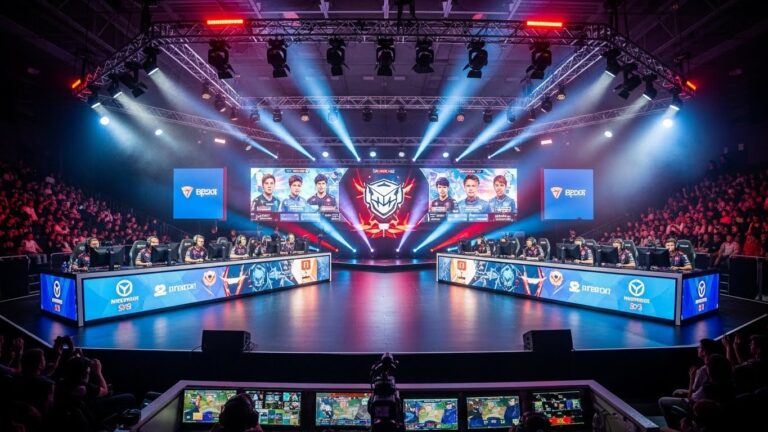
Tournaments scaled up. Instead of small local venues, events began to occupy large arenas, accompanied by production crews, lighting, stage design, and big screens that mirrored traditional sports setups. Crowds would cheer. Spectatorship turned from virtual into immersive, physical experience.
The Esports Ecosystem
Players and Teams
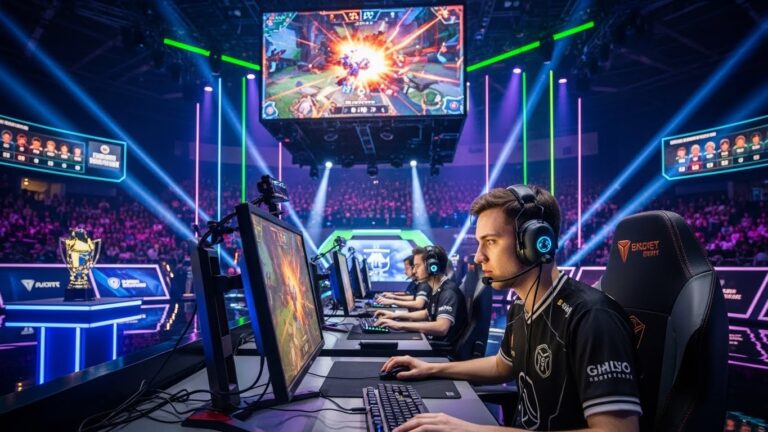
At the heart of esports are the players. These individuals commit immense time and effort to master their chosen games. Many train for hours each day, honing reflexes, game sense, and teamwork.
Teams provide structure—role assignments, training routines, coaching, and performance management. Team synergy is essential; strong individual skill matters less if coordination fails. As with traditional sports, players may be traded, benched, or released based on performance.
Organizers, Leagues, and Tournaments
Organizations design the competitive framework. Some tournaments accept open entries, others rely on invitation or league qualification. The calendar may include regionals, international events, and seasonal championships.
Leagues often adopt structures akin to traditional sports: regular seasons, play‑ins, playoffs, and world finals. These ongoing circuits keep fans engaged and sponsors invested.
Sponsors, Brands, and Monetization
The commercial potential of esports attracts brands eager to connect with digital natives. Hardware brands, energy drinks, fashion labels, tech firms, and more sponsor teams, tournaments, and players. These partnerships may include endorsements, branded content, and product integrations.
Revenue also comes from merchandise—jerseys, accessories, team gear—and from media rights or broadcast licensing. Top events sell tickets, offer VIP experiences, and develop ancillary entertainment around matches.
Content Platforms and Media
Broadcasting, commentary, highlight reels, and community content drive the narrative. Commentators enhance the drama, analysts break down gameplay, and features tell stories about players or teams. Behind every match is preparation to produce a compelling viewer experience.
Media outlets cover esports news, interviews, meta changes, player transfers, and performance analysis. This ecosystem of content keeps fans engaged even between matches.
Fans and Community Participation
The community is the lifeblood of esports. Fans watch matches, stream alongside players, debate strategies, create art and memes, and engage in social discourse. Smaller creators produce tutorials, fan videos, podcasts, or blogs. This content amplifies passion and grows ecosystems in regions less represented by major leagues.
Popular Esports Genres
Multiplayer Online Battle Arena (MOBA)
In titles like League of Legends or Dota 2, two teams compete to destroy the opponent’s base. Each player selects a hero or champion with unique skills. Teamplay, objective control, item builds, and macro decision-making define success.
MOBAs are deep, strategic, and often the destination for many aspiring pros. Their tournaments draw huge prize pools and viewership.
First‑Person Shooters (FPS)
FPS games emphasize aim, positioning, reflexes, and map control. Titles such as Counter‑Strike, Valorant, or Rainbow Six apply team strategies and individual mechanical brilliance. Communication and coordination are crucial; a single misstep can cost rounds.
Battle Royale
Games like Fortnite, Apex Legends, or PUBG drop many players or teams into a battlefield where survival is the goal. These games combine shooter mechanics with resource management, positioning, and decision-making in uncertain environments. The tension of shrinking safe zones amplifies excitement.
Real‑Time Strategy (RTS)
RTS games like StarCraft demand multitasking across economy, production, expansion, and combat. They test speed, macro/micro balance, and strategic adaptation. Though their viewership is lower than MOBAs or FPS today, RTS remains beloved by purist strategists.
Fighting Games and Simulations
Fighting games (Street Fighter, Tekken, Smash) focus on direct combat, combos, frame awareness, and matchups. Simulations (FIFA, NBA2K) allow players to live competitive versions of real sports. These genres occupy passionate niches with intense communities.
Preparing to Compete
Training and Practice
Elite players engage in structured training regimens. They practice mechanics, communication, strategy, and teamwork. They often scrim other teams, review replay footage, and iterate on mistakes.
Practice includes warm‑ups, drills, solo work, team scrims, and cooldowns. Discipline, consistency, and incremental improvement matter.
Coaching and Analysis
Coaches guide in-game decision-making, team dynamics, mental approach, and performance reviews. Analysts study opponent tendencies, meta trends, and data to craft strategic recommendations.
Health, Wellbeing, and Balance
Top organizations now acknowledge the importance of physical and mental health. Players may receive fitness training, physiotherapy, mental coaching, and rest protocols. Avoiding burnout and injury (e.g. repetitive strain) is critical for longevity.
Sleep, nutrition, mental resilience, and time off are essential. Some teams limit hours or include off days in schedules.
Adaptability and Meta Awareness
Games frequently receive patches and updates that shift balance or mechanics. Successful teams adapt quickly, innovate around the new meta, or sometimes even redefine it. Stagnation is a liability.
Challenges in the Esports Landscape
Sustainability of Smaller Organizations
While top teams flourish, many mid‑ and lower-tier organizations struggle to maintain finances. Sponsorship deals and revenue can be unpredictable. Without stable income, teams may fold or depend heavily on investor support.
Player Burnout and Turnover
Psychological pressure, long hours, and public scrutiny can lead to burnout, mental fatigue, or quitting. High turnover is common, and managing longevity is a persistent challenge.
Ethical Issues and Competitive Integrity
Cheating, hacking, boost‑selling, match-fixing, or account manipulation threaten fairness. Organizers and developers must enforce anti‑cheat systems, integrity protocols, and transparent rules to maintain trust.
Diversity, Inclusion, and Barriers
Esports has struggled with representation—gender diversity, regional inclusion, socioeconomic barriers. Access to high-end hardware, stable internet, and time to practice are privileges many do not share. Cultivating inclusive communities and lowering entry barriers are necessary for growth.
Regulatory and Licensing Complexity
Game developers retain the rights to their titles, meaning leagues and organizers must negotiate permissions, broadcasting rights, and monetization terms. Conflicts may arise over control, contract terms, or image rights.
The Impact of Esports
Cultural Influence
Esports has become a cultural force among younger generations. It influences fashion, music, social media, creative content, and lifestyle. Gaming events now rival traditional concerts or sports in spectacle and fandom.
Technological Advancement
Esports demands low latency, high-quality streaming, real-time analytics, and network infrastructure. These technical challenges drive innovation in networking, compression, cloud gaming, and spectator technology.
Economic Opportunities
The industry supports many jobs—players, coaches, event staff, content creators, production crews, marketing, hardware/design, and more. It also stimulates local economies when tournaments draw tourism and venue revenue.
Educational Integration
Schools and universities now offer esports programs, scholarships, and academic courses in game studies, production, marketing, and performance. The competitive environment provides transferable skills: teamwork, communication, analysis, resilience.
Esports Around the World
Asia and the East
Countries like South Korea, China, and Southeast Asia are esports powerhouses. Broad support, mature infrastructure, and fan culture are deeply established. In some regions, elite players become celebrities, and professional leagues carry prestige.
North America and Europe
These regions adopt more commercial, franchised league models. Media, streaming, and brand partnerships flourish. Many players from around the world join teams based in these territories. Regional leagues often serve as stepping stones to global competition.
Emerging Regions
Latin America, Africa, South Asia, and the Middle East show accelerated growth. Local tournaments, grassroots organizations, and online platforms help develop regional talent. Infrastructure challenges remain, but the passion and potential are strong.
Looking Ahead: The Future of Esports
New Technologies and Immersive Experiences
Virtual reality, augmented reality, and mixed reality may transform how players compete and spectators watch. Imagine stepping into a battleground or observing matches via immersive environments. Cloud gaming and edge computing reduce hardware constraints and expand access.
Crossovers and Hybrids
The lines between esports, entertainment, and traditional sports may blur further. Expect collaborations, crossover events, or hybrid leagues. Celebrity appearances, music tie-ins, or theatrical productions may accompany major finals.
Expanded Monetization and Business Models
Innovation in revenue will be vital. Subscription models, fractional ownership, fan tokens, microtransactions in fan experiences, and immersive spectator features may drive future growth. Sustainability will depend on equitable models that support grassroots levels as well as elite teams.
Institutional Adoption and Legitimacy
More educational institutions may adopt esports programs. Governments might recognize esports in culture and sports policy. Broader acceptance in mainstream media and traditional sports circles could further validate esports as a “real sport.”
Diversity and Accessibility
Breaking barriers to entry will be essential. Efforts to support women, underrepresented groups, remote regions, and accessibility for persons with disabilities can broaden participation. Organizations focusing on inclusion will strengthen global reach and impact.
Conclusion
Esports stands at a remarkable intersection of competition, technology, culture, and business. From modest beginnings in local arcades to grand international stadiums, it has carved out a distinct domain in modern entertainment. The ecosystem is rich, with players, teams, organizers, sponsors, and fans each playing a role in the narrative.
Still, challenges persist—financial sustainability, inclusivity, player welfare, and regulatory complexity. How the industry addresses these will shape its long‑term trajectory. With technological innovation, new business models, and broader acceptance, esports has the potential not just to persist but to evolve into one of the defining forms of global entertainment in the decades ahead.
About the Author