The Early Days of Competitive Gaming
The origins of eSports trace back to a time when video gaming was purely a hobby, enjoyed in living rooms and arcades. In the late 1970s and early 1980s, gaming competitions began to emerge, though they were small-scale events. The Space Invaders Championship of 1980 is often cited as one of the first organized gaming tournaments, attracting thousands of players seeking to prove their skill. These early competitions were modest in scale but revealed the potential of gaming as a form of structured competition. The sense of achievement, rivalry, and entertainment that arose from these events laid the foundation for the professional eSports industry we see today.
As gaming technology advanced, so did the opportunities for competitive play. The 1990s introduced multiplayer PC games like StarCraft, Warcraft, and Counter-Strike, which allowed players from different regions to compete against each other. The rise of the internet enabled real-time global competitions, marking the beginning of eSports as a serious pursuit rather than a casual pastime. Early tournaments offered small cash prizes and recognition within the gaming community, but they ignited a passion that would drive eSports toward professionalism.
Transition to Professional eSports
The shift from hobbyist competitions to professional eSports occurred in the early 2000s, particularly in South Korea, where gaming gained mainstream acceptance. South Korea pioneered the professional eSports ecosystem, with televised StarCraft matches, professional teams, and sponsorship deals. StarCraft players became national celebrities, demonstrating that gaming could be a legitimate career.
Other regions soon followed. Europe, North America, and Southeast Asia began hosting structured leagues and tournaments for popular games, with teams forming and competing at a professional level. Titles like League of Legends, Dota 2, and Counter-Strike defined the competitive scene, fostering specialized strategies, team coordination, and global fan bases. Professionalization also brought stability, as players received salaries, contracts, and sponsorships, transforming gaming into a viable long-term career path.
The Role of Spectatorship in eSports
One of the key differences between eSports and traditional gaming is the emphasis on spectatorship. Platforms like Twitch, YouTube Gaming, and other streaming services have revolutionized the way fans engage with eSports. Millions of viewers can watch live competitions from anywhere in the world, interacting with others in real-time and building communities around their favorite games and players.
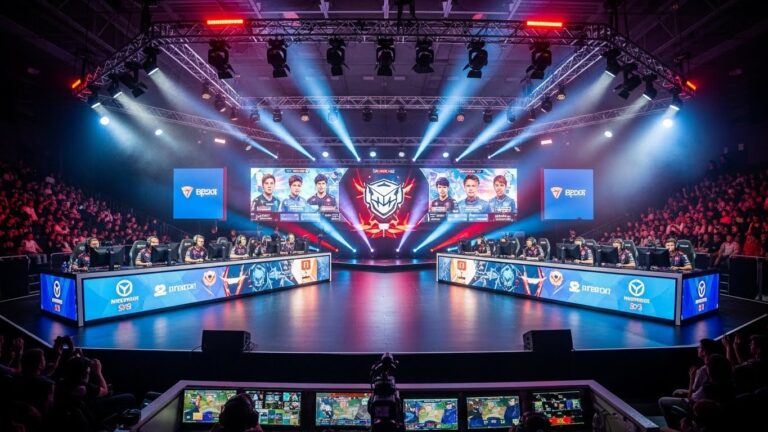
Large-scale tournaments have grown into full-fledged entertainment events. Stadiums fill with fans, enormous LED screens display live gameplay, and commentators narrate every strategic move. Events like the League of Legends World Championship and The International for Dota 2 attract global attention, with prize pools reaching millions of dollars. The shared experience of watching and cheering creates a sense of community and excitement that is unparalleled in digital entertainment.
Economic Growth and Business Models
The eSports industry has grown into a multi-billion-dollar market, encompassing sponsorships, advertising, merchandise, ticket sales, and media rights. Corporations recognize the value of reaching digitally savvy audiences, who are highly engaged online. Unlike traditional sports fans, eSports audiences are interactive, giving brands unique marketing opportunities.
Professional organizations such as Team Liquid, Fnatic, and Cloud9 manage multiple game rosters, handle sponsorships, and produce content for fans. Game publishers like Riot Games, Valve, and Blizzard play an essential role by regulating tournaments, maintaining game ecosystems, and supporting league operations. Streaming platforms also allow players to monetize content directly, blending the roles of athlete, entertainer, and influencer. This complex ecosystem has made eSports a viable career for thousands worldwide, while continuing to attract investment and sponsorship.
Training and Discipline of Professional Players
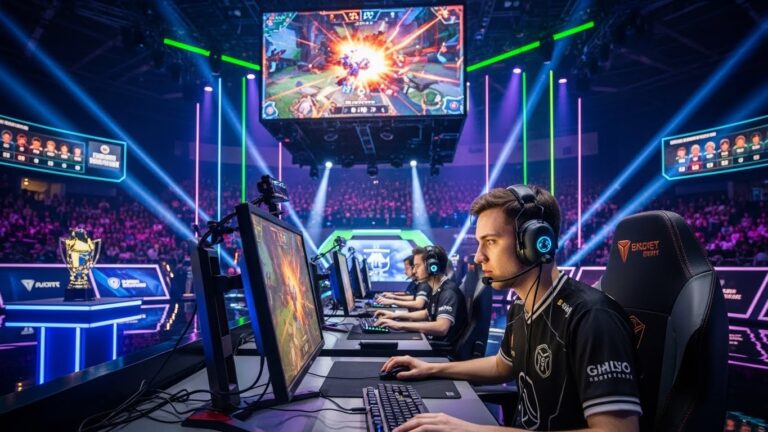
Professional eSports athletes undergo rigorous training regimes. Daily schedules often exceed ten hours, including individual practice, team scrimmages, strategy development, and performance analysis. Mental resilience is critical, as matches demand split-second decisions under high pressure. A single mistake can determine the outcome of an entire tournament.
Teams now employ coaches, analysts, physical trainers, and sports psychologists to support their players. Proper exercise, nutrition, and rest are emphasized to maintain cognitive performance. Specialized training facilities equipped with ergonomic setups and recovery zones reflect the growing recognition that eSports is as demanding as traditional sports. The discipline required in professional gaming challenges the stereotype that video gaming is purely recreational.
Cultural Influence and Mainstream Recognition
eSports has become a major cultural force, influencing music, fashion, and entertainment. Artists perform at tournaments, fashion brands collaborate with teams, and gaming aesthetics are increasingly incorporated into mainstream media. The lifestyle associated with eSports—creativity, digital connectivity, and competition—has shaped how younger generations express themselves.
Educational institutions have embraced eSports as well. Universities offer scholarships and degree programs in eSports management, game design, and digital marketing. Schools promote gaming clubs to teach teamwork, problem-solving, and strategic thinking. In countries like South Korea, eSports players are officially recognized and receive support similar to traditional athletes. Globally, eSports bridges cultures, allowing players and fans from different backgrounds to connect through shared experiences.
Psychological Demands and Mental Resilience
The psychological demands of eSports are intense. Players must remain focused under extreme pressure, adapt to evolving strategies, and manage the emotional highs and lows of competition. Mental endurance is a core requirement for success.
Sports psychologists are increasingly part of professional teams, providing guidance on focus, stress management, and emotional regulation. Burnout is a significant concern, as continuous practice and competition can take a toll on mental health. Supporting the well-being of players is now a priority for organizations, reflecting the professionalization and long-term sustainability of the industry.
Challenges in the eSports Industry
Despite tremendous growth, eSports faces challenges. The lack of centralized governance leads to inconsistencies in rules, contracts, and player protections. Issues such as cheating, match-fixing, and online harassment threaten the integrity of competitions.
Player longevity is another concern. Many professional gamers retire in their early twenties due to mental and physical strain. Developing healthcare support, balanced workloads, and post-career opportunities is essential for long-term industry health. Accessibility is also an issue, as high-performance gaming equipment can be expensive, limiting opportunities for talented players from lower-income regions.
Technology as the Backbone of eSports
Technology underpins eSports at every level. High-speed internet, advanced hardware, and sophisticated software enable seamless gameplay and live streaming. Artificial intelligence is increasingly used for performance analytics, training simulations, and strategy development. AI-driven systems allow players to practice specific scenarios repeatedly, enhancing decision-making skills under pressure.
Emerging technologies such as virtual reality and augmented reality may redefine the eSports experience. Immersive competitions that blend physical and digital worlds could attract new audiences and create novel gameplay experiences. Mobile gaming is also democratizing eSports, particularly in regions where PCs or consoles are less accessible, opening the door for millions of new competitors.
Regional Leagues and Grassroots Development
While global tournaments dominate headlines, local and regional leagues form the foundation of eSports growth. They nurture talent, build communities, and provide pathways to professional play. Governments and private organizations are investing in arenas, training facilities, and coaching programs, recognizing eSports as both an economic and cultural asset.
Regional competitions also produce national icons, creating pride and inspiring aspiring players. This ecosystem ensures a constant flow of talent to the global stage while maintaining fan engagement and community loyalty.
Community Engagement and Fan Culture
eSports fans are deeply engaged and actively participate in the culture. Online communities form around games, teams, and personalities, contributing content such as art, commentary, and analysis. Fans connect globally, sharing insights, celebrating achievements, and creating narratives that enhance the excitement of competitions.
Storytelling is central to eSports fandom. Rivalries, underdog victories, and comeback stories capture attention and emotional investment. Fans are not just spectators; they are co-creators of the culture, shaping how games are experienced and remembered.
The Future of eSports
The future of eSports is bright and expansive. Technological advancements will continue to enhance gameplay, training, and viewing experiences. Hybrid competitions combining physical and digital elements may emerge, pushing the boundaries of competition. Educational programs and government recognition will further institutionalize eSports, making it a sustainable career path for aspiring players.
Sustainability, inclusivity, and player welfare will be critical for long-term growth. Ethical regulations, healthcare support, and equitable access to resources will ensure a fair and thriving ecosystem. As eSports continues to mature, the possibility of inclusion in global sporting events, such as the Olympics, becomes increasingly realistic.
Conclusion: Redefining Competition in the Digital Age
eSports is more than a pastime; it is a global cultural and economic movement that redefines competition in the digital era. From humble arcade beginnings to international tournaments, it has grown into an industry that demands skill, strategy, and mental resilience.
It challenges traditional notions of sport, offering opportunities to individuals worldwide regardless of gender, geography, or physical ability. eSports fosters community, creativity, and innovation while providing a sustainable career path for players and creators alike. As technology and culture continue to evolve, eSports will remain at the forefront of modern entertainment, inspiring millions to compete, collaborate, and connect in ways that were once unimaginable. The digital arena is not just a stage for games; it is a platform where talent, passion, and determination converge, shaping the future of competitive human achievement.
About the Author